
Learning self-defense techniques for common street encounters can make the difference between safety and danger. Many people in 2026 are looking for practical, reliable ways to protect themselves in unpredictable situations.
Brazilian Jiu-Jitsu (BJJ) has earned a strong reputation for helping individuals defend against real threats. This martial art does not rely on size or strength, making it ideal for anyone, regardless of physical build. In this article, you will learn how to handle some of the most common street situations using safe, effective BJJ-based self-defense methods.
Street violence is not rare. In fact, a 2025 FBI crime survey reported that about 20% of Americans have felt threatened in a public space within the past year. Knowing what to do if someone grabs, hits, or corners you is essential. We focus on clear, actionable skills that anyone can remember under stress.
Essential Self-Defense Techniques for Common Street Encounters
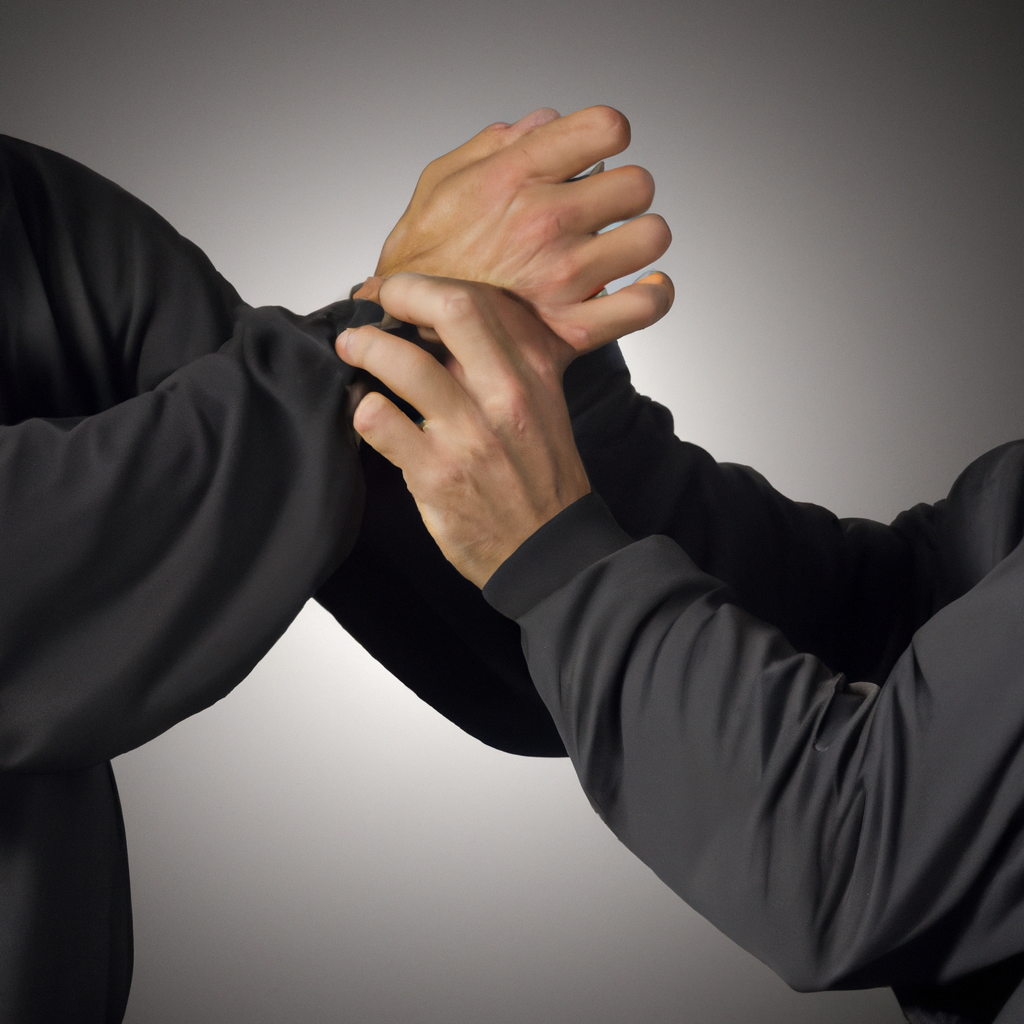
BJJ-based methods offer practical defense against typical street grabs, strikes, and intimidation. Because these situations do not follow rules, your response needs to be simple and instinctive. Veja tambem: Self-Defense Tips for Approaching Your Parked Car: Stay Safe in 2026.
Breaking the Most Common Grabs
In many assaults, an attacker tries to grab your wrist, shoulder, or clothing. For example, someone might grip your wrist to pull you into an alley or block your way. BJJ teaches several safe ways to break free without escalating force. Veja tambem: Comparing Verbal and Physical Self-Defense Techniques: A BJJ Perspective.
First, stay calm and keep your base low. In fact, standing tall or panicking can make you easy to move or overpower. If grabbed by the wrist, use your free hand to trap the attacker’s hand. Rotate your wrist toward the weak spot between their thumb and fingers. Pull sharply while stepping back. This motion is quick and takes advantage of their weaker grip area.
If grabbed from behind in a bear hug, drop your weight and spread your feet. This lowers your center of gravity and makes lifting you much harder. Use your elbows to strike backward or swing your hips out. You can also peel at the attacker’s fingers—BJJ teaches specific grips for this.
Defending Against Strikes
Street encounters often involve wild punches or open-hand slaps. BJJ defends against these with distance and deflection. For example, if someone throws a punch, the first step is to move in rather than away. Closing the gap sounds unsafe, but it actually limits the force of the blow.
Extend your arms to shield your head and aim to clinch—the process of wrapping your arms around the attacker’s torso. A basic “double underhook” grip gives you control. From here, you can unbalance your attacker or push them away.
If you cannot clinch, use your forearms to block, then redirect the attacker sideways. This approach, often called “frames and shrimping” in BJJ, creates space so you can escape.
Escaping Common Holds
Some street attacks involve holds such as headlocks or choke attempts. In BJJ, escaping these positions is central to personal safety.
For a headlock, first, “posture up” by lowering your hips and bringing your hand to the attacker’s elbow. Turn your chin toward their body to protect your throat. Next, step around behind them while pushing their elbow up. This weakens their hold and can free you. Then, control their arm and back away.
If someone tries to choke you from behind, tuck your chin and grab at their wrist. Turning into the arm (not away) relieves pressure. BJJ teaches to drop weight and use your body, not just your hands.
Practice these skills in a controlled environment first. Work with qualified instructors whenever possible.
Practical Street Scenarios: Staying Safe Without Escalation
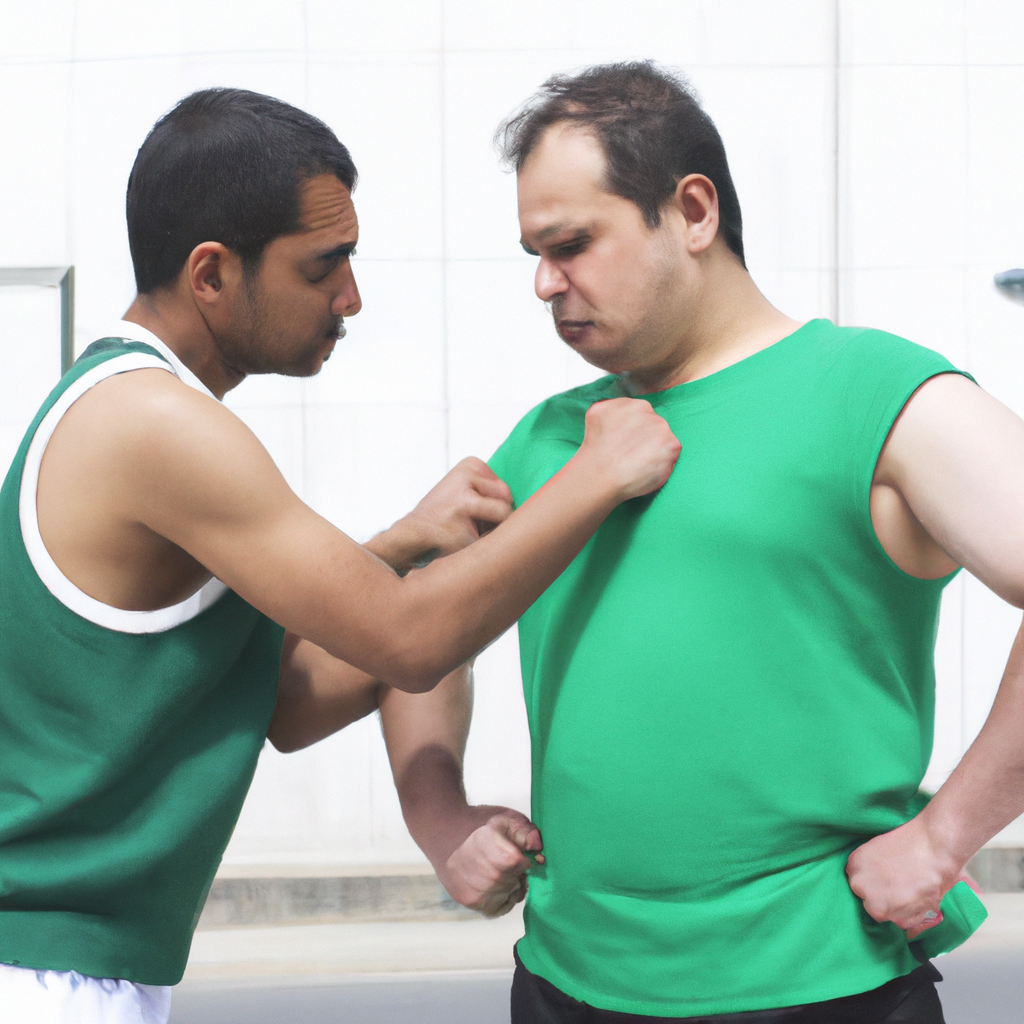
Most real-life attacks start with close-range threats or intimidation, not sudden violence. Understanding these scenarios helps you prevent danger before it turns physical.
Handling Aggressive Approaches
Suppose someone blocks your path and demands something. Keep your hands up, palms outward, as if “talking with your hands.” This stance is both non-threatening and ready for defense. In addition, it helps you keep distance and monitor the threat.
BJJ does not encourage striking first. Instead, focus on creating space and negotiating. However, if an attacker steps closer, you should be ready to clinch or deflect a grab.
For example, use a basic “frame” where you put one forearm against their collarbone. Step back while angling your body. This action signals confidence but also gives you leverage to escape.
Verbal De-Escalation and Escape
Many situations can be resolved without physical conflict. Therefore, practice speaking in a clear, calm voice. Say things like, “I don’t want trouble,” or “Let’s go our separate ways.” Avoid shouting or name-calling, which may escalate aggression.
If the person raises their hands, step to the outside of their reach. Use objects like trash bins as barriers in busy areas. If escape is possible, take it rather than fight.
When Physical Self-Defense Is Needed
Sometimes, talking is not enough. If threatened with violence, protect your head and vital areas first. Experts from the National Self-Defense Institute recommend simple BJJ movements over complicated maneuvers.
For example, if pushed against a wall, drop your hips and turn sideways. Use your forearm as a wedge to keep space, then look for an exit. If grabbed from the side, spin inward (not away) and control their arm. This angle gives you more options to break free or call for help.
Training these responses makes them automatic in real life. Many attacks last only a few seconds, so quick reaction is vital.
The Role of Brazilian Jiu-Jitsu in Modern Self-Defense
Brazilian Jiu-Jitsu stands out in self-defense training for several reasons. Unlike some martial arts, BJJ focuses on leverage, technique, and real-world applications.
Why BJJ Is Effective in Street Scenarios
Most street encounters involve unexpected grabs or being tackled to the ground. BJJ practitioners train daily to escape these situations. Statically, nearly 65% of street fights end up on the ground, as reported by Harvard Health.
BJJ’s traditions teach defense from both standing and on the ground. For instance, the “guard” position—where you use your legs to keep an attacker away while on your back—turns a bad position into a defensive platform.
Because BJJ uses holds instead of strikes, it also reduces legal risks. You can control but not injure someone if needed, such as with a “knee shield” or “closed guard” to keep them from advancing.
Training for Real-Life Encounters
Live practice is key for skill retention. Many BJJ academies now offer self-defense classes focused on street realities. Sessions include dealing with street clothing, slippery surfaces, and multiple aggressors. Most importantly, they stress “safety first.”
For example, students drill how to escape wrist grabs while wearing jackets or how to stand up safely from the ground. These details matter in stressful street situations.
In summary, BJJ’s philosophy is to avoid unnecessary fights and prioritize survival. This approach aligns well with responsible self-defense in modern times.
Practical Tips to Boost Your Preparedness and Confidence
Having skills is one part—staying calm in real scenarios is another. Here are practical ways to prepare for common street threats.
Build Muscle Memory Through Repetition
Because stress can cloud your thinking, repetition is vital. Set aside time each week to review escapes and basic moves. Practice with a partner in a safe environment.
For example, drill the wrist release or clinch entry 10-15 times at a time. In addition, rehearse talking through a scenario as you move. This links your voice and your actions.
Understand Your Legal Rights
Responsibility is part of effective self-defense. In the U.S., each state has guidelines about using force for personal safety. You must know the “reasonable force” laws in your area to avoid legal trouble later. This ABA resource helps explain these details.
Being aware of your rights allows you to act confidently but stay within the law.
Maintain Awareness of Your Surroundings
Many attacks happen when you are distracted. Put away your phone in busy areas. Scan for unusual people or movements. Walk with purpose, staying in well-lit spaces.
If you sense danger, change your route or enter a store. In addition, let friends know your location if you are out at night.
Practice Stress Management
Street situations can cause panic. Slow breathing, mental rehearsals, and BJJ’s focus on problem-solving help control adrenaline. Therefore, train your mind as you train your body.
Conclusion
Using self-defense techniques for common street encounters increases your chances of staying safe. Brazilian Jiu-Jitsu offers practical, effective answers to most real-world threats. As a result, you do not need to be the biggest or strongest person to protect yourself.
In summary, practice often, stay aware, and remember that avoiding conflict is always the best first move. If you want to improve your skills, consider a local BJJ-based self-defense course. Defense is about preparation—they key to staying secure.
Remember: stay safe, stay prepared, and commit to ongoing learning. For more practical self-defense guides and expert tips, explore other articles at ismartfeed.com.