
Using skill improvement tips for tournament prep is crucial for anyone training to compete under IBJJF rules. Preparing for a tournament takes more than just drilling techniques or sparring with teammates. You need a plan that brings together technical knowledge, strategic awareness, and physical readiness.
In this guide, you will learn how to sharpen your skills for high-level competitions while following IBJJF rules and standards. We will also walk you through real examples and statistics from recent tournaments. As a result, you can enter your next event more confident and better prepared.
Understanding IBJJF Rules and Scoring for Effective Skill Development
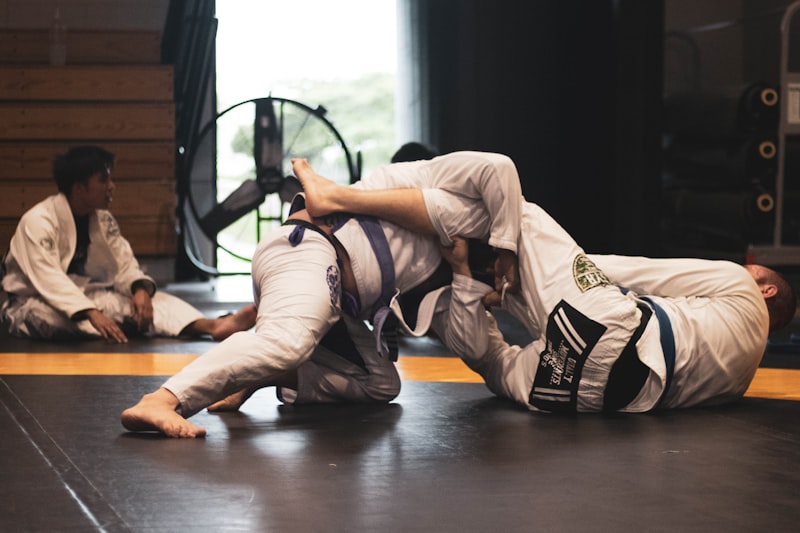
A smart approach to tournament prep always starts with understanding the IBJJF rules and scoring. Without a clear knowledge of how matches are scored, you risk missing points during crucial moments or even giving up advantages to your opponent. Therefore, it’s essential to study the rulebook in detail and watch live matches with scoring breakdowns.
For example, in IBJJF events, points are given for actions like guard passes (3 points), sweeps (2 points), and mount positions (4 points). However, not every movement receives points. An incomplete sweep or passing attempt might only result in an “advantage”—a small edge used as a tie-breaker. Because of this, drilling transitions with particular attention to completion is a must. Veja tambem: Rules Comparison for Various Tournament Types: Detailed Guide 2026.
To build effective tournament skills, practice scenarios with the IBJJF point structure in mind. For instance, set a timer with your teammate and work only on passing and holding side control for the full three seconds. In this way, you develop the habit of not rushing, which minimizes the risk of losing points due to sloppy control.
In addition, penalties and stalling rules affect your game. For example, pulling guard without grip or repeatedly avoiding engagement can lead to warnings and penalties that shift the match’s momentum. By being aware of these details, you can adjust your tactics to avoid risking unnecessary points.
Finally, it’s useful to watch top black belt matches and listen for the referee’s commands. These often signal when someone has scored or is close to receiving an advantage. For detailed rule explanations, the official IBJJF rulebook is a must-read.
Drilling with Purpose: Matching Training to Tournament Criteria
To improve your results, create drills that mimic tournament situations. For example, start rounds from common positions such as closed guard, side control, or turtle. This helps simulate match realities, where a single sweep or escape often makes a difference in scoring.
Moreover, keep a training log to track what scenarios give you trouble. If you consistently lose points during guard retention, focus the next week on that area. In fact, targeted drilling with feedback will result in stronger tournament performance.
Building Strategic Game Plans for Competition
A critical part of skill improvement for tournaments involves building a personalized game plan. In other words, you need to know not only your strengths but also which positions and tactics align with IBJJF rules.
Start by analyzing your most effective takedowns, passes, and submissions. Focus on refining two or three “go-to” techniques from standing and ground positions. As a result, you avoid feeling lost if your favorite move fails.
For example, if your best position is half guard, structure your game plan around entry, control, and transitions from that spot. Train for common counters you may encounter, since competitors at IBJJF tournaments often study each other’s preferences.
In addition, pay attention to tournament pacing. Many matches are decided by small advantages or referee decisions when time runs out. Because of this, practice managing the clock. Spend time sparring in short, focused bursts, such as six-minute rounds—the length of many division matches.
Professional athletes use this approach as well. At the 2025 IBJJF Pan Championships, over 60% of close matches ended with either an advantage win or referee decision, highlighting how essential strategy is compared to chasing submissions at all times.
Finally, work with coaches and teammates to develop backup plans. For example, if you cannot pass someone’s open guard, have a strategy ready for scoring advantages with near passes or threatening submissions.
Physical and Mental Conditioning for Tournament Readiness
While technical drills are vital, top competitors understand that physical conditioning and mental strength are equally important parts of tournament preparation. Good cardio helps you recover between matches, while mental focus lets you handle stress and stay on game plan.
First, incorporate specific conditioning routines. Use sprints, circuit training, and high-intensity intervals to simulate the short bursts of effort in matches. According to a study published in the Journal of Strength and Conditioning Research, competitors with better anaerobic conditioning scored more points in the final minutes of matches, often swinging the result in close fights.
In addition, train grip strength, core stability, and explosiveness, as these directly impact your ability to maintain positions and defend against sweeps or passes. Simple tools like pull-up bars, medicine balls, and resistance bands are effective for BJJ athletes.
Mental conditioning is just as crucial. Visualization, controlled breathing exercises, and positive self-talk help control pre-match nerves. For example, take five minutes each day to imagine yourself scoring points and escaping tough spots in a match. Studies have found that athletes who use these tools are 30% less likely to freeze during competition.
Regularly compete in smaller events or in-house mock tournaments to build mental resilience. These simulate pressure and help you gain comfort with the tournament setting, which is very different from training at your home academy.
Sparring Strategies and Positional Rounds for Skill Refinement
Smart sparring drills are among the most valuable skill improvement tips for tournament prep. Instead of always rolling “open mat” style, focus on specific scenarios in each round to mimic the demands of IBJJF matches.
For example, try positional sparring starting from guard retention, back control, or mount escapes. Short, high-intensity rounds condition both technique and mindset under match-like stress. Because of this, you will adjust faster during real competition.
Drill points-focused offense and defense. If you often lose on advantages, spend rounds trying to create near-passes or near-submissions while your partner tries to defend. In this way, you learn what actions score and how to maintain control just long enough to secure the necessary points.
Moreover, incorporate “scoreboard sparring.” Assign points for positions or advantages, and practice coming from behind or defending a narrow lead. This method builds your tactical awareness for high-stakes tournament moments when one advantage makes the difference.
Track your performance with real data. Set goals such as “pass guard and secure side control three times this week” or “escape mount in under 15 seconds.” Review video of your rounds if possible, as this makes weak points easy to spot and correct.
Lastly, after sparring, always debrief with your partner or coach. Discuss what worked, what didn’t, and which IBJJF rules applied to the positions you trained. In fact, feedback turns each sparring round into a learning session, accelerating your progress for the next tournament.
Nutrition, Weight Management, and Recovery During Tournament Prep
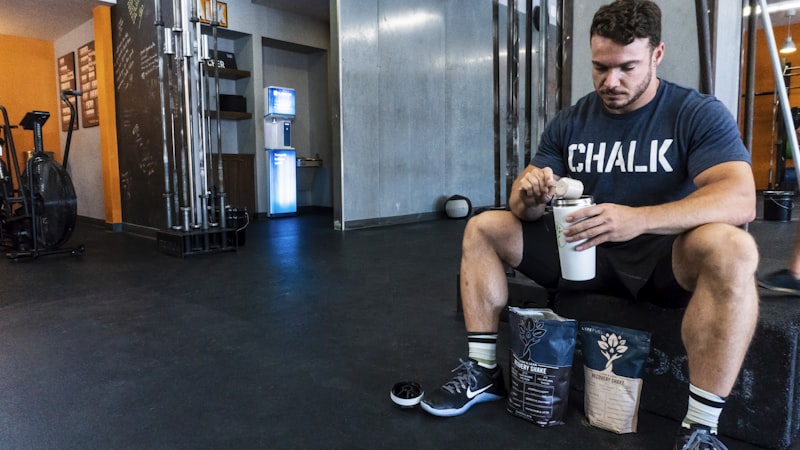
Nutrition and weight management are often overlooked, yet they can mean the difference between winning and losing. Proper planning before a tournament ensures that you cut weight safely and have enough energy for peak performance.
Start by setting a realistic goal for your competition weight. Avoid extreme diets or last-minute dehydration, as these harm both mental and physical performance. Instead, reduce weight slowly over 4-6 weeks by focusing on whole foods, lean protein, and hydration. According to the National Institutes of Health, gradual weight loss of 1-2 pounds per week is ideal for athletes.
In addition, plan meals and snacks around your training schedule. For example, use complex carbohydrates and quality protein after hard training to speed up muscle recovery. Electrolytes are important if you sweat heavily or train in a hot gym, as they replace lost minerals.
Recovery is just as crucial as hard training. Ensure you get at least 7-8 hours of sleep, since sleep helps muscle repair and memory retention. Incorporate stretching, foam rolling, and occasional sports massages as needed. This not only reduces injury risk but also keeps your energy high during the days leading up to a tournament.
Remember, never make drastic changes to nutrition routines right before an event. Test your meal strategy in training so you know exactly how your body will respond. That way, you minimize surprises—and maximize your physical and mental readiness—when tournament day arrives.
Conclusion
Effective skill improvement tips for tournament prep combine technical drilling, match-specific strategy, physical training, and focused nutrition. By understanding and applying IBJJF rules, you will avoid common mistakes and sharpen your edge against the competition.
Set clear goals, practice with purpose, and use the feedback loop created by tracking and video review. Remember, even small changes in approach or preparation can lead to big improvements in your next tournament. Train smart, stay healthy, and approach every match ready to use your full skill set.
For more practical IBJJF competition guides and up-to-date tournament advice, visit ismartfeed.com. Take control of your journey, and give yourself the best chance to win on the mat.