
Strength and conditioning jobs are vital roles that help athletes maximize their performance. In Brazilian Jiu-Jitsu (BJJ), these experts develop programs to boost power, endurance, and skill on the mat. If you are passionate about fitness and martial arts, exploring this career path might be ideal.
This guide focuses on what these jobs involve, current trends in 2026, and how you can break into the field. You will learn about daily duties, common employers, and practical steps to start your journey.
Whether you are a BJJ coach, an athlete, or someone who wants to work in sports science, this article offers clear and relevant insights tailored to your interest in strength programs, conditioning, and cardio for BJJ. Saiba mais sobre Strength and Conditioning Coach:.
What Are Strength and Conditioning Jobs in BJJ?
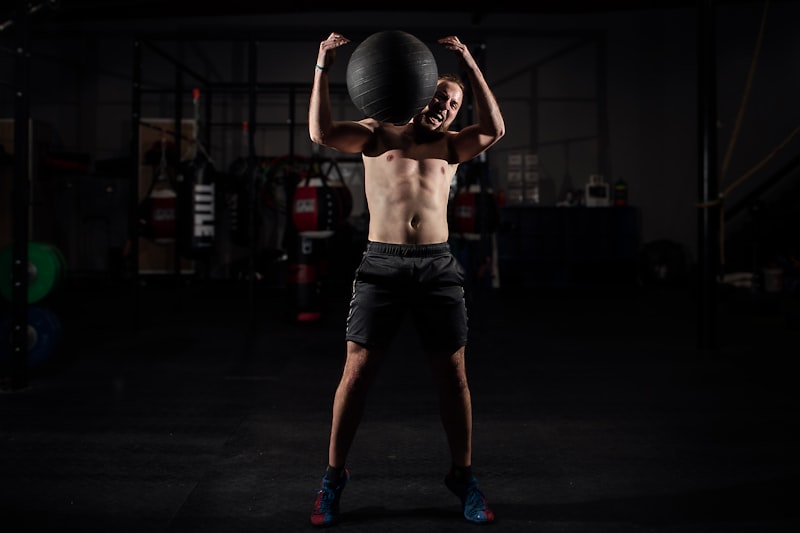
Strength and conditioning jobs in Brazilian Jiu-Jitsu involve creating and overseeing physical training routines. The main goal is to improve performance, prevent injuries, and develop long-term athletic ability. Professionals in this field work closely with fighters to identify their specific needs. Veja tambem: Strength and Conditioning Certification: The Key to BJJ Performance.
For example, a strength and conditioning coach in a BJJ gym may analyze an athlete’s weaknesses and develop custom plans. These routines include strength training, cardio work, and mobility exercises. In addition, these coaches track an athlete’s progress using tests and data. As a result, athletes build more power, reduce their risk of injury, and recover faster. Veja tambem: Strength and Conditioning Coach Jobs: Your Guide to a Rewarding Career.
In 2026, there is a growing demand for specialists with knowledge of martial arts conditioning. The rising popularity of BJJ and MMA drives this trend. More gyms are hiring coaches with expertise in program design, nutrition, and recovery. According to the National Strength and Conditioning Association, strength and conditioning is one of the fastest-growing sports science fields. Veja tambem: Strength and Conditioning Coach Salary: 2026 Guide with Real Data.
Most jobs require a solid understanding of biomechanics, exercise science, and the unique demands of grappling sports. In addition, professionals need strong communication skills. They must explain complex ideas in simple terms and motivate athletes to follow strict routines.
Types of Roles in BJJ Strength and Conditioning
There are several types of roles in this field:
- Personal Strength and Conditioning Coach: Works one-on-one with BJJ practitioners to create and update training programs.
- Team Strength and Conditioning Coach: Designs group sessions for entire squads in clubs or academies.
- Performance Director: Manages the overall athletic program for a BJJ or MMA team.
- Rehabilitation Specialist: Focuses on injury prevention and helping athletes recover through targeted exercise.
- Sport Scientist: Analyzes data and research to optimize athletic routines.
- Program Development: Creating tailored routines that mix strength, cardio, and conditioning.
- Testing and Evaluation: Using tools to track fitness and recovery progress.
- Injury Prevention: Teaching athletes how to warm up, cool down, and avoid overtraining.
- Exercise Instruction: Showing safe and effective techniques for lifts, sprints, and bodyweight work.
- Performance Review: Examining data to adjust programs as needed.
- Adaptability: Adjusting routines based on performance swings or injuries.
- Motivation: Inspiring athletes to keep improving during tough training cycles.
- Time Management: Balancing group classes and personal sessions.
- Nutrition Knowledge: Advising on proper eating for energy and recovery, though this often requires additional certification.
- Gaining experience as an assistant coach or personal trainer
- Earning additional certifications, like the NSCA’s Certified Strength and Conditioning Specialist (CSCS)
- Building a network within BJJ or MMA communities
- Publishing research or sharing training programs online for wider recognition
Each role has distinct duties and may require different certifications or experience. However, all these positions are central to success in modern combat sports.
Key Duties and Skills Required for Success
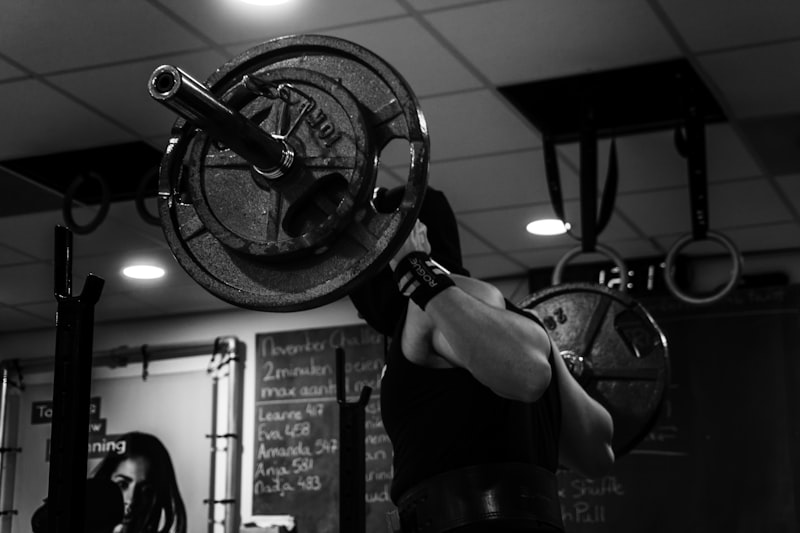
To excel in these jobs, you must master both technical and soft skills. The technical side involves in-depth knowledge of physical training, while the soft skills help build trust with athletes.
Daily duties for most roles include:
Therefore, attention to detail is essential. Small changes can have a big impact on an athlete’s progress and safety.
Communication is equally important. For example, explaining why a certain lift helps with guard retention builds trust and compliance. In fact, research from the Journal of Strength and Conditioning Research shows that clear feedback can boost results by up to 20%.
Other critical skills include:
In summary, roles in this field require a blend of fitness expertise and people skills. The ability to keep up with new research and trends is a strong asset.
Salary Expectations and Career Growth in 2026
In 2026, pay for strength and conditioning jobs varies based on education, location, and employer. However, the salary trend is positive. Most roles offer steady growth and interesting challenges. Saiba mais sobre Strength and Conditioning for.
Entry-level positions in gyms or sports clubs may start at $40,000 to $52,000 per year. Coaches working with high-level BJJ or MMA athletes often earn $55,000-$75,000 annually. Top performance directors or those with advanced certifications can reach $100,000 or more, especially in major cities.
Freelance or contract-based professionals may charge hourly rates between $50 and $150. Their incomes depend on their client base and personal branding.
Career progression typically involves:
Because of the growth in combat sports, demand for skilled coaches remains high in 2026. Many BJJ academies are adding in-house conditioning experts to attract and retain members.
On the other hand, competition for top jobs can be intense. Therefore, continuing education and a record of athlete improvement are vital for long-term career development.
Steps to Break Into Strength and Conditioning for BJJ

Breaking into strength and conditioning for BJJ requires a mix of education, experience, and networking. Here’s a step-by-step approach for 2026:
Step 1: Get Educated
Start by earning a degree in exercise science, sports coaching, or kinesiology. Some coaches begin with certificates in personal training, then build on this foundation. The most respected credential is the NSCA’s CSCS certification, which focuses on advanced training knowledge and practical skills.
In addition, many top BJJ coaches complete seminars that cover nutrition, injury prevention, and mental performance. You can find online courses designed for those who want to specialize in martial arts conditioning.
Step 2: Gain Practical Experience
Offer to help at your local BJJ academy, club, or gym. Assist with warm-ups and cooldowns. Volunteer to design basic routines for new athletes or kids’ classes. This hands-on approach lets you learn what works in real-life situations.
Some strength and conditioning pros start by coaching as a side job, building a client base through referrals. It is important, however, to focus on quality over quantity. Track your athletes’ progress and keep up-to-date notes.
Step 3: Network and Market Yourself
Attend BJJ tournaments and sports conferences in your area. Connect with coaches and athletes who value science-based training. In 2026, social media is a powerful tool. Share tips, case studies, and video tutorials to build your reputation.
Joining professional groups, such as the NSCA or local sports medicine chapters, can help you meet mentors and find job leads.
Step 4: Keep Learning
Stay current with the latest research and trends. Read journals, attend webinars, and test new ideas in your own workouts or with clients. In fact, those who innovate—like adding heart rate variability monitoring or using AI-based progress tracking—often gain an edge in the BJJ market.
In summary, breaking in requires effort and patience. However, the rewards in terms of personal growth and helping athletes make it worthwhile.
Common Challenges and How to Overcome Them
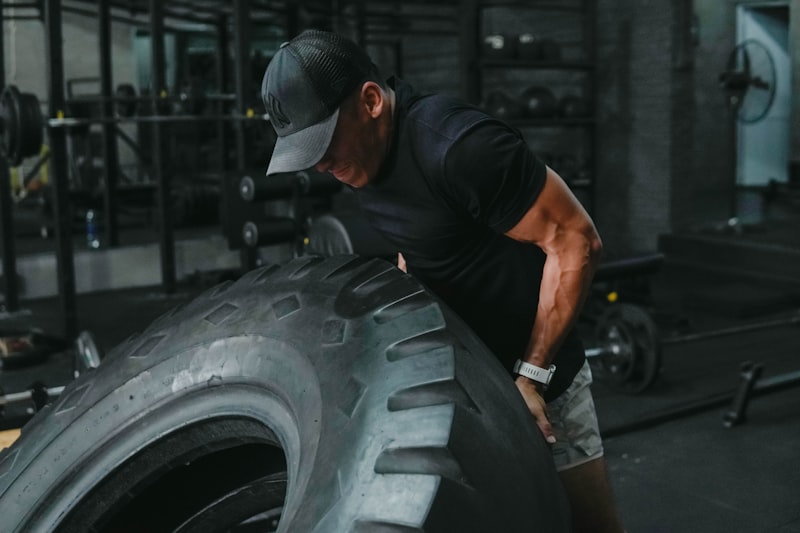
Every career path faces obstacles. Strength and conditioning jobs in BJJ are no exception. Understanding these challenges helps you prepare for success.
One common challenge is convincing athletes to follow new routines. For example, BJJ athletes may avoid heavy lifting, worrying it will slow them down. To overcome this, show research-backed examples of top competitors benefiting from smart strength work.
Time management poses another hurdle. BJJ schedules can be unpredictable. Coaches must blend individualized sessions with group classes and recovery periods. Therefore, planning and flexibility are crucial.
Another issue is staying up-to-date with evolving science. In 2026, new tools such as wearable fitness trackers are widely used. Coaches who ignore these tools risk falling behind. Embrace ongoing learning to maintain relevance.
Lastly, burnout is a real threat. Long hours and emotional investment in client outcomes take a toll. Regular breaks, clear boundaries, and a supportive peer network are key strategies for long-term balance.
For detailed advice, the American College of Sports Medicine provides up-to-date resources for professionals tackling career challenges.
Conclusion
Strength and conditioning jobs offer rewarding career paths for those passionate about BJJ and athletic performance. As the popularity of grappling sports grows in 2026, so does the need for skilled professionals with strong science backgrounds and people skills.
If you are looking to start or advance in this field, invest in education, practical experience, and networking. Take time to learn new trends and adapt to the changing needs of athletes and employers. In summary, with dedication, you can help both yourself and your athletes achieve peak performance on the mats. To learn more, explore official certification programs or reach out to your local BJJ community today.