
Strength and conditioning periodization for beginners is one of the most effective ways to improve athletic performance. It helps organize your training by balancing strength growth and cardio. For Brazilian Jiu-Jitsu (BJJ) athletes, periodization can maximize performance, reduce injury risk, and keep you progressing year-round. Saiba mais sobre Strength and Conditioning Exercises.
Most beginners feel lost when building a workout plan. Many do not know when to add hard sessions, when to take it easier, or how to avoid burnout. Therefore, understanding periodization not only makes training smarter for BJJ but also ensures you keep seeing results. In this article, you will learn how to set up a periodized strength and conditioning plan from scratch, with real examples and practical steps.
What Is Strength and Conditioning Periodization for Beginners?

Strength and conditioning periodization for beginners means dividing your training into specific blocks or phases. Each phase targets different goals—such as building muscle, increasing endurance, or improving power. Beginners benefit from this structure because it creates a clear path from starting the gym to advanced performance.
In other words, periodization uses planned changes in your workout. This prevents doing the same thing every day. Instead, you switch up intensity, volume, and recovery based on your development. For BJJ athletes, this method matches your physical training with competition cycles and recovery needs.
There are three major types of periodization:
- Linear periodization: This is the simplest style. You start with high reps and low weight, then slowly use heavier weights and fewer reps. For example, you may train squats with 3 sets of 15 reps in week 1. By week 8, you reach 3 sets of 6 reps with more weight.
- Undulating periodization: Here, you change sets, reps, or loads more often—sometimes daily. You may do heavy lifting on Monday, moderate on Wednesday, and light on Friday.
- Block periodization: This breaks training into several blocks, each focusing on one goal (like maximum strength or speed).
- Block 1 (Weeks 1-4): Base building—Learn lifts, high reps, moderate weight, basic cardio.
- Block 2 (Weeks 5-8): Strength phase—Increase weights, drop reps slightly, add moderate conditioning.
- Block 3 (Weeks 9-12): Power and conditioning—Add explosive lifts, reduce volume, increase mat-specific conditioning.
- 2 days: Strength (compound lifts)
- 1-2 days: Cardio/conditioning (intervals, circuits)
- Remainder: BJJ technique, rolling, and rest
- Emphasize correct technique and full range of motion.
- Begin with 2–3 sets of 10–15 reps for each movement.
- Add weight or reps slowly, week by week.
- Strength (2x/week): Full-body lifts (bodyweight squats, push-ups, rows, planks). Moderate weight, 12–15 reps, 2–3 sets.
- Conditioning (1x/week): 20–30 min steady-state cardio (bike or jog), plus 1 mat circuit (e.g., 5 min of hip escapes, sprawls, and bridges).
- Deload: In week 4, cut weights in half.
- Strength (2x/week): Full-body lifts (goblet squat, bench press, deadlift, pull-ups). Slightly heavier weight, 8–10 reps.
- Conditioning (1–2x/week): Interval training—1 minute work, 2 minutes rest, 6–8 rounds.
- Deload: In week 8, use 70% of weights and volume.
- Strength (2x/week): Add explosive lifts (e.g., kettlebell swings, jump squats) with low reps (4–6 reps, 3–4 sets).
- Conditioning (1–2x/week): Sport-specific intervals, short intense rounds (3 min “match” circuits with minimal rest).
- Deload: In week 12, rest more and focus on BJJ skills.
- Taper: Reduce gym sessions. Focus energy on mat performance in the last 1–2 weeks before any major comp.
For beginners, linear periodization is easiest to follow. It fits well with BJJ off-seasons or during your skill development phase. On the other hand, more advanced athletes often use undulating or block plans.
Research shows that a periodized approach can improve strength gains by 10–20% in the first year compared to random training see details. In summary, this strategic layering of workouts builds a base and leads to better results with fewer injuries.
Why Is Periodization Critical for BJJ Athletes?
BJJ is physically demanding. Grapplers need strength for control, cardio for pacing, and power for explosive movements. However, training the same way every week can lead to plateaus and overuse injuries. Because of this, periodized plans allow you to peak before competition, recover better, and handle both mat time and gym work.
For example, you could focus on base strength during an “off” season. As tournaments approach, you shift towards more explosive and sports-specific conditioning. This practice means you do not burn out—and you perform at your best when it matters most.
Building a Beginner Periodization Plan for BJJ

Designing a periodized program for a new BJJ athlete does not have to be complicated. In fact, the best plans for beginners are simple and flexible. For those just starting out, your main aim should be learning movements, growing a strength base, and increasing work capacity.
Here’s a practical step-by-step approach:
1. Set Long-Term and Short-Term Goals: Decide what you want in the next 3-6 months. Examples could be, “Increase deadlift by 30 pounds” or “Last 10 rounds of sparring with less fatigue.” Short-term: “Improve push-up endurance in 4 weeks.” Specific goals keep your training focused.
2. Break Your Training Into Mesocycles: Periodization plans are divided into mesocycles (blocks of 4-6 weeks). For example:
3. Organize Weekly Workouts: Use a simple weekly split:
For example, your week may look like: Monday—Full-body lifting Wednesday—BJJ + Conditioning Friday—Full-body lifting Saturday—Active recovery or BJJ
4. Adjust Volume and Intensity: Start with higher reps (12–15) and lower weights in Block 1. By Block 2, drop reps (8–10) and use more weight. Finally, use 4–6 reps with heavier weights and increase rest for power moves in Block 3. Conditioning can also progress from simple steady-state cardio to interval sprints or BJJ-specific circuits.
5. Schedule Deload Weeks: Every 4–6 weeks, reduce workout volume and intensity. Deload weeks help the body recover fully, reduce fatigue, and prevent overuse. For example, cut sets in half or use 60% of your normal weight.
6. Match With BJJ Competition Cycle: Building up physical qualities should support your rolling and competition. Therefore, time intense strength blocks several weeks before important tournaments, with more conditioning or technical focus nearer the event.
This approach meets both the needs of new lifters and BJJ practitioners. In addition, it helps you avoid common mistakes such as doing too much too soon or skipping planned rest.
Key Elements to Include in Your Plan: Strength, Cardio, and Mat Conditioning

For BJJ, periodization does not only mean lifting weights. You must combine three vital elements: strength, conditioning, and sport-specific work. Each block or phase should include these, but you will shift the focus over time.
Strength Training: Beginners should start with big movements (squats, deadlifts, rows, presses). These lifts build the base for all athletic power. Start with bodyweight versions if needed, then progress to free weights. Key points:
Real data shows that focusing on compound lifts leads to greater overall strength for new athletes see reference. In BJJ, improved strength means better grip, more powerful escapes, and greater control on the mat.
Cardiovascular Conditioning: BJJ rounds are intense and unpredictable. Therefore, you must prepare with both steady-state (30–40 minutes of light running or biking) and interval training (short bursts, such as 1 minute hard, 2 minutes easy for 5–8 rounds).
For beginners, start with one easy cardio session each week. Add intervals as your base improves. Over time, blend in more BJJ-style circuits, such as hip escapes and sprawls done in rounds.
Mat-Specific Conditioning: Conditioning should match the energy used on the mat. You can use circuits with exercises like burpees, kettlebell swings, and sprawls. For example, do 5 minutes of non-stop movement—30 seconds per exercise with little rest.
This work mimics BJJ’s need for both short bursts and steady effort. In summary, including all three areas ensures you are building the right qualities over the 12–16-week period.
Common Pitfalls in Periodization for BJJ Beginners and How to Avoid Them

Many BJJ beginners make mistakes when starting periodized training. Being aware of these pitfalls can save you time and effort. In fact, avoiding them often leads to quicker gains and less frustration.
1. Doing Too Much at Once Excitement often causes beginners to train hard every day. However, the body needs time to adapt. Overtraining often leads to fatigue, injury, or burnout. It is better to start with 2–3 full-body lifting days, not six days of hard work. If you are tired before BJJ class, cut back until recovery improves.
2. Ignoring Rest and Recovery Progress comes from balancing hard training and rest. Therefore, include deload weeks every 4–6 weeks as explained earlier. Plan 1–2 rest days each week where you only walk or stretch.
3. Not Tracking Progress Many new BJJ athletes skip tracking workouts. If you do not record weights, reps, or how you feel, it is hard to see progress. Use a notebook or app to log each session. In addition, write notes about soreness, mood, or sleep. Trends over time show when to push or back off.
4. Failing to Plan for Peaking Without periodization, you might be strongest at the wrong time. Peaking means you are at your best for important tournaments or events. Therefore, line up heavy strength blocks to end 2–4 weeks before major BJJ events. Then, focus on lighter, faster lifts and plenty of mat work just before the big day.
5. Neglecting Technique Strength helps on the mat, but BJJ is a skill sport. Never let gym time replace drilling, sparring, and skill learning. Use the gym to support your jiu-jitsu—not the other way around.
A successful plan for BJJ must fit your real schedule and skill needs, not just your lifting goals. For more detail on athlete recovery principles, see this guide.
Sample Strength and Conditioning Periodization Plan for New BJJ Athletes
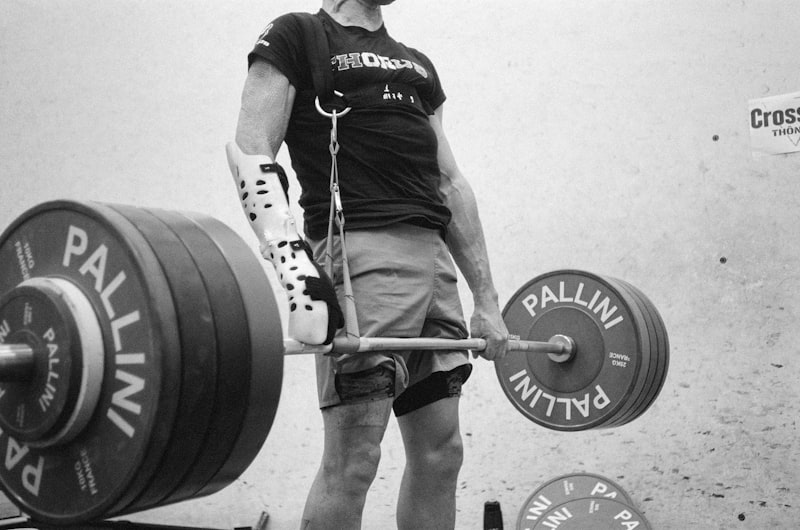
It is helpful to see what a simple beginner periodization plan looks like. Here is a 12-week example designed for someone training BJJ 3–4 days a week and adding strength and conditioning practice.
Weeks 1–4: Base Building
Weeks 5–8: Strength Phase
Weeks 9–12: Power & Competition Prep
Remember, these are templates. Adjust for injuries, BJJ demands, and how your body feels.
Conclusion
Strength and conditioning periodization for beginners gives new BJJ athletes a clear path to progress. Rather than random training, you follow well-timed blocks that build strength, cardio, and sport-specific skills. This approach helps prevent injury and burnout, while ensuring you peak at the right time for competition.
To get started, set clear goals, divide your training into simple phases, and match your plan with your BJJ calendar. Track your workouts and adjust as needed. Focus on technique with your physical gains. If you stick to these principles, you will feel the difference on the mat in just a few months.
Ready to train smarter for BJJ success in 2026? Start building your own periodized plan today, and watch your progress take off!