
Training conditioning is the foundation for building athletic performance, health, and resilience. Whether you are a serious athlete or want to improve daily fitness, this practice helps you move, react, and recover better.
In 2026, training methods have evolved. Science shows new ways to train smarter—not just harder. You need the right strategies to see results and prevent injuries. Therefore, let’s explore conditioning, how it works, and what approaches fit your goals.
This guide covers the essentials for all levels. You’ll see clear examples, real studies, and steps you can use now. Let’s start by understanding what training conditioning really means—and why it matters.
What Is Training Conditioning? Foundations and Core Principles

When we talk about training conditioning, we mean a systematic approach to develop the body’s ability to perform work efficiently. In other words, you train strength, endurance, speed, agility, or other areas with planned methods. This practice blends physical exercise science with focused drills and routines. Veja tambem: Conditioning Training Near Me: How to Find the Best Local Fitness Options.
In fact, every good conditioning program starts with core principles:. Veja tambem: Importance of Rest and Recovery in Training: Why Athletes Need Downtime.
- Progressive Overload: You gradually increase the challenge to force adaptation. For example, you might lift heavier weights or run longer distances over time.
- Specificity: The exercises you choose must match your goal. Runners need different routines than soccer players, for example.
- Recovery: Planned rest and recovery help avoid overtraining and lower injury risk.
- Variation: Changing your workouts keeps your body adapting and prevents plateaus.
- Exercise is any movement done for health or leisure, like a walk or casual bike ride.
- Conditioning is more planned, intense, and progressive. You create a purpose-driven routine for improvement.
- Brisk walking: 30 minutes, 5 days a week
- Cycling or swimming: 3 times a week, moderate pace
- Interval training: alternating fast and slow intervals on a track or treadmill
- 2-3 strength sessions (full body or split routines)
- 2-3 cardio workouts (mix steady and interval styles)
- 1-2 flexibility or yoga sessions
- 1 session with agility or core drills
Conditioning combines both general and sport-specific elements. General conditioning builds basic fitness—like cardiovascular endurance or whole-body strength. Sport-specific work then targets the unique skills or energy systems needed for success in a sport or activity. Veja tambem: Methods of Attack: An In-Depth Guide to Digital Threats 2026.
For example, a basketball player needs short bursts of speed, quick footwork, and strong legs. Therefore, their conditioning includes sprints, plyometric jumps, and strength drills.
In addition, according to the American Council on Exercise, well-structured programs improve performance and reduce injury risk for athletes of all ages.
Finally, you do not need to be a pro to benefit. Everyday people train conditioning for health, stamina, or safer movement at work and home.
How Conditioning Is Different From Regular Exercise
Many people use the terms “conditioning” and “exercise” to mean the same thing. However, there are key differences:
Because of this, training is not just about moving—it’s about intentional progress. This is why tracking your workouts and recovery is so important.
Top Methods and Types: How Training Conditioning Works
Training conditioning includes several main types. Each targets specific physical abilities. Let’s break down the most common types with examples from both sports and everyday wellness.
1. Aerobic Conditioning
Aerobic (or “cardio”) training builds heart and lung strength. It makes activities like running, biking, or team sports feel easier over time. In fact, strong aerobic fitness can lower the risk of heart disease and boost cognitive health.
For example, a solid conditioning routine for beginners might include:
Research from the Centers for Disease Control and Prevention recommends at least 150 minutes of moderate aerobic conditioning per week for adults.
2. Anaerobic Conditioning
Anaerobic conditioning develops quick bursts of power and speed. You work at a high intensity for shorter periods. For example, sprint intervals, hill running, or circuit training with explosive movements all build this ability.
This approach is popular among athletes in sports like soccer, basketball, and martial arts. However, even non-athletes benefit from a few weekly sessions. Quick bursts increase metabolism and improve muscle tone.
3. Strength and Power Conditioning
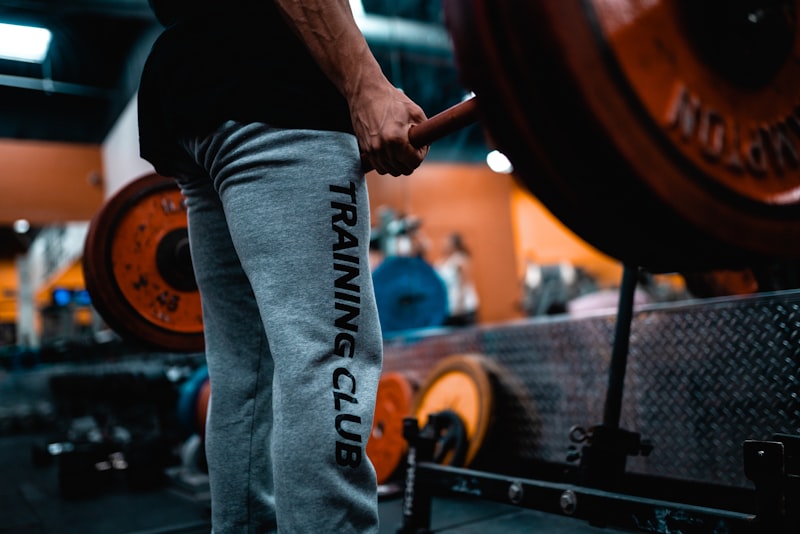
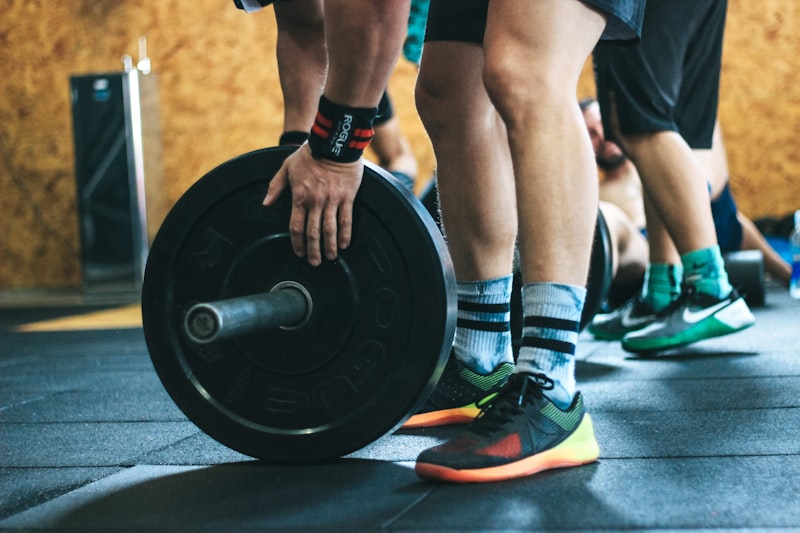
This method uses weights, resistance bands, or bodyweight exercises. You build muscle strength and explosive power. For instance, squats, push-ups, and kettlebell swings target several muscle groups.
It’s important to use proper form and start with lighter loads. As you gain skill and stability, increase resistance slowly. As a result, you’ll see muscle growth, better posture, and less risk of common injuries.
4. Flexibility and Mobility Conditioning
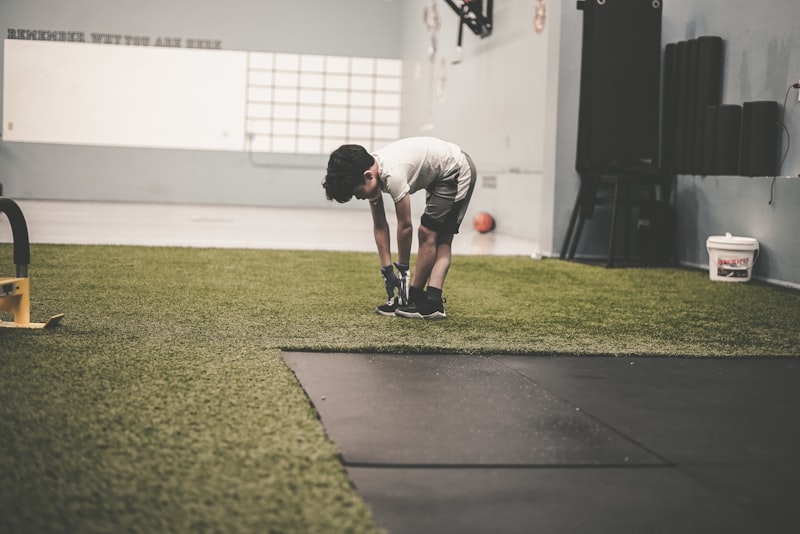
Flexibility sessions help joints and muscles move through a full range. Mobility drills prevent stiffness and keep you agile. Yoga, stretching, and dynamic warmups are common approaches.
These types aid recovery, reduce aches, and prepare your body for harder training. Therefore, include some flexibility work in every weekly plan.
5. Agility and Balance Training
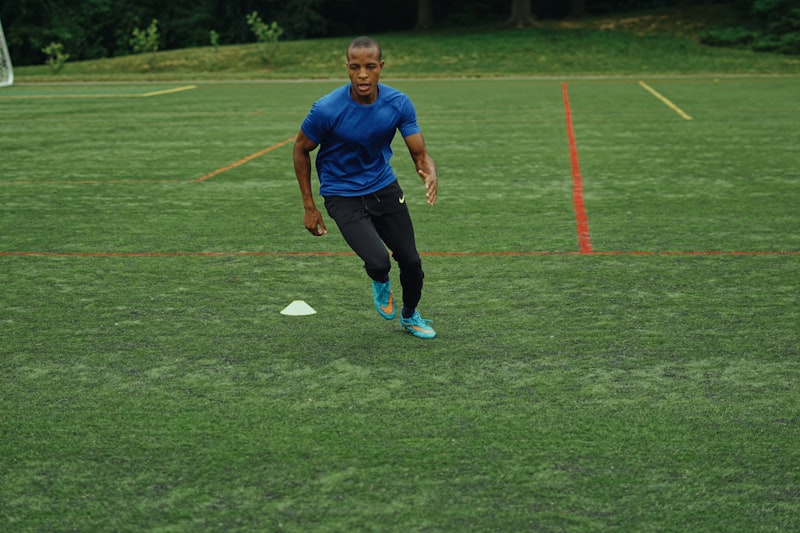
Athletes rely on agility to change direction quickly and avoid falls. However, older adults also benefit by reducing fall risk. Ladder drills, cone runs, or single-leg exercises improve quick reflexes and body control.
In summary, a complete training conditioning plan blends aerobic, anaerobic, strength, mobility, and agility work. The right mix depends on your age, goals, and current ability.
Building an Effective Conditioning Program: Steps and Tips
Creating a smart training routine starts with a goal. Therefore, the first step is knowing what you want—more strength, better stamina, or sport-specific skills?
Step 1: Assess Current Fitness and Set Clear Goals
Start with a simple fitness self-test. For example, measure how far you can run in 12 minutes or how many push-ups you can do. This gives you a baseline.
Setting clear, realistic goals is key. For instance, maybe you want to run a 5K, gain muscle, or just keep up with your kids. In addition, breaking big goals into small wins helps you stay on track.
Step 2: Choose the Right Exercises
Select exercises based on your needs. For example, runners focus on interval sprints and steady-state cardio. Meanwhile, older adults might add more balance and strength work.
A good weekly plan for most healthy adults might include:
Mixing up routines keeps you engaged and prevents overuse of any single muscle group.
Step 3: Follow the Principles of Progression and Variation
Increase difficulty slowly. Add more repetitions or weight every few weeks. However, do not ramp up too quickly, or you risk injury.
Vary your workouts each month. For example, change running routes, weights, or training time. As a result, your body keeps adapting and stays strong.
Step 4: Plan for Recovery and Rest
Rest is where magic happens. Muscles repair and grow when you sleep and rest between sessions. Never skip this step. Both planned rest days and good sleep habits speed up your gains and lower your risk for burnout.
Also, listen for signs of fatigue or pain. Adjust your training if you are always sore, run down, or not improving.
Step 5: Track Progress and Adjust
Use a simple journal, app, or spreadsheet to log each workout. Note how you feel, times, and reps. As you spot trends, tweak your routine for new gains.
In summary, building a plan is about setting goals, mixing exercise types, progressing gradually, resting well, and tracking results.
Practical Applications: Training Conditioning in Everyday Life and Sports
You might think advanced conditioning is just for elite athletes. However, this approach benefits people in all stages of life. In 2026, more workers, students, and older adults use conditioning methods to solve real problems.
Everyday Fitness and Health
For most people, conditioning helps with daily tasks. You might lift and carry groceries, climb stairs, or play with kids. Good training makes these actions feel easier and safer.
In addition, studies show that people who follow consistent routines see lower blood pressure, higher energy, and better mental health. For example, Harvard Health found that a structured routine lowers the risk of chronic disease by up to 40%.
Work Performance and Injury Prevention
Jobs that demand heavy lifting, standing, or quick movements (like nurses or factory workers) benefit from conditioning. Training the right muscles and patterns reduces the risk of common work injuries, like back pain or sprained ankles.
Therefore, companies now offer conditioning programs as part of workplace wellness efforts. In fact, some insurance plans offer discounts to members who complete approved routines.
Sports Performance and Youth Development
For young athletes, training builds the foundations for safe movement and growth. Schools and teams use age-appropriate routines to boost performance without harming growing bodies.
In summary, conditioning is now a lifelong health tool—not just for pro athletes.
Science and Technology: Innovations in Training Conditioning

Training approaches are evolving faster than ever in 2026. Technology, research, and wearable tools have reshaped how people plan and monitor their programs.
Wearable Devices and Apps
Devices like smartwatches and heart monitors now give real-time feedback on heart rate, movement, and recovery. For example, apps track workouts, show recovery needs, and suggest changes day-to-day.
Because of this, people personalize routines much more accurately. More data means better choices and less guesswork. Wearables help avoid overtraining and spot patterns before injuries start.
Latest Research and Trends
Sports scientists keep discovering new ways to boost results. For instance, studies show that High-Intensity Interval Training (HIIT) gives big aerobic and strength gains in a short time. A 2026 review in the Journal of Applied Physiology found that two 20-minute HIIT sessions weekly improved aerobic fitness by 18% in adults aged 40-65.
Additionally, heat and cold therapy are now common to speed recovery. Many programs also blend mindfulness (like focus drills or breathwork) into routines to sharpen mental performance.
Online Platforms and Virtual Coaching
More people now use online classes or coaches. In addition, AI-driven programs deliver custom plans at home with little equipment. This makes advanced conditioning accessible for busy people, rural residents, and those with special needs.
In summary, science and tech are making training safer and more effective. Staying current means more options and better results for everyone.
Conclusion
Training conditioning offers real benefits for everyone, not just pro athletes. With clear goals, varied exercises, and smart recovery, you improve strength, energy, and quality of life.
The science continues to advance. New technology and research invite everyone to train smarter, not just harder. In 2026, there’s no barrier—whatever your age or skill.
Ready to build your own conditioning plan? Start by assessing your needs, set a simple goal, and try a few methods from this guide. For deeper insights, see resources like the Mayo Clinic’s Exercise programs.
For more actionable guides and wellness tips, keep following ismartfeed.com. Your improved fitness can start today.