
You may have wondered, what are the core principles of BJJ and why do they matter for martial arts effectiveness? Understanding these principles helps both beginners and experienced grapplers improve their training, performance, and safety. In addition, it connects practitioners with a deeper sense of purpose, both on and off the mat.
Brazilian Jiu-Jitsu, often called BJJ, is more than just a set of techniques. It is based on fundamental principles that guide every movement, strategy, and mindset. In fact, these core ideas distinguish BJJ from other martial arts and have shaped its global popularity.
In this article, we will explore the central concepts of BJJ. We will look at how leverage, technique, timing, position, and mindset drive effectiveness. We will also offer insights for learners and enthusiasts, so you can apply these ideas in your training or gain a clearer understanding of why BJJ works.
What Are the Core Principles of BJJ? A Foundation for Every Practitioner
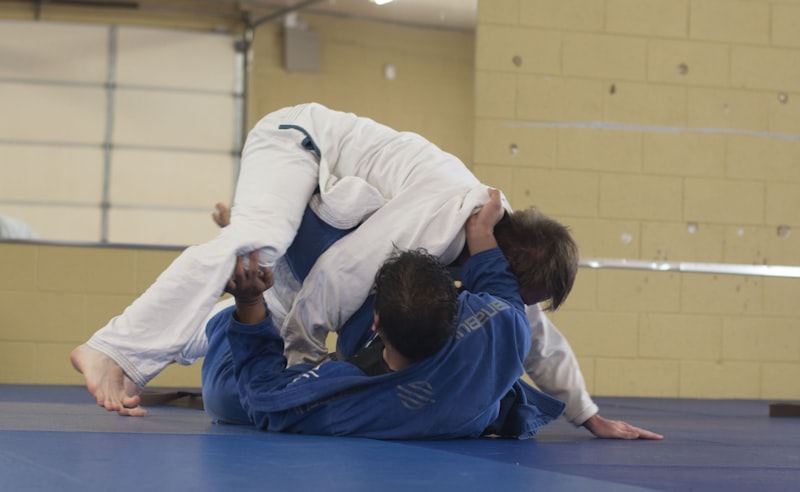
The main question for many students is, what are the core principles of BJJ that make it unique? These principles underpin every class, every roll, and every competition. They are as follows:. Veja tambem: What Is BJJ Guard and How to Use It: Complete Guide 2026.
- Leverage over Strength
- Technique over Brute Force
- Position Before Submission
- Timing and Efficiency
- Control and Progression
- Adaptability and Continuous Learning
- Focus on drills that emphasize leverage and timing, not just speed or power
- Record training sessions to analyze technique and spot areas for improvement
- Practice mindfulness and breathing to manage stress during rolling
- Seek feedback from coaches and senior students
- Study competition footage for new strategies that align with the core principles
Let’s break down these pillars in practical terms. Veja tambem: BJJ Fundamentals Curriculum for Self Training: Complete Guide 2026.
Leverage Over Strength
BJJ was designed to give smaller or weaker people an advantage against larger or stronger opponents. Because of this, leverage is at the heart of its philosophy. Leverage means using the body in ways that create maximum force with minimum effort. For example, in a basic armbar, the hips and legs generate power to extend the opponent’s arm, rather than relying on pure upper body strength.
In fact, studies on BJJ effectiveness show that proper leverage makes size less important. According to ResearchGate, smaller grapplers use leverage and angles to control larger opponents and escape dangerous positions.
Instructors emphasize leverage from the start. For example, children and women new to BJJ can still control stronger training partners. Mastery of leverage prevents injury and opens up powerful techniques for all body types.
Technique Over Brute Force
Technique means using the best method for each move. BJJ teaches that correct technique beats muscle every time. Proper grip, angle, and movement always win over sheer strength.
Take the rear naked choke, for example. Applied with precision, it requires very little effort to finish. On the other hand, trying to “muscle” through a choke or joint lock often fails and can even result in injury.
Coaches push students to practice techniques slowly and accurately. For instance, drilling the hip escape (shrimp) builds efficiency, allowing you to escape pins smoothly. Competitors who focus on detail often outperform those who rely on athleticism.
In summary, focusing on technique allows for success regardless of your physical condition. It also promotes long-term growth and minimizes risks on the mat.
Position Before Submission: The Golden Rule

One phrase heard often in BJJ gyms is “position before submission.” This rule means you must secure a dominant position before attempting to finish your opponent. Because of this, students learn to stabilize positions like mount, side control, or back control before chasing arm locks or chokes.
In addition, dominant positions help keep you safe. For example, if you attack with a submission without control, your opponent may escape or reverse you. On the other hand, controlling positions let you apply submissions safely and with greater chance of success.
This principle shapes the structure of BJJ training. For example, practitioners first learn how to pass the guard and establish control before learning joint locks or chokes. In competitions, points are awarded for advancing position, showing the value placed on control.
According to the International Brazilian Jiu-Jitsu Federation, the scoring system rewards transitions to better positions. This framework helps students understand why patience and careful progression matter more than rushing for the finish.
Position before submission benefits all levels. Beginners stay safer and learn faster. Advanced competitors win more matches and control the pace. Therefore, this principle stands as a core reason behind BJJ’s effectiveness for self-defense and sport.
Timing, Efficiency, and Energy Conservation

Another principle that sets BJJ apart is its focus on timing and efficiency. BJJ views fights in terms of energy management and smart decision-making. You learn to pick the right moment to move, counter, or submit.
For example, BJJ teaches waiting for an opponent to commit to a mistake. If someone pressures forward, you time an escape or reversal using their momentum. Instead of fighting every second, you stay calm and attack at the right time.
Efficiency also means using as little strength as possible. Seasoned athletes conserve energy when holding positions or escaping. In fact, black belts often look as if they are using no force at all—this is due to efficiency gained through years of training.
Timing appears in competition and self-defense alike. An early escape might fail if timed poorly. However, waiting for the right opening can mean escaping from bottom position or sweeping a stronger opponent.
For those interested in endurance, energy conservation helps BJJ practitioners last in lengthy sparring sessions. In summary, this approach not only makes BJJ more accessible but also safer for athletes of all ages and skill levels.
Drills for Timing and Efficiency
There are practical ways to improve timing and efficiency. For example, flow rolling encourages students to move smoothly rather than forcefully. Positional sparring isolates escapes and sweeps, allowing practice with timing against real resistance. Many gyms use breathing techniques to help students stay relaxed and save energy even in tough situations.
Control, Progression, and Adaptability in BJJ Practice

Control is another mainstay of BJJ philosophy. This refers to maintaining dominance, limiting your opponent’s movement, and advancing position. Without control, technique and timing become difficult to apply.
Control also includes understanding pressure, balance, and grips. For example, in side control, a practitioner uses weight distribution to pin the opponent without overexertion. In guard, you use grips to break posture or set up attacks.
Progression means always looking to improve your position or outcome. In matches, it means moving from guard to mount, then looking for submissions. In self-defense, progression includes getting to safety or neutralizing threats.
However, adaptability is what keeps BJJ relevant as a martial art. No two rolls are ever the same. Athletes must adjust to different body types, attack styles, and strength levels. Flexibility keeps the mind open and solutions creative. For example, when facing a stronger opponent, you may need to switch tactics and use open guard rather than closed guard.
For learners in 2026, adaptability also means staying updated on rule changes, new techniques, and evolving training methods. Online resources and video breakdowns have made it easier than ever to study top athletes and adapt strategies for your own use.
Therefore, control, progression, and adaptability help practitioners respond to changes, secure meaningful results, and push their skills forward.
Applying Core Principles in Training, Self-Defense, and Life

Understanding these key concepts is only the first step. Bringing the core ideas of BJJ into your regular training sessions boosts results and confidence. For example, focusing on leverage and technique over strength allows you to roll with anyone, regardless of size.
In self-defense, these principles are life-saving. Learning to gain control, escape bad positions, and conserve energy keeps you safe during confrontation. Women and children benefit especially from these ideas, showing they are not reserved just for athletes.
Furthermore, studies show that BJJ participants gain more than just physical skills. In a 2025 report by Statista, over 1.3 million people in the US practiced Brazilian Jiu-Jitsu, citing gains in self-esteem, focus, and stress relief.
In daily life, BJJ principles transfer well. Leverage means looking for smart, simple solutions to problems. Timing means acting with patience. Adaptability means being open to change and growth. As a result, many practitioners say BJJ has helped them at work, school, and within their families.
Tips for Integrating BJJ Principles
Conclusion

In summary, the core principles of BJJ—leverage, technique, position, timing, control, and adaptability—form the backbone of both skill development and safety. They allow people of all backgrounds to succeed in martial arts, self-defense, and personal growth.
Whether you are starting your BJJ journey or looking to advance, keep these ideas in mind during each session. Apply them in sparring, review your progress, and seek ongoing improvement. If you want to experience the benefits first-hand, look for a qualified BJJ instructor or visit a reputable gym near you. Your progress will reflect the strength of these timeless principles.