
When it comes to sleep tips for optimal BJJ recovery, many athletes overlook just how much good rest shapes their results. In fact, sleep is one of the most important factors in helping your body heal, build muscle, and sharpen your mind for the next roll.
A strong BJJ lifestyle is never complete without smart recovery. That means the way you eat, rest, and plan your days really matters. Therefore, learning to improve your sleep quality will help you push harder in training and bounce back stronger. Saiba mais sobre BJJ Lifestyle Habits for.
This article explores science-backed ways to get better sleep, showing how sleep fits into the big picture of sustainable BJJ living. From daily habits to nighttime routines, every tip here is tailored for Brazilian Jiu-Jitsu athletes who want to stay at the top of their game.
Why Sleep Is Vital for BJJ Recovery
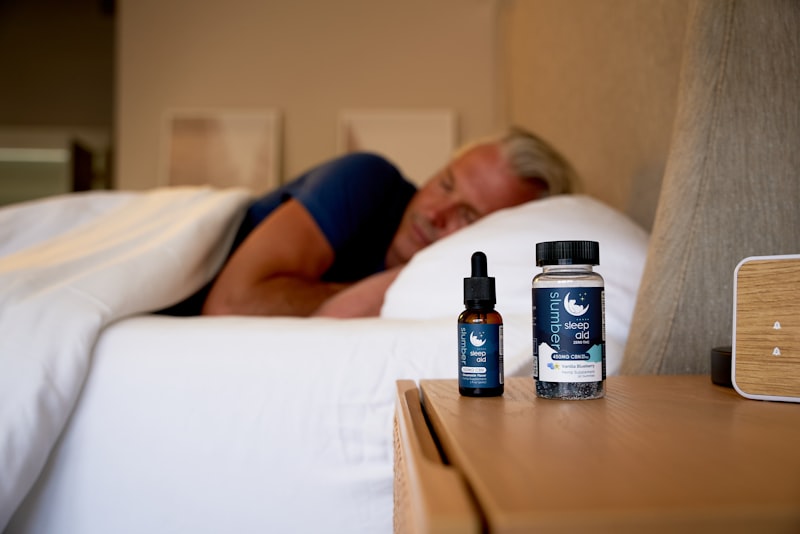
Almost every top BJJ athlete will tell you that quality sleep can make or break your training week. During sleep, your body handles muscle repair, immune support, and hormone balancing. As a result, skipping rest or sleeping poorly means you risk slower gains, more injuries, and losing mental sharpness. Veja tambem: Hydration Strategies for BJJ Athletes: Essential Tips for 2026.
For example, a 2022 study in the Journal of Strength and Conditioning Research found that athletes who slept at least 7-9 hours each night recovered faster and improved performance more than those with less restRead more. In Brazilian Jiu-Jitsu, constant rolling, drilling, and strength work put high stress on muscles and joints. Because of this, solid sleep is not a luxury — it is a tool for growth. Veja tambem: Common BJJ Injuries and Recovery Guide: Reduce Downtime in 2026.
The Sleep-Recovery Connection in BJJ
During deep sleep cycles (known as slow-wave sleep), the body releases growth hormone. This hormone sparks muscle repair and rebuilding. Lack of deep sleep, on the other hand, limits this process. Over time, you may notice nagging injuries, plateaued strength, or slowed reflexes. Veja tambem: How to Set Goals in a BJJ Lifestyle: Practical Steps for 2026.
In addition, REM sleep sharpens your memory and learning. Since BJJ relies on absorbing new moves and reacting fast, REM sleep cycles help lock in techniques and adapt strategies. So, when you miss out on quality sleep, both your body and your mind fall behind.
How Poor Sleep Sabotages Your BJJ Progress
You may train hard or eat well, but without good rest, your body pays the price. There are several clear ways that poor sleep can block your progress on the mats.
First, chronic sleep loss raises inflammation. Inflammation slows joint healing and makes injuries like sprains take longer to heal. In addition, your reaction speed and decision-making drop. For BJJ, this leaves you trailing in scrambles or falling behind in fast transitions. According to research from the Sleep Foundation, even one week of bad sleep can cut high-intensity performance by up to 11%.
Sleep issues also upset your appetite-regulating hormones. As a result, you may feel hungrier or crave less healthy foods. Over time, this can change your body weight or energy stores, which is critical for athletes who have to manage their weight class.
Injury Risk and Recovery Cycles
Because of added fatigue and slowed repair, sleep-deprived athletes risk missing more training due to injury. Minor aches might turn into bigger problems when the body does not get time to rebuild. Therefore, working to improve sleep is not just preventing tiredness — it is lowering your chances of getting sidelined.
In summary, neglecting sleep is like erasing hours or even weeks of your hard training. Every discipline and habit off the mat supports your longer-term success on it.
Essential Sleep Tips for Optimal BJJ Recovery

Now that we know why rest matters, let’s focus on real-world sleep tips for optimal BJJ recovery. These practical changes can help you fall asleep faster, get deeper rest, and wake up ready for another day on the mats.
First, stick to a regular sleep schedule. Go to bed and wake up at the same time every day, even weekends. This helps set your body’s internal clock, making it easier to fall asleep and wake up naturally. As a result, your energy and recovery will improve.
Second, create a sleep-friendly environment. Keep your room cool (60-67°F), dark, and quiet. Use blackout curtains and turn off screens an hour before bed. Exposure to blue light from phones or TVs suppresses melatonin, a hormone that makes you sleepy.
Limit caffeine after midday. In addition, avoid heavy meals or alcohol late in the evening, as these can disrupt sleep cycles. A protein-rich evening snack, however, may help muscle repair and keep you from waking up hungry.
Nighttime Routines and Mindful Practices
Develop a calming pre-bed routine. For example, stretch lightly, take slow deep breaths, or listen to calming music. Some BJJ athletes write in a training journal at night to ease their mind and let go of the day’s stresses. Saiba mais sobre How to Balance BJJ.
Try relaxation techniques such as progressive muscle relaxation or guided meditation. Many find that these habits lower stress and help them drift off faster. Easy stretches can also keep muscles loose and support blood flow.
If you have a tough night, avoid sleeping in much longer the next day. Short naps (20-30 minutes) can be helpful, but skip long naps late in the day to avoid throwing off your schedule.
Nutrition, Hydration, and Daytime Habits for Better Sleep
Your daytime choices play a huge role in how well you sleep. Good sleep is not just about what you do at night. It starts as soon as you wake up.
First, natural sunlight in the morning helps reset your circadian rhythm. Aim to get outside for at least 15 minutes after waking. This tells your brain when to be alert and when to rest.
Stay hydrated, but reduce liquid intake an hour before bed to avoid waking at night. In addition, limit high-sugar snacks and processed foods in the evening. These can spike energy and make sleep harder.
A balanced diet rich in magnesium, potassium, and vitamin B6 supports restful sleep. Foods such as bananas, almonds, leafy greens, and whole grains can naturally boost sleep quality.
Managing Training Load and Rest Days
Careful management of training load is key. Pushing too hard without breaks will not only cause overtraining, but also disrupt your sleep. As a result, plan hard and easy sessions, and track your fatigue signals.
Rest days are not wasted days. They are essential for muscle recovery and mental reset. Use your rest days for gentle movement such as walking or mobility work. In addition, this helps release tension and signals to the brain that it is time to recover.
In summary, think about the whole day — not just the hours before sleep — when shaping a recovery-focused lifestyle. Saiba mais sobre BJJ Lifestyle Tips for.
Tracking and Improving Your Sleep for BJJ Success
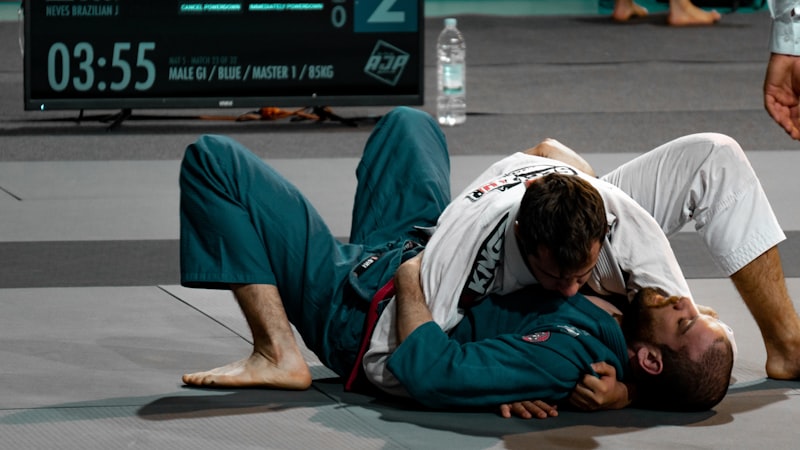
Many athletes guess about their sleep quality, but tracking tools provide clear answers. Use sleep apps or fitness trackers to monitor when you fall asleep, how long you sleep, and your sleep stages. In fact, even a handwritten journal noting how you feel each morning can show patterns.
If you spot trends like frequent waking, hard time falling asleep, or always feeling groggy, start targeted changes. For example, if you are restless, check your room temperature or pre-bed caffeine. If you wake up stiff, try some easy foam rolling before bed.
Track your BJJ performance and see how it links to your rest. On days after great sleep, note if you feel faster, smarter, or stronger at practice. Over time, you will have proof that these small changes work.
When to Seek Help
If poor sleep persists even after changing your routines, it may be time to talk to a doctor or sleep coach. Problems like sleep apnea or chronic insomnia need expert support.
Good sleep is a skill, just like any sweep or submission. It can be learned, measured, and improved with steady practice. In addition, an athlete who solves sleep will always have an edge.
Conclusion
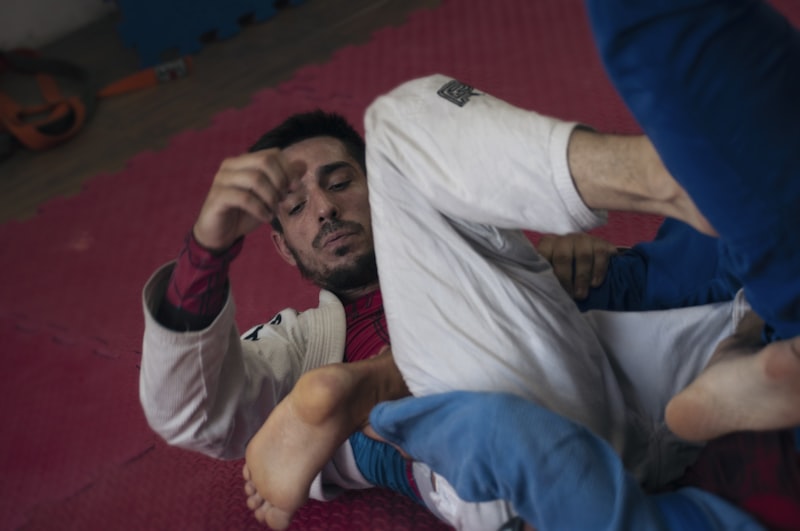
Getting quality rest is one of the most reliable ways to boost your BJJ performance and health. By following proven sleep tips for optimal BJJ recovery, you help your body and mind come back stronger after every session.
Set a regular routine, shape your environment, eat well, and monitor your results. Remember: your success on the mat starts the night before. Start using these tips tonight, and watch your recovery and results grow day by day.
For more science on sleep and athletic recovery, see the Sleep Foundation’s guide to athletes and sleep. Sustainable progress is about smarter choices — and sleep is always the best place to start.