
Knowing how to set goals in a BJJ lifestyle is a core skill for anyone who wants long-term progress. In fact, clear goals can help you improve faster, enjoy training more, and avoid burnout.
Brazilian Jiu-Jitsu (BJJ) goes beyond what happens on the mat. Nutrition, sleep, and smart habits make or break your results. Therefore, learning to set goals within these areas lets you create a balanced path to success.
This article will show you proven strategies for setting and achieving goals as a BJJ practitioner. You’ll get hands-on tips for training, recovery, and healthy habits that support growth in the sport—and in daily life.
Why Setting Goals Matters in the BJJ Lifestyle
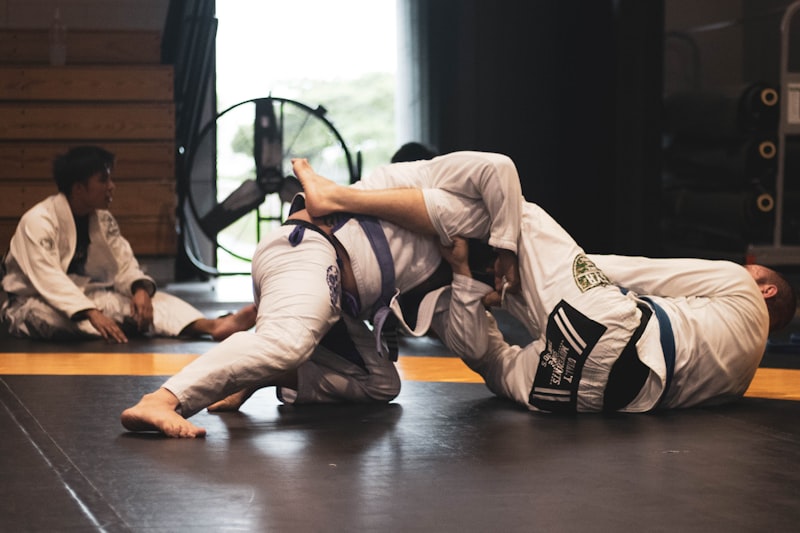
Setting goals gives you direction, both in training and your day-to-day habits. Without goals, you might show up for class, but never see clear progress. With them, you can measure, adjust, and celebrate your growth.
For example, let’s look at a new BJJ student. If their only aim is “get better,” it’s hard to know where to start. On the other hand, if they set a target to “learn and apply the hip escape by next month,” they instantly have a path.
In addition, research supports the power of goal setting. A study published in the American Psychological Association found that people are 33% more likely to succeed when they write down clear, measurable goals[^1]. In BJJ, this can mean everything from fixing your guard to keeping to a regular sleep schedule.
Goals support both mental and physical development. Therefore, when you set targets around nutrition or sleep, you’re showing yourself that these areas are just as important as technical skills. In fact, world-class athletes often set as many goals off the mat as they do in sparring.
Finally, goals can boost motivation. When you see progress—no matter how small—you get a sense of satisfaction that powers you through tough days. This is crucial in BJJ, where plateaus and frustration are common.
^1]: [APA: The Power of Setting and Sharing Goals
The Role of Habits and Environment
It’s also important to see that your habits and environment heavily influence your ability to reach your goals. For example, a set meal prep routine can support goals around healthy nutrition, while a strict bedtime can improve both mood and training quality. In other words, the right habits make your goals easier to achieve.
Types of Goals to Set for a Sustainable BJJ Lifestyle
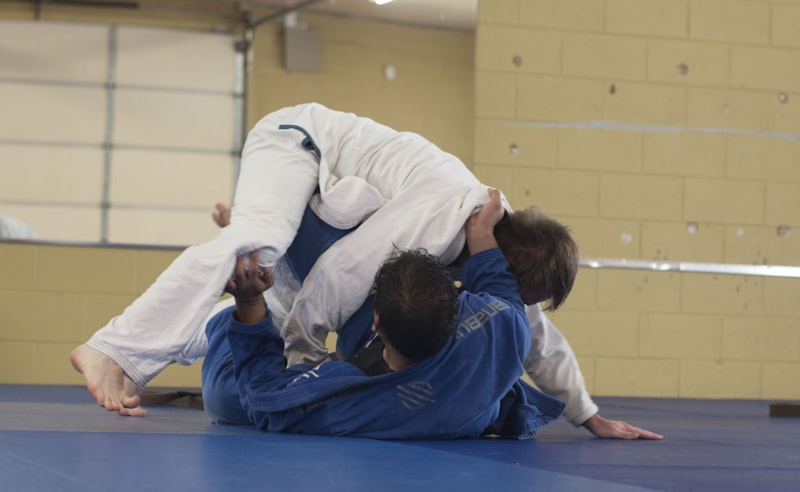
To understand how to set goals in a BJJ lifestyle, you’ll want to consider more than just technical skills. A good mix of goals covers key areas: on-the-mat progress, nutrition, recovery, and daily routines.
First, let’s break down the main categories:
Training Goals
Training goals focus on skills or fitness. For example, “attend three BJJ classes per week” or “hit 10 consecutive hip escapes.” In addition, you can set goals for learning certain techniques or surviving longer against tougher partners.
Make sure these are specific and trackable. For example, instead of “get better at guard,” set a goal to “successfully recover guard from bottom side control 10 times in live sparring by the end of the month.”
Nutrition Goals
Nutrition plays a massive role in how you feel and perform. Goals like “prepare five balanced meals each week,” or “drink at least 2.5 liters of water each day,” support your BJJ journey. According to the CDC, healthy eating habits improve athletic performance and speed recovery.
You can also target body composition goals, but keep them healthy and realistic. In fact, focusing on fueling your training is often more sustainable than chasing a number on the scale.
Recovery and Sleep Goals
Sleep and recovery are often ignored by new practitioners. However, lack of rest is a leading cause of injuries in BJJ. Setting goals such as “get at least 7 hours of sleep per night” or “stretch for 10 minutes after class” can reduce injury risk and boost results.
A 2025 survey by the National Sleep Foundation showed that athletes who slept seven or more hours were 22% less likely to report injuries[^2]. Because of this, sleep goals are a must-have for every BJJ student.
^2]: [National Sleep Foundation: Sleep and Athletic Performance
Lifestyle Habits Goals
Other goals support overall well-being. For example, “limit screen time to one hour before bed” or “meditate three times per week.” These may not seem like BJJ goals, but they influence your mindset and energy levels.
In addition, building social connections—like inviting a new teammate for coffee—can make training more fun and sustainable.
How to Set S.M.A.R.T. Goals for BJJ Success
The S.M.A.R.T. framework is one of the best methods for figuring out how to set goals in a BJJ lifestyle. S.M.A.R.T. stands for Specific, Measurable, Achievable, Relevant, and Time-bound. This method brings clarity and motivation to your targets.
Let’s see how to apply S.M.A.R.T. to different BJJ lifestyle goals.
Building a S.M.A.R.T. Training Goal
Suppose you want to “improve your open guard.” A S.M.A.R.T. example could be:
- Specific: “Drill open guard sweeps for 15 minutes, three times a week.”
- Measurable: “Track the number of successful sweeps during rolling.”
- Achievable: “Choose a number that fits your current skill and schedule.”
- Relevant: “Open guard is weak, and you often get passed in sparring.”
- Time-bound: “Achieve five successful sweeps by the end of this month.”
- Protein Intake: Aim for at least 1.6 to 2.2g per kilogram of body weight per day, especially during heavy training blocks. This helps in muscle recovery and repair.
- Hydration: Dehydration can cut athletic performance by up to 10%, according to the CDC. Therefore, drink water regularly, not just during training.
- Meal Timing: Eat a balanced meal with carbs and protein 1-2 hours before training. This can give needed energy and prevent fatigue.
- Meal Prep as a Habit: Prepare meals in advance. This helps you stay on track even with a busy lifestyle.
- “Set a strict bedtime and wake up at the same time every day for the next 30 days.”
- “Turn off screens 30 minutes before bed to improve sleep quality.”
- “Log your sleep and note how it affects performance at class.”
- Meditate for five minutes upon waking up. This helps with focus and reduces stress.
- Write down three things you did well after each training session. In addition, reflect on one area to improve.
- Spend 10 minutes a day on mobility exercises, especially if you work at a desk.
- Journaling: Write down each class, what you learned, and how you felt. This helps you spot trends, like low energy on days following poor sleep.
- Apps: Use health or training apps to track hours trained, sleep, nutrition, or water intake. In addition, you can set reminders for habits.
- Checklists: Print out weekly checklists for routine tasks, such as stretching or meal prep. Marking off tasks gives an extra boost of motivation.
With this goal, progress is easy to track. Therefore, you can adjust training if needed and see results in your live rolls.
S.M.A.R.T. Nutrition and Recovery Examples
Nutrition: Instead of “eat healthier,” set a goal to “include at least two cups of vegetables in every lunch and dinner for the next four weeks.”
Recovery: Instead of “recover better,” use “do a 10-minute stretching routine after BJJ twice a week for one month.”
Both these goals are S.M.A.R.T. In addition, they make it easier to stay consistent, which matters more than perfection.
Adjusting Goals As You Grow
Your needs will change over time. When you achieve a goal, set a new one. If a goal becomes impossible due to injury or schedule, adjust the timeline or difficulty. In other words, flexibility keeps you moving forward.
Checking in with a coach or training partner can help you stay accountable. Share your goals and ask for feedback during open mat or recovery sessions.
Nutrition, Sleep, and Daily Habits: Supporting Your BJJ Goals

To fully embrace how to set goals in a BJJ lifestyle, you must look beyond the mat. The way you fuel your body, rest, and structure your day determines your long-term success.
Athletes who combine technical, nutrition, and lifestyle goals are more likely to stick with the sport. In addition, their injury risk drops, and progression is more sustainable.
Nutrition Tips for BJJ Practitioners
A scientific approach to nutrition keeps energy levels stable and promotes faster recovery. For example, focus on the following:
Because nutrition can be overwhelming, start with small, clear goals. For example, “bring a recovery snack (banana and protein shake) to each class for the next two weeks.”
Sleep and Recovery: Building Your Foundation
Sleep is when your body and brain recover from stress. On average, adults need between 7-9 hours per night. Yet, many athletes underestimate this need.
According to Sleep Foundation research, athletes who report regular, high-quality sleep see faster skill learning and recovery. As a result, sleep should be a non-negotiable goal in your BJJ plan.
Try goals such as:
Daily Habits That Support Your Goals
Besides nutrition and sleep, develop simple routines that support your progress. For example:
Habits like these may seem small. However, they add up over time. Therefore, your daily choices can make or break your ability to reach your larger goals.
Tracking Progress and Staying Accountable
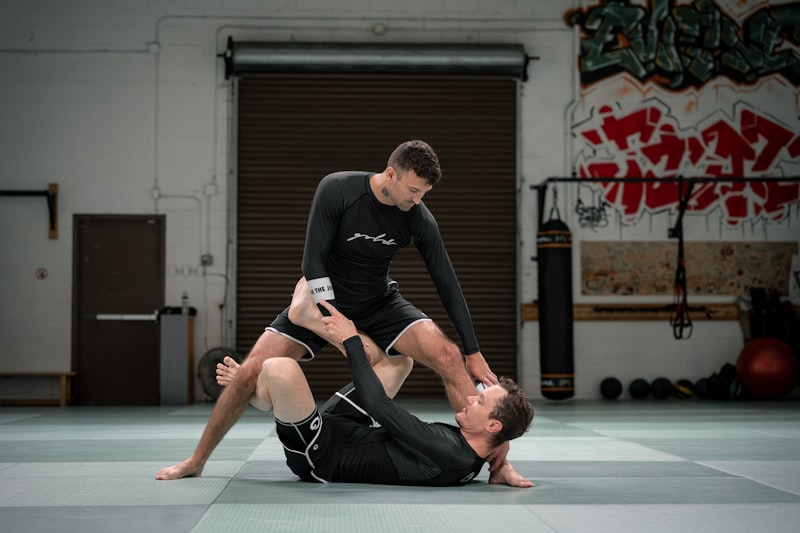
One of the most overlooked steps in how to set goals in a BJJ lifestyle is tracking. Many people set goals but do not monitor if they are on track. Regular tracking helps you see progress, find trouble spots, and make adjustments.
How to Track Your BJJ Goals
Review your progress weekly. As a result, you’ll notice patterns and adjust your approach quickly. Share your results with a trusted partner or coach. Having someone cheer you on, or hold you accountable, can increase your success rates.
Celebrate Small Wins
It’s easy to focus only on big goals—like belt promotions—but remember to celebrate the small wins. For example, showing up to class during a tough week, hitting a hydration goal, or sticking to a bedtime routine. These achievements matter and keep you motivated.
Conclusion
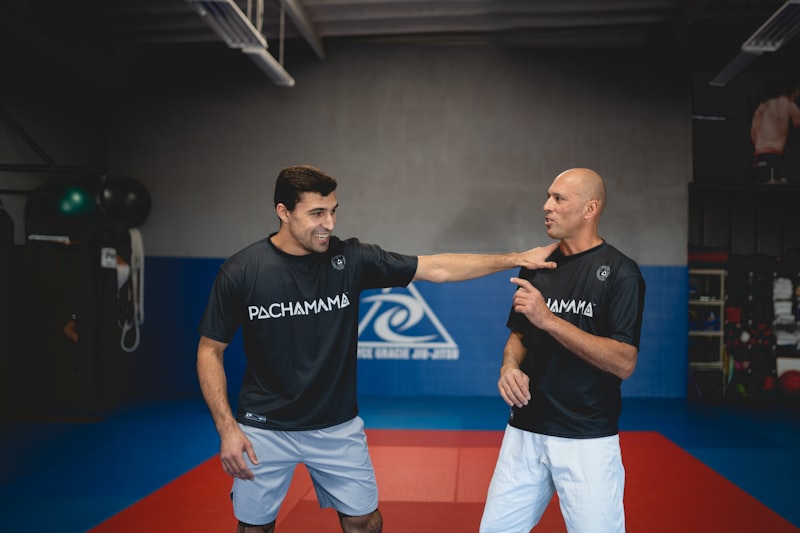
Learning how to set goals in a BJJ lifestyle is about more than just your time on the mat. It means aiming for progress in training, nutrition, sleep, and daily routines. As a result, you create a well-rounded and sustainable approach that leads to steady improvement.
Start with specific, measurable goals. Track your progress, adjust as needed, and celebrate each win—no matter how small. Remember, growth in BJJ is a journey. Building strong habits today will help you train harder, recover faster, and enjoy BJJ for years to come.
For more practical advice on nutrition, sleep, and recovery for grapplers, explore the CDC’s nutrition resources or seek advice from certified sports nutritionists.
Set your first goal today and see how much further you can go in your BJJ lifestyle.