
Foam rolling exercises for muscle recovery have become a vital part of every grappler’s routine in 2026. Many athletes use foam rolling to help reduce muscle soreness, improve flexibility, and speed up recovery. In fact, this self-myofascial release tool is now a staple in modern mobility and injury-prevention strategies.
Whether you’re competing in Brazilian Jiu-Jitsu, wrestling, or submission grappling, hard training often results in tight, sore muscles. Foam rolling offers a simple way to target those tissues and prevent injuries. This article explains the science, shows you exactly how to use this method, and provides the top drills designed for grapplers.
The Science Behind Foam Rolling Exercises for Muscle Recovery
Foam rolling works through self-myofascial release. This term means you are applying pressure to your own soft tissue to reduce tightness. When grapplers use foam rolling, they help break down knots, also called trigger points, that develop during tough training sessions. Veja tambem: How to Create an Injury Prevention Routine: A Complete Guide for Grapplers.
Research published by the National Institutes of Health shows that foam rolling can help reduce delayed onset muscle soreness (DOMS) after strenuous workouts. In addition, it can even improve range of motion. For athletes who grapple, this makes a big difference in both recovery and performance. Veja tambem: Beginner Guide to Active Recovery Days: Smart Mobility for Grapplers.
For example, tight quadriceps or calves after repeated takedowns can limit your movement the next day. Rolling these muscles helps them feel less stiff because it increases blood flow to the area. That means nutrients and oxygen reach your cells faster, speeding up healing. As a result, you’re back on the mat sooner and reducing your risk of future injuries. Veja tambem: Common Mistakes in Training Recovery: How Grapplers Sabotage Results.
Foam rolling also activates your body’s pressure receptors. This sends signals to your nervous system, telling muscles to relax. Therefore, you not only feel less pain, but your muscles have a better chance to lengthen again. In grappling, mobility is critical for escaping holds and improving technique. Using this approach regularly supports those goals.
Finally, studies note that regular foam rolling has benefits even beyond muscle recovery. According to Harvard Health, it can reduce stress, improve sleep, and enhance overall well-being. However, technique is important. Poor form or rolling too fast can reduce these benefits.
Optimal Frequency and Timing
Most research suggests athletes should use foam rolling for 1 to 2 minutes per muscle group. Doing so after training, rather than before, maximizes recovery benefits. In addition, adding foam rolling to your evening routine can further promote relaxation and aid muscle repair overnight.
Essential Foam Rolling Drills for Grapplers
To get the most from foam rolling, grapplers should target the muscle groups most affected by training. Common problem areas include the back, hips, glutes, hamstrings, quadriceps, and calves. Here are the top foam rolling exercises designed for muscle recovery in the grappling community.
Upper Back (Thoracic Spine)
Rolling the upper back is important for anyone who spends time bridged, shrimping, or defending submissions. In fact, grapplers often develop stiffness here because of repeated pressure and tight posture.
How to do it:
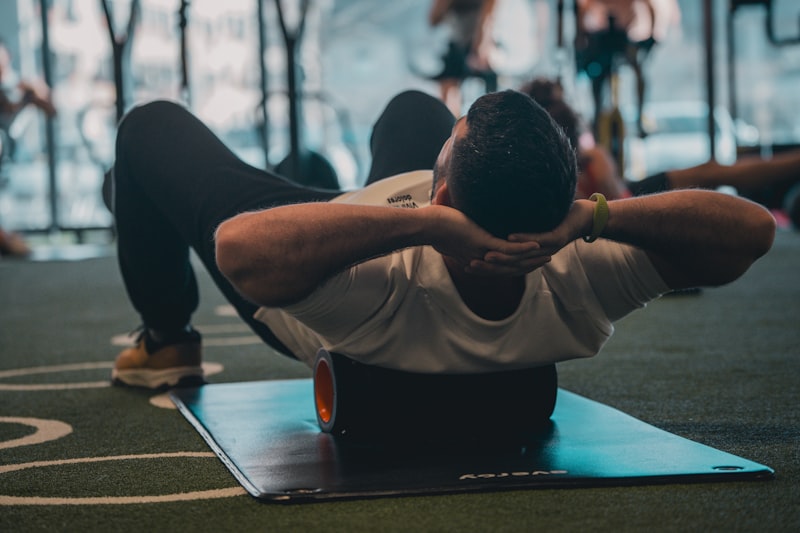
- Start by lying on your back with a foam roller under your upper spine.
- Cross your arms over your chest or support your head gently.
- Slowly roll from the base of your neck to the middle of your back.
- Pause and hold for 10-15 seconds on any stiff spots.
- Sit on the foam roller with one foot crossed over the opposite knee.
- Lean slightly toward the side of the crossed leg.
- Roll back and forth from the lower back to just above your hamstring.
- Switch sides after 30-60 seconds.
- Sit with the roller under one hamstring.
- Place your hands behind you for balance, lift your hips, and roll from the glutes to the knee.
- Pause on tender spots.
- Switch legs after 60 seconds.
- Lie face down with the roller just above your knee.
- Roll up toward your hip.
- Pause and breathe deeply when you find a sore area.
- Repeat for 60 seconds, then switch sides.
- Sit with the roller under one calf.
- Rest your other foot on the ground or cross at your ankle for more pressure.
- Roll gently from ankle to below your knee.
- Hold on tight spots for 15 seconds.
- Upper Back – 90 seconds
- Glutes/Hips – 90 seconds per side
- Hamstrings – 60 seconds per leg
- Quadriceps – 60 seconds per leg
- Calves – 60 seconds per leg
- Foam rolling after each session for 5–10 minutes.
- Dedicated stretching 2–3 times per week, focusing on problem areas.
- Mobility drills at the end of a warm-up or on rest days.
- Active rest, like swimming, cycling, or yoga, on off days.
For best results, keep your hips off the floor and move slowly. Repeat for 60-90 seconds.
Glutes and Hips
Hip and glute tightness can limit your guard movement and scrambling. Foam rolling these areas can ease tension after guard retention drills and takedown practice.
How to do it:
Adding this drill after every training session helps maintain flexibility and reduces strain on your pelvis.
Hamstrings and Quadriceps
Both muscle groups power many grappling moves. However, excessive tension here often leads to strains or limited knee mobility.
Hamstrings:
Quadriceps:
In addition, you can rotate your leg slightly inward or outward to find other trigger points.
Calves
Grapplers’ calves work overtime during guard retention, wrestling shots, and bridging. Therefore, rolling this area can limit soreness and improve ankle mobility.
Repeat for 1 minute per calf for best results.
Practical Foam Rolling Routines for Post-Training Recovery
Foam rolling exercises become more effective when used as part of a structured post-training routine. Grapplers can follow these sample schedules to maximize benefits and support injury prevention.
Sample 10-Minute Routine for Grapplers
This routine targets the most common problem areas after a typical drill or sparring session. You only need a standard foam roller and a little floor space.
Between drills, use slow, controlled breathing. In fact, this helps your body relax and recover even faster. If you have a specific sore spot, add extra time there.
How To Fit Foam Rolling Into Your Week
Aim to use these methods after every training session. For athletes training 4-6 times per week, consistent rolling is more important than long sessions. Even five minutes can make a difference if done regularly. On off days, use the roller before stretching to boost blood flow and warm tissues.
Customizing for Your Needs
Some grapplers may need extra focus on certain muscle groups. For example, if you injured your hamstring or have tight hips from wrestling, prioritize those areas. However, avoid rolling over bruises or recent injuries. If a spot is very painful, move slowly or skip it for a day.
Using a massage ball for small areas like your lats or piriformis can also help. These tools reach deeper into the muscle. As a result, you can address smaller trigger points that a standard roller can’t reach as well.
Safety Considerations and Common Mistakes in Foam Rolling
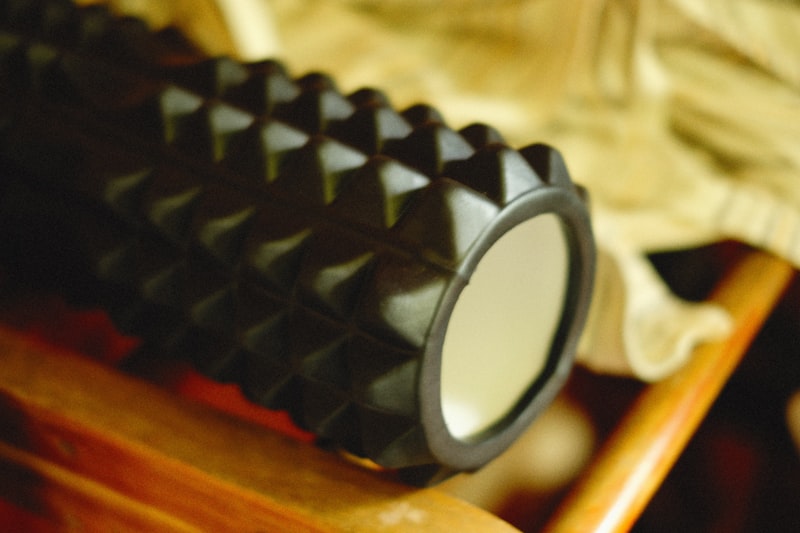
Foam rolling is safe for most healthy adults, but there are best practices every grappler should know. Awareness of these can help you get results without risk.
Avoid Rolling Directly on Joints and Bones
The roller is for soft tissue only. Therefore, never roll directly across your knees, elbows, or spine. Doing so can cause pain or injury.
Use Slow, Steady Movements
Rolling too quickly is a common mistake. Fast rolling can cause muscles to tense up, limiting the effectiveness of this practice. In fact, research recommends moving about one inch per second. Slow pressure gives your body time to respond and your muscles time to relax.
Do Not Roll Over Acute Injuries
If you have a sprain, strain, or bruised area, avoid foam rolling directly on it. This can slow healing or cause more pain. Instead, focus on healthy parts near the injury for increased blood flow.
Listen to Your Body
Foam rolling might cause mild discomfort, but never sharp pain. If you feel severe pain, stop right away. Adjust the pressure or change how you position your body. As a result, you can safely continue and still get the benefits.
Who Should Avoid Foam Rolling?
People with some medical conditions—such as blood clotting disorders or certain bone diseases—should speak to a healthcare provider before starting foam rolling. If you are unsure, always check with a physical therapist or doctor.
Maintaining and Cleaning Your Foam Roller
Hygiene matters, especially for grapplers who share equipment and train on mats. Wipe down your roller after each use with a disinfectant wipe. In addition, let it air dry before your next session. Clean equipment keeps skin healthy and reduces the risk of infection.
Integrating Foam Rolling with Stretching and Mobility Work for Grapplers
Foam rolling by itself offers many benefits, but combining it with other mobility work creates the best results for grapplers.
The Order Matters: Roll, Then Stretch
Studies show that foam rolling first, then static stretching, helps muscles extend further. In other words, rolling primes your muscles by increasing blood flow and calming your nervous system. Next, stretching can improve flexibility and help set new ranges of motion.
For example, try rolling your quads, then doing a gentle kneeling quad stretch. You will likely notice deeper results than with stretching alone. Grapplers need both good flexibility and muscle health to stay injury-free and mobile.
Dynamic Mobility Drills With Foam Rolling
Some coaches recommend pairing foam rolling with dynamic movements—like hip circles or squats—immediately after rolling. This combination preps muscles for both recovery and your next workout. It also helps your body reinforce movement patterns needed for grappling techniques.
Weekly Recovery Strategy for Grapplers
In 2026, most top-level grapplers use a layered approach:
This approach keeps muscles loose, helps prevent overuse injuries, and improves overall training results. For those who compete or train daily, consistency in these habits is key.
Tracking Your Progress
Finally, keep a journal or log to note which drills work best and how your muscles feel. As you become more experienced, you can adapt your routine to match your personal needs and recovery patterns.
Conclusion
Foam rolling exercises for muscle recovery are now essential in every grappler’s mobility toolkit. This approach eases soreness, breaks up trigger points, and prepares you for your next training session. When combined with stretching and smart recovery tactics, foam rolling helps maximize your performance and keeps injuries at bay.
Start by adding 5–10 minutes after every workout. Use slow, careful pressure and focus on key muscle groups. Listen to your body and keep good hygiene. For the best results, blend foam rolling with other mobility and stretching work.
Grappling is tough on the body, but recovery does not have to be complicated. Implement these techniques today and see the difference on the mat. For more tips, visit authoritative resources like Harvard Health or the National Institutes of Health. Stay flexible, stay strong, and keep rolling smart.