
Learning the best tips for maintaining side control in BJJ is key to dominating during sparring or competition. In Brazilian Jiu-Jitsu, side control is one of the most important core positions. However, holding this position against a resisting opponent can be tough without the right details.
Staying heavy, controlling movement, and understanding where to put your weight are critical. By mastering these habits, you will not only keep the position but also create more chances for submissions.
This article covers practical, proven strategies to help you maintain side control more effectively. Each section explains the mechanics, provides real examples, and links the concepts directly to fundamental BJJ knowledge. Everything here supports your foundation in core BJJ positions and movements.
Essential Body Positioning: Foundations of Strong Side Control
One of the main tips for maintaining side control in BJJ is keeping proper body alignment. Good positioning is the foundation of any dominant hold. In side control, you want your chest flat on the opponent’s torso, with your hips low and your body angled. Veja tambem: Exercises to Improve BJJ Hip Escapes: Essential Drills for Progress.
First, make sure your knees are close to the opponent’s hips and shoulders. In fact, many top black belts teach that the knees act as a “fence.” This blocks the bottom person from sliding out. Furthermore, keep your toes engaged with the mat so you can move quickly when needed. By “floating” your weight, you can shift pressure easily without losing contact. Veja tambem: What Are the Main Core Positions in BJJ? Essential Foundations Explained.
Your arms matter as well. The arm closest to your opponent’s head should block their near-side hip or wrap under the head for tighter control. The far-side arm usually underhooks their far shoulder or frames against their arm, depending on your control preference. If you lose the underhook, you risk letting your opponent recover guard or escape.
In addition, maintaining good head position is important. Your head should be low and close to your opponent’s head or shoulder. This makes it harder for them to create space. As a result, you remain heavy while still being mobile.
For example, watch any pro BJJ match, and you’ll see champions always angle their bodies and keep weight distributed for maximum stability. According to the Jiu-Jitsu Times, focusing on these basics prevents most escapes before they start.
Adjusting Your Base for Different Escapes
Different escape attempts require different reactions. If the opponent tries to frame and shrimp, widen your knees and sprawl your hips. If they try to turn in, switch your control and block their hip with your arm or knee. The ability to flow from one positioning style to another comes from drilling these reactions, not just learning them in theory.
In summary, strong body alignment is non-negotiable for good side control. Build these habits until they are automatic.
Mastering Pressure: Making Yourself Feel Heavy
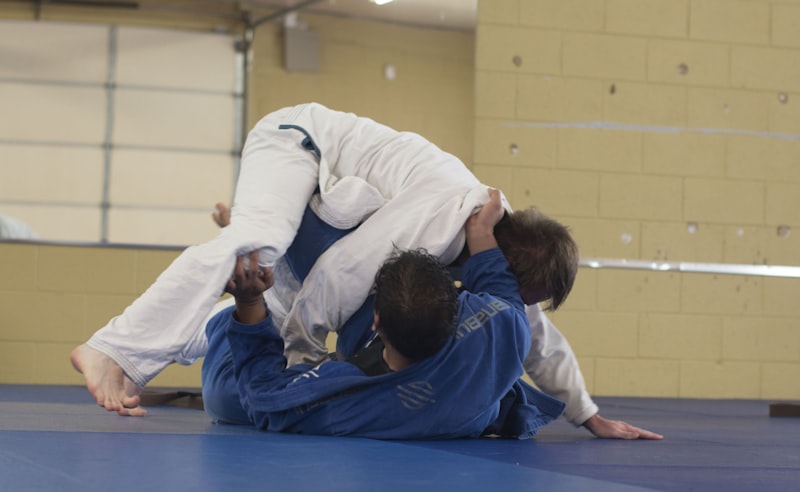
A common misconception is that size alone creates pressure in side control. In reality, even lighter practitioners can feel heavy with proper technique. This section explains how to use gravity and body mechanics.
First, never just lie on your opponent. Instead, drive your shoulder and chest into their diaphragm. This restricts their movement and breathing without using much strength. At the same time, use your hips to “float” and shift weight toward where your opponent is trying to escape.
On the other hand, spreading your weight too evenly can help your opponent create space. Instead, focus your pressure on a smaller part of their body where they want to move. For example, if they push your knee to recover guard, sink your hip toward that knee and tighten your frame.
Research shows that well-applied pressure, not just holding, improves your chances for submissions and controls the pace according to Gracie Magazine. In addition, pressure breaks the opponent’s willingness to move, making it less likely they’ll even attempt escapes.
A practical drill to improve pressure is the “heavy hips” drill. Lie in side control and ask your partner to escape. Focus on making every part of your torso contact their body, constantly adjusting pressure in reaction to their movement. This drill reveals holes in your control and helps you learn how to flow without losing heaviness.
As a result, your opponent feels the psychological impact as well. When someone feels trapped and exhausted, they become less explosive and may give up easier attacks. This is why many high-level grapplers prioritize pressure training as much as submissions.
Understanding Transitions and Counters: Staying Ahead of Escapes
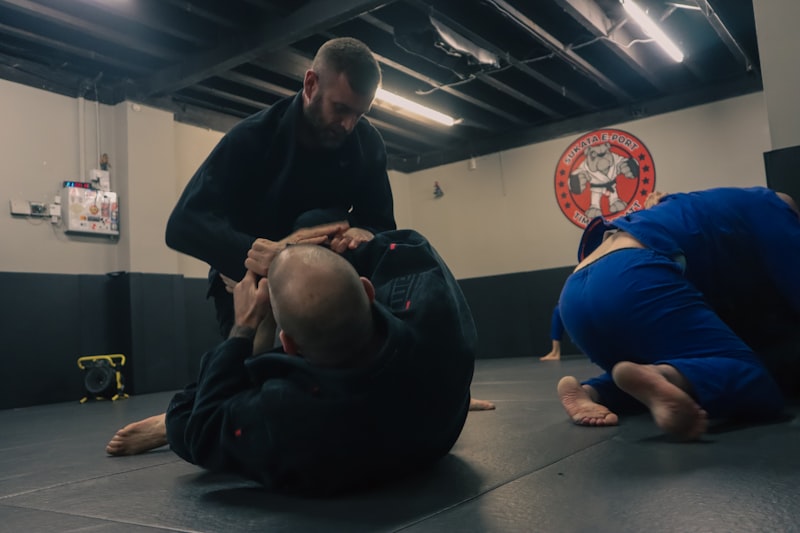
Knowing how to anticipate and counter common escapes is an essential skill for anyone focusing on maintaining side control. Opponents will try everything to break free, from hip escapes (shrimping) to frames and bridges.
A key tip is to “float” with your opponent when they move. If they try to turn into you, switch your hips or move to reverse kesa gatame. If they try to push you off, post your hand for base and switch to north-south control. By staying one step ahead, you never let them create enough space to break your grip.
Timing also matters. Attacking with submissions during their escape attempts forces them to defend, which disrupts their plan. For example, as they push your hips to recover guard, you can attack the far arm with a kimura or transition to mount if they overcommit their defense.
Furthermore, your transitions between side control, scarf hold, and north-south must be smooth. Effective grapplers drill these transitions until they can switch without losing position. This fluidity comes from understanding both the mechanics of each position and the timing of escapes.
Some academies use the “positional sparring” method, where you only focus on holding side control or escaping for set time intervals. This builds muscle memory for defending and countering escapes under real pressure.
Finally, pay attention to your opponent’s reactions. The moment you sense them shifting weight or framing, be ready to adjust arms, knees, or hips. Anticipation is key.
Using Frames and Grips: Control the Details for Maximum Stability
Small details with frames and grips often decide whether you keep or lose side control. In BJJ, your hands, elbows, and knees must constantly react to the other person’s movements.
First, use your frames to block your opponent’s arms from getting inside. The near-side underhook is critical. Losing this grip gives your opponent an easy path to escape. If you lose the underhook, immediately switch grips or step up to north-south control to deny space.
Your far-side arm can post on the mat or against their elbow to block bridging attempts. Because of this, you can stop common escape maneuvers before they succeed. In addition, gripping their belt or gi can stabilize your hold, especially in gi-based BJJ. In no-gi, overhooking the far arm or posting on their hip works well.
Hand position matters as much as hip or chest position. Adjust your grip strength to balance tight control and quick transitions. Over-gripping can slow your attacks, but loose grips let people escape.
Proper frame use also reduces energy output. Rather than muscling every movement, you use levers and angles. This saves energy for when you need to pass or submit. Precise grip changes enable fast reactions when your partner tries to buck or roll.
Practical example: When your opponent frames against your neck or hip, swim your arm inside their frame, flatten their elbow to the mat, and re-establish chest pressure. This keeps you in control and drains their energy.
In summary, expert use of frames and grips—whether in gi or no-gi—is what separates average side control from truly dominant positions in Brazilian Jiu-Jitsu.
Building a Strong Side Control Game into Core BJJ Progression
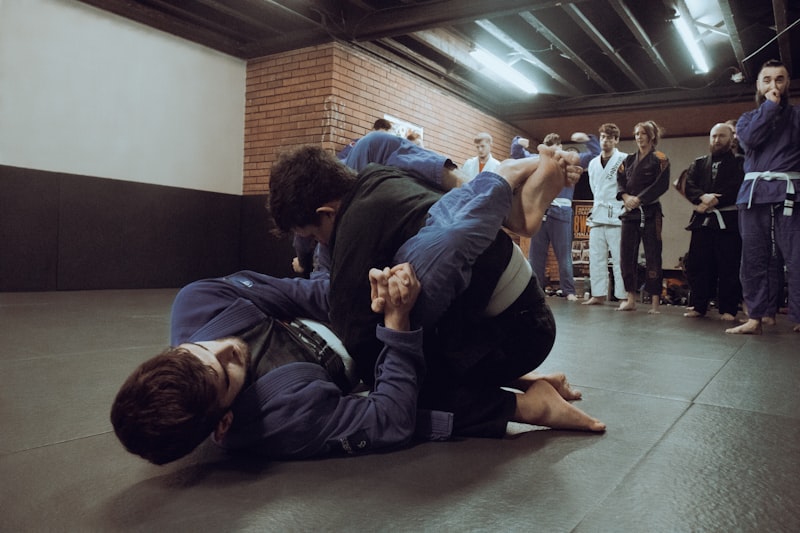
Staying effective long-term means constantly improving your core positions like side control. Therefore, building these tips for maintaining side control into your regular training pays big dividends.
Start every class with dedicated drills for positional maintenance. For example, ask your partner to try escaping side control for two minutes while you focus only on maintaining. Switch roles each round. This direct feedback shows you which details need work.
Next, watch high-level matches and instructional videos. Notice how champions in BJJ keep position, transition, and finish. Try to copy the small details, not just the big moves. Many instructors stress the importance of posture, pressure, and anticipation over flashy submissions.
In addition, combine your knowledge of side control with overall movement skills—bridging, hip-switching, and grip fighting. The more you can move while maintaining control, the less likely you’ll be caught off guard.
Over time, refine your approach as your body type, flexibility, and goals change. Some grapplers rely on speed and movement, while others use crushing pressure. Both styles work, but the main principles remain: good body position, pressure, and control of the opponent’s ability to move.
Finally, always focus on learning from each roll. After each sparring session, review where you succeeded or failed to hold side control. Ask your instructor or peers for feedback. Use this process to turn weaknesses into strengths, ensuring you never stop improving.
Conclusion
Holding side control is a skill that takes constant practice and attention to detail. By focusing on strong body alignment, smart pressure, quick transitions, and mindful grips, you set yourself up for long-term success. Each tip connects directly to the core positions and movements essential for Brazilian Jiu-Jitsu mastery.
Remember, the best grapplers in 2026 are those who refine the basics first. Start applying these strategies today and see your control, confidence, and success on the mat rise.
Ready to take your fundamental positions to the next level? Check out more beginner-to-advanced guides in our Core Positions & Movements section at ismartfeed.com, and keep building your side control dominance!