
Advanced guard sweeps for competition push athletes to refine their bottom game and stay ahead. In high-level matches, effective guard sweeps often mean the difference between winning or losing. These techniques help competitors move from defense to offense and take dominant positions.
Guard sweeps allow a practitioner to reverse their opponent and gain the top position. This article focuses on sophisticated sweeps in closed, open, and half guard—key systems vital for any serious competitor. We explain each, provide precise setups, and share practical tips based on real results in modern tournaments.
Whether you are a rising competitor or a coach, knowing these advanced techniques gives a clear edge. In fact, recent competition data shows that athletes who master such sweeps score more points and achieve higher podium finishes. Let’s explore the next level of guard sweeps in detail.
Key Principles of Advanced Guard Sweeps for Competition
Mastering advanced guard sweeps for competition starts with solid principles. First, understanding posture and balance is critical. Good sweeps do not rely only on strength. Instead, they use timing, leverage, and the opponent’s movement. Veja tambem: What Is a Guard System in Grappling? Key Fundamentals Explained.
In competition, closed guard sweeps like the hip bump or flower sweep work best against aggressive opponents. However, at advanced levels, simple pulls may not work. Competitors know how to shut down basic attacks. Because of this, success depends on setup and timing. For example, breaking the opponent’s posture before starting a sweep creates openings. Using grip changes and “off-balancing” — called “kuzushi” in judo — can force a reaction. As a result, the top player’s weight shifts. This is the perfect moment for a sweep. Veja tambem: List of Essential Guard Sweeps: Key Techniques for BJJ Success.
Another core principle is chaining attacks. Advanced players rarely try just one move. They link sweeps together. If the flower sweep fails, they switch to lumberjack or pendulum sweeps, for example. Similarly, from open guard, techniques like De La Riva and spider guard give chances to combine sweeps and submissions. These transitions keep the opponent guessing. Veja tambem: How to Counter Guard System Attacks: Strategies for Sweeps and Guard Structures.
Pressure and timing matter, too. For instance, waiting for the opponent to post their hand gives a window to attack. Skilled athletes have trained these reactions by watching top-tier matches. In fact, an analysis by BJJ Heroes reveals that over 60% of sweeps at black belt level come after disrupting balance or grip. Veja tambem: Top Tips for Improving Guard Sweep Success Rate in 2026.
In summary, focus on off-balancing, grip control, chaining attacks, and using an opponent’s movement. Train these core principles, and sweeps become sharper and more effective in live matches.
Closed Guard: Structure, Off-Balancing, and Sweep Combinations
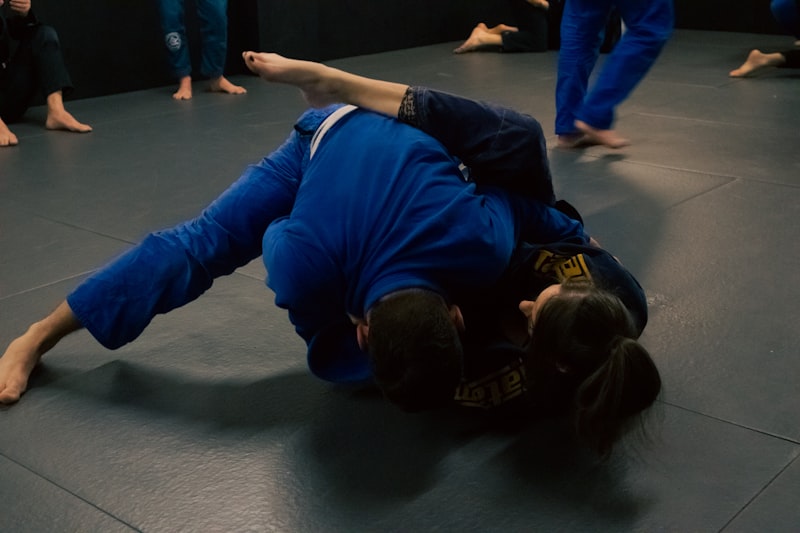
The closed guard is a classic structure, but its advanced sweeps still play a huge role in modern tournaments. Closed guard locks the opponent between your legs. This gives strong control of their posture.
To sweep effectively from closed guard, start by breaking posture. For example, pulling the head down while controlling an arm sets up strong attacks. Once posture breaks, move the opponent to the side using your hips or hooks. This off-balances them, limiting their base.
One effective sweep is the pendulum sweep. To set this up, use a cross-grip on the opponent’s sleeve and trap their arm. Then underhook their leg with your other hand. Swing your leg in a wide arc, like a pendulum. This motion tips their weight and turns them over. As a result, you land in mount or a dominant position.
Another advanced option is the flower sweep. Here, control the opponent’s sleeve and opposite ankle. Open your guard and angle your hips to the side. Kick your leg underneath while pulling the sleeve. The combined push and pull lifts their base, sweeping them over.
Competitors at all levels rely on these moves. However, adding combinations increases success. For example, fake a sweep to get a reaction, then switch to a triangle or armbar. Skilled competitors, like those seen in IBJJF finals and ADCC events, often link sweeps to other submissions or guard transitions. This forces the top player into mistakes.
In addition, chaining closed guard sweeps to open or half guard when under pressure maintains your attacking options. This makes your guard far harder to pass.
With each repetition during training, focus on timing and grips. In competition, these details separate successful sweeps from failed attempts. By refining structure, off-balancing skills, and attack chains, athletes turn the closed guard into a real threat.
Open Guard Sweeps: Modern Grips, Angles, and Timing
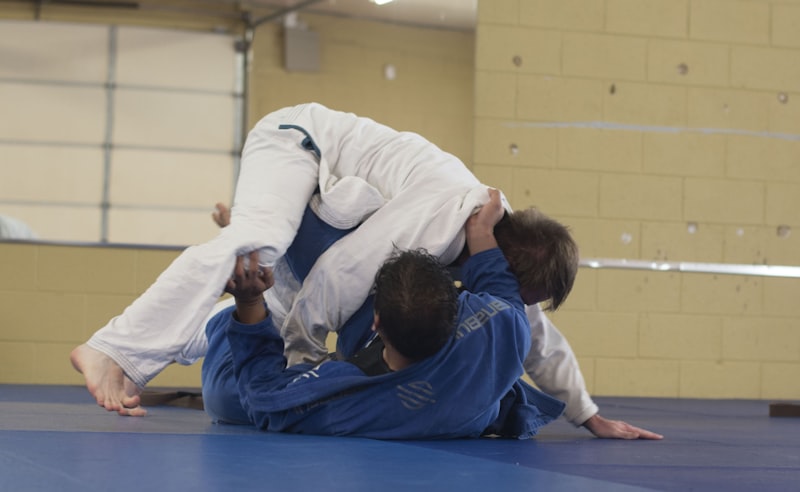
Open guard sweeps are central for advanced athletes in today’s tournaments. Open guard means your legs and hips are unconnected to the opponent’s body. This allows more freedom but requires strong grip and timing.
Popular open guard types include De La Riva, spider guard, and lasso guard. Each comes with its own set of advanced sweeps. For example, from De La Riva guard, competitors use the hook on the opponent’s leg and grip their ankle or sleeve. They off-balance by pushing and pulling, then kick under the far leg for a modified tripod or sit-up sweep.
One standout example is the berimbolo. This move, seen often at the highest levels, comes from an inverted De La Riva grip. The guard player grabs the far pant leg and spins under the opponent. The result is not only a sweep but also a direct path to taking the back. In fact, grapplers like the Mendes brothers built their competition success around this approach.
In spider guard, athletes rely on foot grips on the opponent’s biceps while controlling the sleeves. To sweep, they push one opponent’s arm while pulling the other, stretching their base. Then, by extending one leg and hooking the other, they tilt the opponent forward and tip them over. This spider sweep is highly effective when the opponent stands.
Timing is key in open guard. Advanced competitors use grip changes to set up sweeps, but also look for moments when the opponent shifts weight, posts a hand, or bases out wide. These details open up off-balancing and surprise attack chances.
Modern matches feature many creative open guard sweeps. According to Jiu-Jitsu Times, top athletes at the IBJJF World Championships win over half their matches with sweeps that start from open guard. Therefore, refining these techniques remains essential for anyone looking to compete at a high level.
Half Guard: Advanced Structures and Powerful Sweep Variations
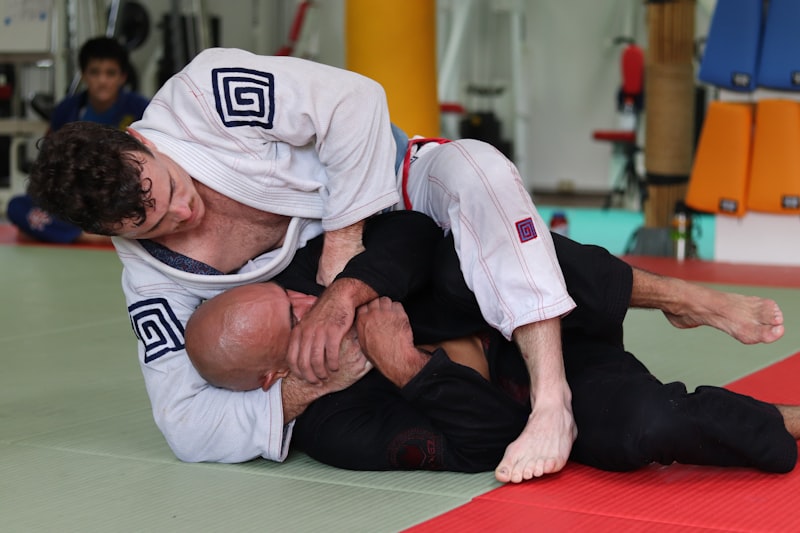
Half guard is another advanced position offering both safety and attack power. Unlike closed or open guard, half guard involves trapping one of the opponent’s legs while using the rest of the body to control distance. In competition, half guard is both a safe haven and a launching pad for sweeps.
The fundamentals of half guard sweeps rely on underhooks, knee positioning, and continuous movement. First, a strong underhook stops the opponent from flattening you out. With the underhook, move your upper body to the side. This allows space to move your hips and set up attacks.
One classic advanced sweep is the deep half guard. In this structure, the bottom player slides under their opponent’s hips, trapping one leg deep between their own. From here, a common sweep involves rotating under the opponent, lifting with your legs, and rolling to top position. This sweep counters heavy top pressure and helps smaller athletes reverse larger opponents. This is why deep half guard sweeps are a favorite in absolute division matches.
Another modern sweep is the knee shield variation. Here, use a knee shield to block the opponent’s upper body. While framing, attack their base by pushing the leg or grabbing the ankle. Combine this with an underhook to come up to the knees or sweep directly into side control.
Chain sweeps from half guard with submissions like kimuras or back-takes, as seen in competitions, give a strong mix of attacks. Experienced athletes, such as Lucas Leite, have used half guard sweeps almost exclusively to reach the podium. In fact, Leite’s leverage of knee shield and underhook combinations became a case study for adaptive competition strategy.
Finally, half guard demands constant movement and framing. It is vital not to let the top player flatten you. In live competition, switching between underhook attacks and knee shield setups is the key to breaking through heavy pressure and creating sweep chances.
Developing a Sweep Game Plan for Competition
Achieving success with advanced sweeps in competition requires a game plan. It’s not just about knowing many sweeps. Athletes must chain techniques and adapt to different opponents.
First, build a foundation by selecting two or three sweeps from each guard type. Drill these, focusing on timing and details. For example, combine the pendulum sweep and flower sweep from closed guard. Pair De La Riva and tripod sweep in open guard. Add two half guard sweeps, such as deep half and knee shield variations.
Then, create combinations. If an opponent defends the flower sweep, switch to an arm drag or triangle. In open guard, if the De La Riva sweep fails, transition to a berimbolo or back-take. By drilling these chains, your reactions become automatic.
In addition, study your competition footage. Make notes on which sweeps work best against aggressive passers versus more cautious opponents. Adapt your game plan for each style.
Training with resistance is vital. Practice sweeps with opponents giving full resistance so you can spot timing and grip changes. Compete in local and regional events to test your sweep combinations under pressure. Review footage after each match to see what must improve.
Statistically, athletes who focus on chaining attacks and open guard sweeps score higher in points. Analysis by BJJ Fanatics shows that competitors with three or more sweep combinations have, on average, a 25% better chance of reaching the semifinals.
Finally, refine your game plan before major events. Drill both your primary and backup sweep options. Practice against a range of body types, from lighter to heavier opponents. This builds confidence and sharpens your reactions in real matches.
Conclusion
In competitive grappling, advanced guard sweeps for competition are crucial for taking control from the bottom. Using structures like closed, open, and half guard, athletes can off-balance opponents and transition to dominant positions.
The key points are clear: Focus on posture breaking, grip control, timing, and chaining sweeps. Drill specific combinations that work against a variety of opponents. Study successful athletes and always adjust your game plan based on competition experience.
By mastering these advanced sweep principles, you set yourself up for greater success and more podium finishes. Start adding these sweeps to your training, and your bottom game will become a powerful weapon in any competition.