
When looking for comparisons of open guard vs closed guard in BJJ, it is essential to understand how each position shapes your grappling game. In Brazilian Jiu-Jitsu, guards are at the foundation of both self-defense and competition strategy. The open and closed guard are two common positions that every practitioner learns early on.
Although both provide control from the bottom, their mechanics and goals differ. By studying these core movements, you can choose the best guard for each situation. In addition, you can build a stronger foundation for passing, sweeping, and submitting.
In this article, we break down the differences, strengths, and limitations of each guard. Whether you are just starting BJJ or looking to refine your approach, knowing how these guards compare helps you progress faster.
Understanding the Fundamentals: Open Guard vs Closed Guard in BJJ
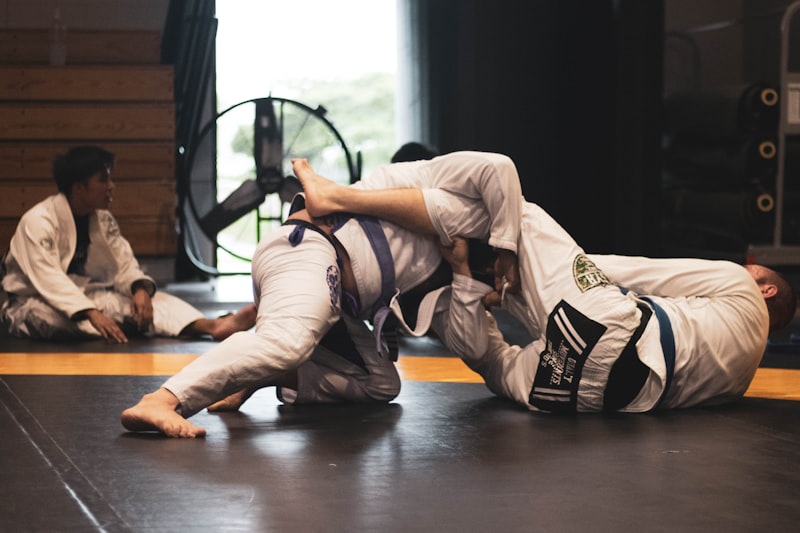
To start with comparisons of open guard vs closed guard in BJJ, we must first define them. These are not only basic positions but also represent different approaches to control and attack from the bottom. Veja tambem: Understanding Connection and Posture in Fundamental BJJ Positions.
Closed guard is the first guard most students learn. In this position, you wrap your legs around your opponent’s waist and lock your feet, closing the space. You use your legs and hips to control the opponent’s posture. Traditional closed guard limits your opponent’s movement. As a result, you can set up attacks and sweeps safely. Closed guard often forms the basis for learning basic submissions like the armbar or triangle choke.
Open guard, on the other hand, involves using your legs and feet to block, push, or hook your opponent. Both feet are not locked around their waist. Instead, you keep your legs open and active. This allows for more movement and creativity. Common types of open guard include spider guard, de la Riva guard, and butterfly guard, among others.
For example, when an opponent stands in your closed guard, you must open your legs to maintain control. Opening the guard leads to open guard variations. In summary, closed guard relies on control through containment, while open guard uses distance, grips, and hooks for defense and attack.
Research shows that closed guard was the most common guard in early BJJ competition history. However, as strategies evolved, open guard variations became frequent in high-level matches see this analysis. In fact, modern athletes mix both guards depending on their goals and their opponent’s style.
Finally, both guards have unique strengths and weaknesses that suit different body types, strategies, and rulesets. Because of this, understanding the core differences helps you choose the right guard for your game plan.
Why Are These Guards Fundamental in Core BJJ Positions?
Closed and open guard are fundamental because they allow you to defend, attack, or transition. If you are on your back, guards protect you from being passed or submitted. These positions form the basis for essential moves—escapes, sweeps, and submissions. Therefore, strong guard skills help you survive, control, and win from underneath.
Strengths and Weaknesses: Comparing Core Guard Positions
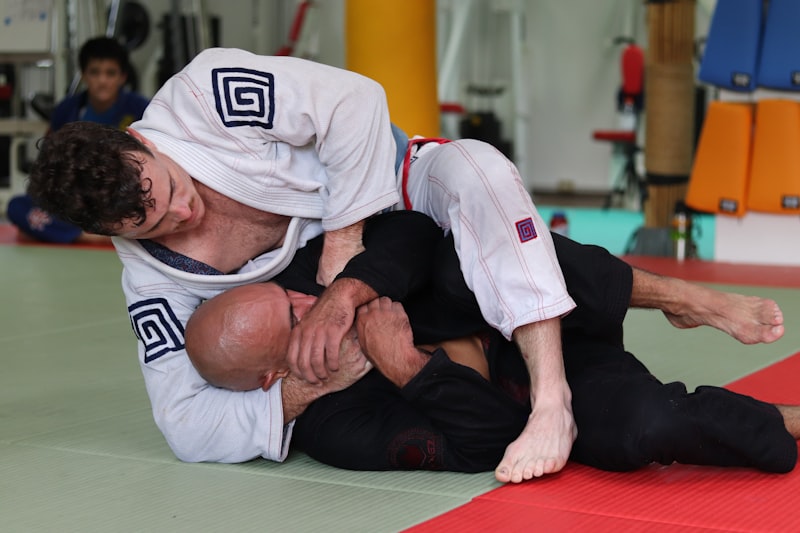
Next, let’s look at the main strengths of closed guard. The closed guard gives you a secure and controlled position. Your closed legs limit the opponent’s ability to back away or break your control. As a result, your opponent must focus on opening your guard before passing. This gives you time to develop attacks and defenses. In addition, you can use both arms and both legs to push, pull, or break posture.
Because you control the opponent’s hips and balance, closed guard supports powerful sweeps and classic submissions. For example, sweeps like the hip bump and scissor sweep are common from closed guard. Submissions, such as the triangle choke, armbar, and cross-collar choke, are available when you off-balance your opponent and break their posture.
However, closed guard does have weaknesses. First, if your opponent learns proper posture and base, the position can become stagnant. Good players will keep their hips low and posture upright. This makes it difficult for you to attack effectively, especially against larger or stronger opponents.
Additionally, in sport BJJ with points, referees can penalize inactivity. Therefore, if neither side improves position, stalling can occur. Advanced opponents may avoid risk by focusing just on breaking your legs apart. In some rule sets, using a closed guard can even disadvantage you if you cannot transition to offense.
Let’s turn to the open guard. Open guard offers dynamic movement and angles for attacks. Because you are not locked around the opponent’s waist, you can use hooks, grips, and foot placements in creative ways. This makes it harder for your opponent to predict your next move. In fact, open guard is ideal when facing standing or mobile opponents.
Types of open guard (like De La Riva and butterfly guard) allow you to sweep or submit from different distances. You can play a fast-paced, aggressive game. However, open guard often requires more athleticism, timing, and grip fighting skills. Because of this, beginners may struggle at first.
The downside to open guard is that it often exposes you to guard passes. Since your legs are not locked, your opponent can more easily move around and break your grips. It is essential to adjust your grips, angles, and hooks constantly to maintain safety. In summary, closed guard is secure but sometimes passive; open guard is fluid but demands more awareness and speed.
Practical data supports this breakdown. For example, in a study of IBJJF tournaments, matches featuring open guard had more sweeps and dynamic transitions than those played solely from closed guard (source). Nevertheless, high-level competitors mix both positions, switching as needed to maintain offensive options.
Core Movements and Transitions: Applying Guard Strategies in BJJ
One of the practical differences between open and closed guard in BJJ is how each supports movement. In closed guard, the priority is to control and limit movement—both yours and your opponent’s. Because your legs are locked around the opponent, you cannot quickly transition to other positions unless you open your guard first.
This controlled environment gives you time to think and plan. For example, you can set up an armbar by first breaking your opponent’s posture and then swiveling your hips. Each attack is usually prefaced by posture control.
Comparatively, open guard is built around movement. You often transition between open guards in response to your opponent’s actions. For instance, if your opponent stands, you can switch from spider guard to lasso guard or go directly for a sweep. Because of this, open guard is more flexible and allows you to adjust mid-match.
When looking at transitions, closed guard generally leads to mount or back control through hip-bump sweeps or arm drags. On the other hand, open guard offers a wider variety of sweeps, submissions, and inversions. You may move into De La Riva, X-guard, or even single-leg X in seconds.
For beginners, it is helpful to spend time learning transitions from both types of guard. By drilling sweeps and submissions from closed guard, you build fundamentals. As you gain skill and confidence, adding open guard transitions will expand your options and increase your adaptability.
To master these transitions, successful BJJ athletes use a blend of drilling and live sparring. John Danaher, a well-known BJJ coach, recommends learning closed guard first for safety and control, then open guard for variety and mobility see this interview. Because of this, both guards play important roles at all stages.
Choosing the Right Guard: Strategies for Different Body Types and Goals

One important question for students is which guard should I use in training or competition? The best answer depends on several factors. Body type, skill level, and ruleset all play a part.
Shorter or more flexible athletes often prefer closed guard. Their compact legs can clamp down and limit space, making it harder for opponents to open the guard. This gives smaller grapplers a way to neutralize bigger, stronger opponents.
On the other hand, longer-limbed or more athletic players may find open guard suits them better. Longer legs help when using spider guard, De La Riva, and other hooks for offense and defense. Taller athletes can create angles or use distance to sweep or submit.
Additionally, your experience level affects your guard choice. Beginners often start with closed guard because it provides safety. They can focus on learning basic attacks and posture control without constantly fighting to maintain position.
As they progress, students usually mix in open guard skills. For instance, white belts often spend up to 60% of guard time in closed guard. By blue belt, most academies encourage students to explore open guard for improved mobility and strategy.
For competitors, match tempo and rules matter. Points-based tournaments typically reward sweeps from open guard. Submission-only tournaments may see more closed guard, as players hunt for armlocks and triangles.
In Nogi competitions, open guard is more common, as sweat makes it harder to maintain closed guard. For gi competitors, both guard types see regular use, with many transitions between the two during a single match.
To summarize, there is no perfect answer. The strongest BJJ players train both guards, adapting as needed. For example, top-level competitors like Marcelo Garcia and Mikey Musumeci use multiple guards successfully, switching between them to exploit their opponent’s weaknesses. Therefore, experiment with both positions to find what suits your body and goals best.
Drilling and Training Tips: Building Effective Guard Skills
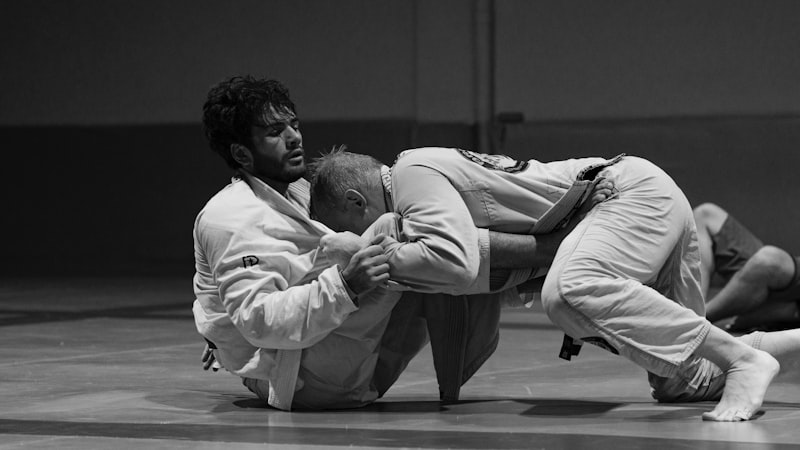
Mastering core positions such as open and closed guard requires structured training. Consistent drilling and focused sparring help you internalize the movements and transitions unique to each guard.
For closed guard, key drills include breaking posture, hip movement, and chaining submissions. For example, spend time practicing the sit-up sweep followed by quick transitions to armlocks or triangles. Focus on controlling sleeves and collars, especially in the gi, as grips are essential for success. Warm-up drills can include hip escapes and triangle setups to improve control.
For open guard, drills should emphasize foot placement, grip fighting, and transitions between different guard types. In addition, practice spider guard and De La Riva motions with a partner, learning how to reestablish hooks or regain control if your opponent tries to pass. Butterfly guard sweeps, such as the basic hook sweep, help with timing and balancing movement.
Positional sparring can be invaluable. Set a timer and start in closed guard, with the goal of either submitting or sweeping within a time limit. Switch roles regularly to work both offense and defense. Similarly, begin rounds in open guard and allow only sweeps, submissions, or guard passes. This builds response time under stress and helps identify areas for growth.
Reviewing footage of high-level matches can also enhance your understanding. For example, analyze how modern athletes transition between closed and open guard in the same match. As a result, you gain insight into movement choices at the highest level (a sample resource).
Finally, ask your instructor for feedback. Be open about your strengths and weaknesses. BJJ is a long journey, and small improvements in core positions add up over time.
Conclusion
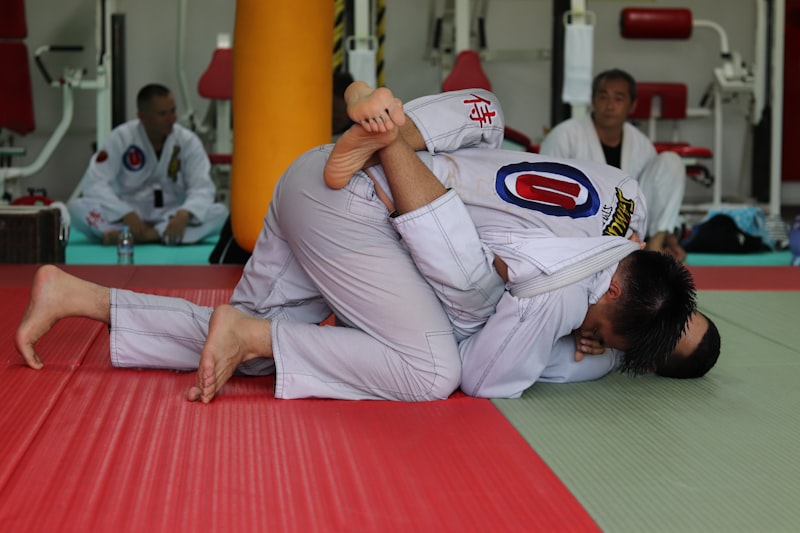
In summary, comparisons of open guard vs closed guard in BJJ highlight how these core positions lay the foundation for every grappler. Closed guard offers control, security, and focused attack opportunities. Open guard provides dynamic movement and a wide range of offensive options.
Both guards have unique strengths and weaknesses. By mastering them, you gain control over your training and competition outcomes. Experiment with each, train transitions, and seek feedback from instructors. With time, you will find the right guard for your body type, skill level, and personal strategy.
If you want to build effective core positions—and become harder to sweep, pass, or submit—start practicing both closed and open guard regularly. For more tips and deep dives into fundamental BJJ positions, explore our full library at ismartfeed.com.