
If you want to know how to build a strong BJJ foundation, focus on mastering the basics and developing the right habits early. Brazilian Jiu-Jitsu (BJJ) rewards athletes who understand and drill core concepts over those who rely only on athleticism.
Building a solid base means more than learning fancy moves. Instead, you need to grasp fundamental techniques, control your mindset, and build routines that support lasting growth. Therefore, you will progress faster and stay resilient throughout your BJJ journey.
This guide from ismartfeed.com will walk you step-by-step through the best ways to strengthen your base in BJJ. Whether you are just starting or refining your blue belt game, you will find proven strategies and practical advice to set yourself up for success.
Why the Fundamentals Matter in BJJ
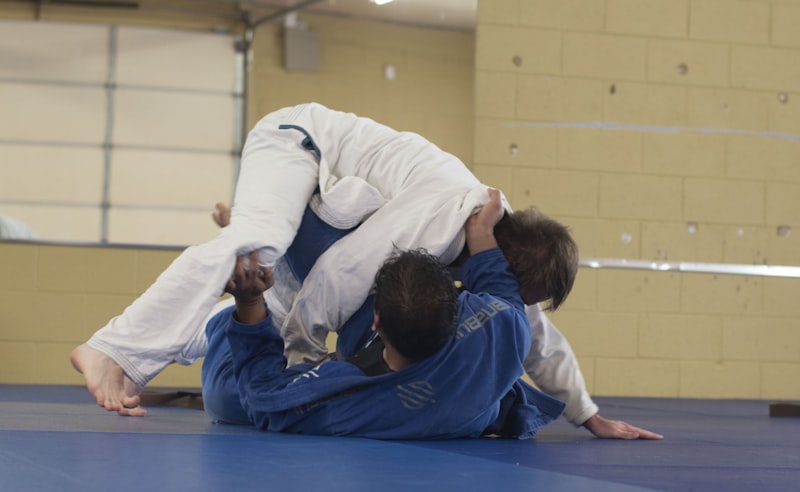
Many people enter BJJ excited by highlight reels and advanced submissions. However, the root of success in this sport lies in understanding and applying solid fundamentals. Beginners sometimes overlook this fact because advanced techniques look more impressive. As a result, skipping the basics often leads to frustration or stalled progress.
Fundamental skills include proper posture, base, balance, escapes, and guard retention. These elements serve as the foundation for all other techniques. In fact, you will find that world champions drill these same positions daily, no matter their rank. For example, Saulo Ribeiro, a six-time world champion, famously states, “If you don’t need it white to black belt, you don’t need it at all.” This means that simple movements and concepts matter the most, even for top competitors.
Understanding leverage, frames, and pressure will improve your defense. Because of this, you become harder to submit and can recover position confidently. Good fundamentals also boost your offense. For example, strong posture in closed guard makes it easier to open and pass.
In recent years, coaches such as John Danaher have emphasized that beginners must invest time in retention and escapes. According to BJJ Fanatics, most failed submissions and sweeps come from mistakes in the basic setup, not from advanced details. Therefore, building a strong base gives you advantages in every round.
Finally, beginners who focus on the foundation progress more quickly, enjoy training more, and reduce risk of injury. For these reasons, embrace repetition, focus on the small details, and never skip the warm-up drills. This approach is the surest way to excel in Brazilian Jiu-Jitsu.
Core Technical Skills Every BJJ Practitioner Needs

Technical skills form the backbone of your BJJ development. While BJJ has thousands of techniques, only a small set appears in almost every match or roll. By mastering these moves, you will solve most problems on the mat.
First, learn how to properly shrimp (hip escape) and bridge. These movements help you escape bad positions such as mount and side control. Many high-level practitioners credit their escape drills for their ability to stay calm when under pressure. In addition, the technical stand-up allows you to get back to your feet safely if you are knocked down. Drill these three movements regularly. For example, dedicate 10 minutes during your warm-up to each, focusing on smooth, controlled motion.
Guard retention is another critical skill. If you cannot keep your guard, you will spend more time defending than attacking. Practice frames, grips, and movement to maintain your guard against opponents’ passes. Ryan Hall’s instructional materials show that good guard retention beats strong passing attempts most of the time.
Passing the guard is a top priority. The knee slice and over-under are two passes you should know early. Drill these with a partner and have them resist at 50% to simulate real rolling conditions. Therefore, decision-making and timing become second nature.
Next, focus on sweeps and submissions. The scissor sweep, hip bump sweep, cross collar choke, and armbar from guard are proven techniques for all levels. For example, the scissor sweep uses leverage, not brute strength. If you master this, you can sweep bigger and stronger partners.
Learn how to grip properly and break grips. Good grip fighting is vital in both gi and no-gi BJJ. As a result, you conserve energy and control the pace of a match.
Finally, balance drilling with live rolling. Drilling gives you clean mechanics while rolling tests your reactions. In summary, repeat core movements daily, watch reputable instructionals, and always ask for feedback from higher belts.
Using Games and Drills to Reinforce Basics
Playing specific games can help make learning fun and effective. For example, play the “guard retention game,” where one partner tries only to pass while the other focuses on keeping the guard. In addition, positional sparring, where you start in specific positions and escape or submit, reinforces the value of fundamentals.
Many gyms now use these drills as part of beginner classes. The reason is simple: focused practice builds competency faster than endless open rolling.
Building Strong Mental and Physical Habits
Knowing techniques is important. However, developing strong mental and physical habits is just as critical for progress in BJJ. Therefore, you must pay attention to both mindset and physical routines from day one.
First, approach every class with an open mind and willingness to learn. Many white belts feel embarrassed about tapping or making mistakes. Instead, see each error as a lesson. As a result, you build mental resilience and confidence. According to a study from Harvard Health, mindfulness and focusing on the present moment can reduce anxiety and improve learning in sports.
Another key habit is consistency. BJJ is a marathon, not a sprint. Attending at least two to three classes each week helps solidify techniques and build body awareness. If you skip classes or train sporadically, your progress will slow. In other words, a regular training schedule beats random bursts of hard work.
Physical habits also count. Good BJJ players develop strong joints, core, and grip. To do this, supplement your training with functional strength exercises such as pull-ups, planks, and grip strengtheners. In addition, regular stretching and foam rolling can prevent injuries and improve recovery. For example, spending just 10 minutes on mobility each night can increase range of motion and help with techniques like the triangle choke.
Nutrition is another key factor that beginners often ignore. Eating enough protein and staying hydrated will boost your recovery and energy. Because of this, you can train harder and more often. Avoid crash diets or trends. Instead, use proven, balanced nutrition guidelines suited for athletes.
Another essential habit is setting small, clear goals. For example, focus on escaping mount this week or passing guard the next. This approach breaks BJJ into manageable steps and builds your confidence.
Finally, remember that rest is as important as drilling. Make sure you get enough sleep and listen to your body. Overtraining can lead to burnout or injuries. In fact, the best athletes credit their progress to smart rest as much as hard work.
The Role of Smart Learning and Feedback in BJJ Progression
Smart learning strategies can help you build a strong base more quickly. Rather than simply “showing up and rolling,” set clear objectives for every class. For instance, if you struggle with getting trapped under side control, spend a week focusing only on escape drills from that position.
Seek feedback from coaches and teammates. Ask specific questions such as, “Where was my posture weak?” or “What did I miss during my guard pass?” As a result, you get tailored advice and avoid repeating the same mistakes.
Watching instructional videos can supplement live training. However, do this wisely. Stick to trusted sources and start with content focused on the basics. For example, Gordon Ryan and Bernardo Faria both offer beginner-friendly breakdowns of core positions and concepts. Limit yourself to one new technique per week. Master the details before moving on.
Taking notes after class helps cement lessons. Write down what worked, what failed, and one thing to try differently next time. Over months, this notebook becomes your personal BJJ playbook.
Film your rolls if possible. Watching yourself on video often reveals mistakes you did not notice during live rolling. For example, you may see that your hips drop during certain passes, causing you to lose balance. Because of this, video review is a powerful tool for rapid improvement.
Studying with others can speed learning, too. Form a “study group” with other white and blue belts. Meet once a week after class for drills, sharing feedback, or reviewing techniques together. This practice builds community and keeps your progress accountable.
Common Pitfalls to Avoid
Do not chase advanced techniques too soon. Many new practitioners get distracted by flashy movements seen on YouTube. This habit leads to weak basics and poor results in sparring. In addition, do not skip warmups or positional sparring. These drills prepare your body and mind for the challenges of live rolling.
Similarly, avoid neglecting rest days. Constant fatigue leads to sloppy technique and injuries. Therefore, build your training schedule with space to recover.
Finally, check your ego at the door. Tapping out is not a failure—it is part of the process. If you resist learning from losses, you will stagnate.
How to Integrate Your BJJ Foundation with ismartfeed.com’s Learning Approach

At ismartfeed.com, we believe that learning best happens when you blend strong theory with regular practice. Integrating your foundational skills with a structured and smart learning approach sets you apart from other beginners.
First, use digital resources to reinforce your training. For example, read articles or watch beginner BJJ series on ismartfeed.com. These resources break down complex moves into easy steps and offer feedback from experts. As a result, you build a more holistic understanding of the art.
Many people now use training journals or learning apps. By tracking each session, you can see patterns in your progress. For instance, logging your successful escapes and failed sweeps shows you areas to focus on next week.
Moreover, leverage online forums or communities to get advice and support. Platforms like ismartfeed.com often feature Q&A sections, live stream classes, and breakdowns by advanced coaches. Participating in these forums gives you a sense of belonging and extra motivation.
In addition, stay updated with technique breakdowns from world-class instructors posted on ismartfeed.com. These breakdowns use clear language and focus only on critical fundamentals—not flashy, one-off moves. You learn to identify why certain grips, positions, and escapes work at all belt levels.
Building a strong BJJ base is not just about time on the mats. It is about learning smarter, not harder. Online content from ismartfeed.com helps connect real-world drilling with deeper theory. For example, combine a week’s worth of passing drills with an article that explains posture and leverage.
Finally, use goal tracking and milestones. For instance, ismartfeed.com offers checklists for each level. Checking off technical and fitness milestones each month boosts confidence and gives you a roadmap to follow. This approach prevents plateaus and makes every class feel meaningful.
Conclusion
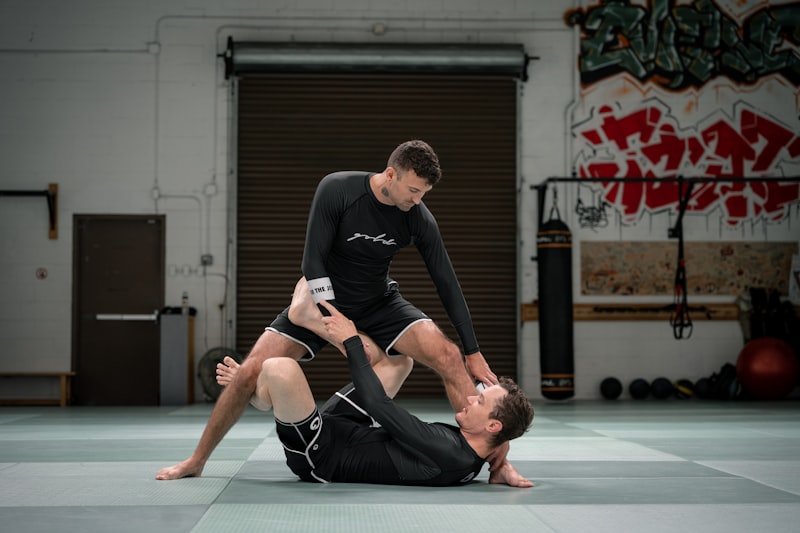
Building a strong BJJ foundation is a long-term effort. Start by focusing on the core techniques, mastering movements like shrimping and guard retention. In addition, develop habits—mental and physical—that support steady progress.
Consistent training, openness to feedback, and using digital resources such as ismartfeed.com will help you progress faster. Remember, no one succeeds in BJJ alone. Learn from peers and use every resource available. In summary, if you build your fundamentals from the ground up, every advanced move becomes easier—and more effective—down the road. Start now, stay patient, and your foundation will carry you forward for years to come.