
The fundamentals of jiu jitsu are the building blocks for anyone new to this martial art. In fact, mastering these basics will help you defend yourself, get fit, and improve your problem-solving skills.
Jiu jitsu focuses on grappling, ground control, and submissions rather than strikes or brute force. Because of this, it appeals to people of all ages and body types. In this comprehensive guide, you will learn about the essential techniques, the key positions, and how to grow as a student in 2026.
Understanding the Fundamentals of Jiu Jitsu
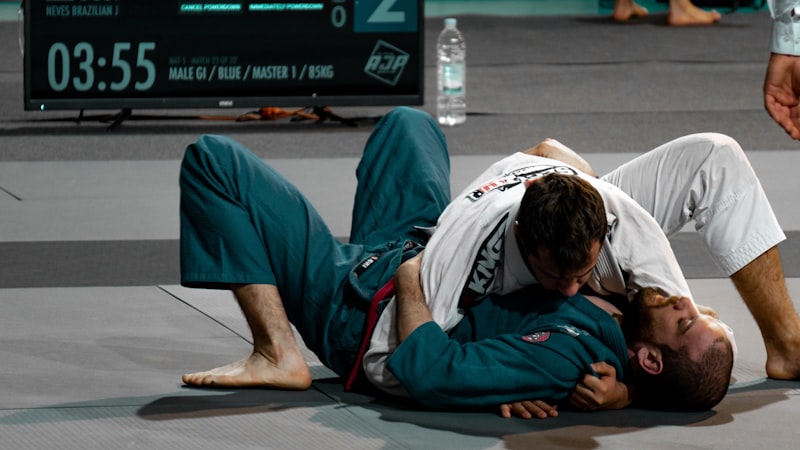
At its core, jiu jitsu teaches leverage, balance, and control. These concepts matter more than size or strength. The main idea is to use technique to outmaneuver an opponent, no matter how strong they are.
Therefore, you will see a strong focus on position before submission. That means you should first control your opponent and get into a safe and dominant spot. Only then, you can finish with a submission. Veja tambem: What Are the Core Principles of BJJ? Essential Guide for 2026.
For example, imagine a smaller person pinning a much larger person to the ground. The person on top uses their body weight, hips, and pressure. They do not rely on pure force. This is the essence of jiu jitsu technique. Veja tambem: Overview of Advanced Persistent Threat Techniques: Key Methods in 2026.
Another fundamental is learning to defend yourself from the bottom. You must keep your elbows close, protect your neck and arms, and use your legs for distance. This guard position is key for both defense and attack.
In addition, jiu jitsu encourages constant movement and smart choices. If one move does not work, you flow to the next. As a result, you develop problem-solving skills and adaptability.
Jiu jitsu also places a strong emphasis on respect and safety. Students bow before entering the mat, learn to tap when caught in a submission, and train with partners of all skill levels. Because of this, practitioners build confidence and friendships.
Every class covers basic drills and simple techniques before advanced moves. In summary, anyone interested in self-defense or martial arts should start with these core concepts.
The Origins and Growth of Jiu Jitsu
Jiu jitsu started in Japan as a method for samurai to defend themselves when they lost their weapons. Over time, it spread to Brazil and became Brazilian jiu jitsu (BJJ) in the early 1900s.
Today, BJJ is practiced worldwide. According to the International Brazilian Jiu-Jitsu Federation, there are over 2.5 million active practitioners as of 2026. Jiu jitsu’s growth is fueled by its inclusion in mixed martial arts (MMA) events and its reputation for practical self-defense.
Essential Positions and Movements
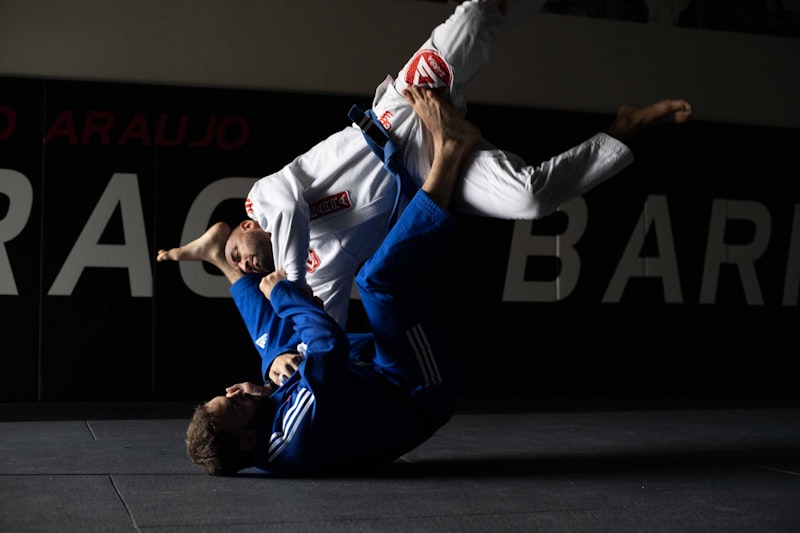
To truly grasp the basics, you need to know about the main positions in jiu jitsu. These positions lay the foundation for both defense and offense.
The most fundamental positions are:
- Guard (closed, open, half)
- Mount
- Side control
- Back control
- Turtle position
- Rear-naked choke
- Armbar
- Triangle choke
- Kimura and Americana shoulder locks
- Guillotine choke
Each one offers unique strengths. For example, the guard allows you to fight from your back with your legs wrapped around your opponent. The mount gives you top position with good control and many submission options.
Let’s break down some of these further.
The closed guard is where you lie on your back and wrap your legs around the opponent’s waist. This position lets you limit their movement and attack with chokes or arm locks. Many beginners spend a lot of time learning how to remain safe and effective from the guard.
The mount is another critical position. You sit on top of your opponent’s chest or hips. Here, you use your knees and hips for pressure. The mount gives you a lot of control and access to submissions like the armbar or collar choke.
On the other hand, side control means you pin your opponent’s shoulders to the mat from the side. It offers many transitions to mount, north-south, or submissions.
Back control is a very powerful spot. It means you are behind your opponent, often with your legs hooked around their waist (like seatbelts), which is ideal for applying the rear-naked choke, one of jiu jitsu’s most famous finishes.
The turtle is a defensive position. The bottom person buckets up on hands and knees, trying to avoid being flattened out or choked.
Practicing these positions helps you learn which spots are strong and which ones are dangerous. Knowing when to advance or escape positions makes you harder to beat.
Core Movements and Drills
Besides positions, core movements create the muscle memory you need for success. Drills like shrimping (hip escape), bridging, technical stand-ups, and rolls are musts for any beginner.
Shrimping, for example, is when you push off the mat with your foot and hips to escape from beneath the opponent. Bridging involves arching your hips to lift your opponent off you.
Technical stand-up is a safe way to get to your feet while protecting your head, which is important for both sport and self-defense.
Because of this, coaches often start each class with these drills. Repeating them builds confidence and agility, both of which pay off in live sparring.
Submissions and Escapes: The Heart of Technique
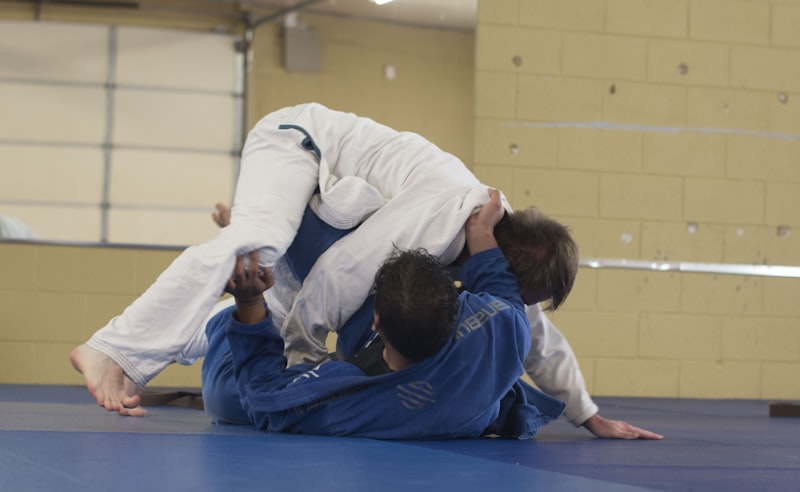
Submissions turn jiu jitsu from wrestling into a complete martial art. These are locks or chokes that force an opponent to surrender. While learning submissions is exciting, it is even more important to know how to escape from them.
Some of the most common submissions include:
For example, the rear-naked choke targets the neck from behind. It can end a fight in seconds if applied correctly. The armbar isolates and hyperextends the elbow. The triangle uses the legs to choke an opponent trapped between your thighs and calf.
According to data published by BJJ Heroes, armbars and rear-naked chokes are the top finishing moves in competitions worldwide in 2026. These techniques do not require much strength, which makes them very effective.
Equally important are escapes. Defending against basic submissions is the first thing every student learns after positions. You must tuck your chin, keep your elbows close, and use your hips to escape.
For instance, when caught in an armbar, the main escape is to turn your thumb toward your opponent, then pull your arm out while pushing your hips in the opposite direction. Small, simple movements can save you from losing a match or getting hurt.
Regular drilling of both submissions and escapes builds coordination and mental awareness. In addition, it teaches students to stay calm under pressure.
The Role of Strategy and Mindset in Jiu Jitsu
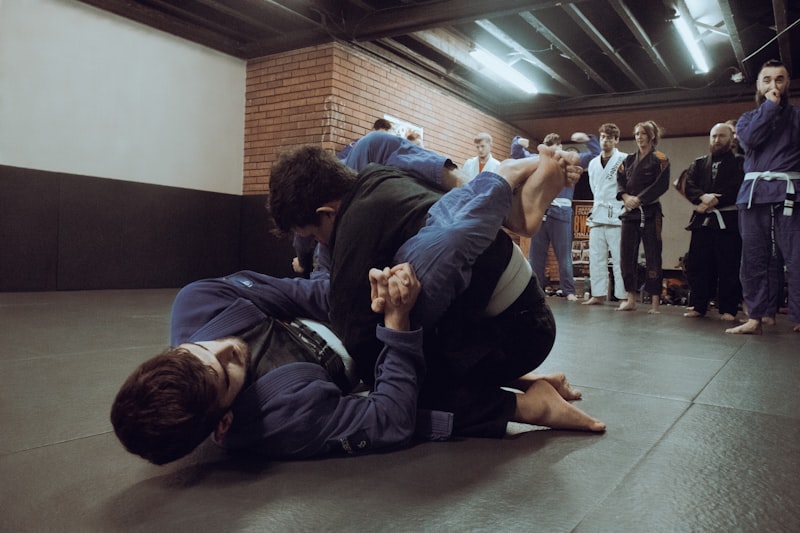
Success in jiu jitsu comes not only from athleticism, but also from strategy and mindset. Planning your moves and staying calm are just as important as any physical skill.
First, jiu jitsu is like a game of chess. You need to think ahead and read your opponent’s intentions. For example, if you grab their arm, they might try to pull away or roll out. You can react to these moves and plan your next attack.
Second, having a growth mindset is essential for progress. Everyone loses in training — often and in many ways. In fact, learning from these losses is what drives improvement. For beginners, it’s easy to get frustrated or compare yourself to more advanced students. However, focusing on constant improvement instead of quick wins builds solid skills.
In addition, respect for your training partners helps you grow. You learn from each other and keep sparring safe and enjoyable. At most reputable gyms, there is a strong culture of mutual support and encouragement.
Breath control and managing stress are also key parts of jiu jitsu mindset. Deep breathing helps you conserve energy and react calmly to attacks or escapes. Staying relaxed prevents injuries and makes it easier to spot openings.
Lastly, setting small, realistic goals leads to long-term progress. Many beginners focus on earning a blue belt, but smaller goals, such as mastering escapes or drilling consistently, bring steady success.
Practical Applications and Benefits Beyond the Mat
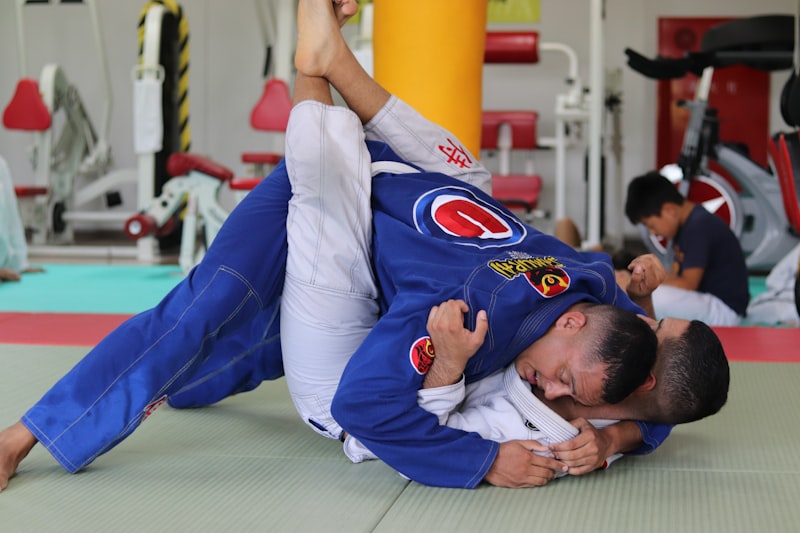
Jiu jitsu offers real-life benefits that go far beyond the gym. Self-defense, health, and personal growth are only some of its rewards.
First, the self-defense value of jiu jitsu is well known. Many law enforcement agencies and military units in the United States use jiu jitsu as a standard part of their hand-to-hand training. This is because it does not rely on size or strength and can help subdue a larger or more aggressive attacker safely.
According to a 2026 report from the National Institute of Justice, agencies that include BJJ in their programs see a 26% drop in officer injuries and a 35% increase in safe subject control incidents.
In addition, practicing jiu jitsu improves your fitness. You build real functional strength, flexibility, and cardio — all while learning valuable skills. Practitioners burn between 500 and 1,000 calories per class, depending on the intensity.
Jiu jitsu also boosts mental health. The mat is a great place to relieve stress, clear your mind, and focus on the present. Many people report feeling more confident and resilient after regular training.
For children and teens, jiu jitsu instills discipline, respect, and healthy competition. In fact, many parents enroll their kids to develop grit and learn self-control.
Lastly, jiu jitsu builds community. Gyms are known for their welcoming and diverse culture, bringing together people from all backgrounds. Many lifelong friendships and career connections begin on the mat.
Conclusion
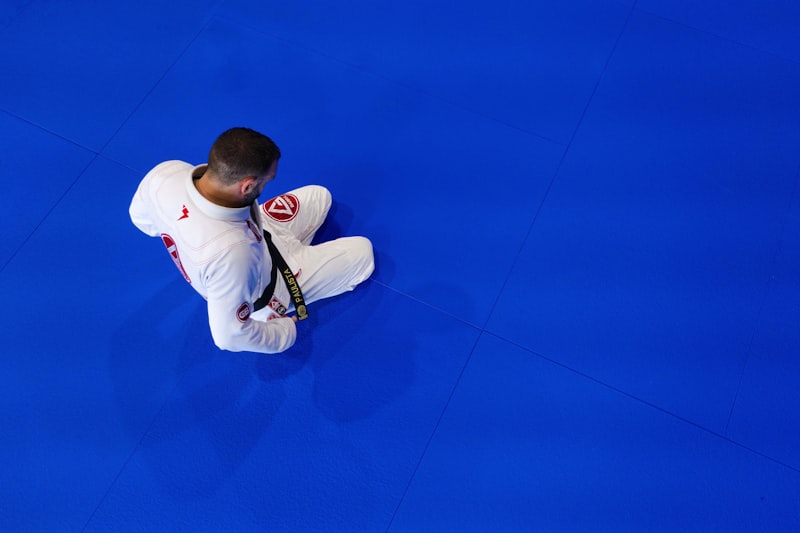
The fundamentals of jiu jitsu create a strong base for any student, no matter their age or background. Mastering core positions, movements, and mindset helps you stay safe, get fit, and defend yourself in countless situations. Jiu jitsu teaches much more than fighting. It builds character, discipline, and lifelong skills.
If you’re ready to start, look for a local gym in 2026 and try a beginner’s class. Remember, the journey begins with a single step — and real progress happens when you commit to the basics, week after week.