
Learning how to analyze competition rules effectively is one of the most important steps in preparing for combat sports tournaments. Good rule analysis can make the difference between winning or struggling, especially in highly regulated events like those run by the IBJJF.
Many athletes focus on physical prep and neglect the crucial details found in competition rulebooks. However, understanding these details helps create smarter game plans and avoid common mistakes. In fact, knowing the exact scoring, penalties, and exceptions can give you a tactical advantage against less-prepared opponents.
In this article, you will learn practical methods for breaking down any rule set. You will see real examples from IBJJF tournaments and get ready to apply these insights for your next big event.
How to Analyze Competition Rules Effectively for IBJJF and Similar Events

If you want to truly master how to analyze competition rules effectively, start with a structured approach. Many competitors skim rulebooks and miss subtle but critical points. Instead, follow a process that uncovers every detail and prepares you for any scenario. Veja tambem: Importance of Following Tournament Rules: Key for Fair BJJ Competition.
First, always get the latest rules directly from the official organization. For IBJJF, that means visiting the official IBJJF Rules page. Download the PDF or view it online. Each year, rules can change, and even small changes can affect your matches. Veja tambem: How to Handle Rule Changes in Competitions: The Essential 2026 Guide.
Next, scan through the main sections: scoring, fight area, uniforms, penalties, and special conditions. Highlight or take notes on new or unclear points. For example, the IBJJF gives advantages for near-sweep attempts, not just completed sweeps. Missing details like this can cost you crucial points. Veja tambem: Skill Improvement Tips for Tournament Prep: Your Key to IBJJF Success.
After your first read, organize your notes into sections that match your training priorities. If you play guard, pay extra attention to sweeps, back takes, and submission attempts. On the other hand, if you are a passer, dig deep into positional scoring, edge-of-mat rules, and stalling penalties. Veja tambem: Rules Comparison for Various Tournament Types: Detailed Guide 2026.
In addition, look for common rule misunderstandings. For example, in IBJJF events, “knee reaping” results in instant disqualification for some belts. Know exactly what reaping is and how to avoid accidental fouls.
Finally, put your findings into action. Drill specific scenarios with your training partners that test these rule elements. For instance, simulate matches where you have to escape a penalty situation or score advantage points in the last minute.
Using this approach helps you avoid surprises. It builds the confidence that comes from knowing you are fully prepared for every aspect of competitive play.
Example: Real Impact of Rule Changes
In 2026, IBJJF clarified their rules about stalling penalties. Many competitors got penalized for holding single positions too long. Those who read the updated rulebook and trained with strict time limits saw fewer penalties and advanced further in tournaments.
Therefore, always check for yearly updates and adapt your training plans as needed. This practice is vital for staying at the top of your game.
Breaking Down Scoring and Advantage Rules: What Makes the Difference

Understanding how points and advantages are awarded is key when you analyze competition rules for grappling events like IBJJF tournaments. In fact, subtle differences in scoring criteria can change match outcomes.
First, review the main scoring actions. In IBJJF, you earn 2 points for a sweep or takedown, 3 for passing guard, and 4 for mount or back control with hooks. However, each action has specific requirements. For example, the passing guard position must be held for three seconds, or the referee will not give points.
In addition, IBJJF uses a unique “advantage” system. This system rewards you for near completion of sweeps, submissions, or guard passes. For example, if you almost finish an armbar but your opponent escapes, you may still earn an advantage point. Advantages can break ties, which is why they play a vital role in close matches.
Many competitors do not train with advantages in mind. However, drilling scenarios where you aim to “almost score” can help you understand what refs look for. Watching event footage on YouTube or IBJJF TV, note when refs award advantages. Ask your coach to referee your training matches and apply these standards.
Statistics show that in 2025-2026, up to 30% of matches at major IBJJF tournaments, such as Pan Ams and Worlds, were decided by advantages or penalties instead of clear points. Because of this, learning to maximize your chances for advantages can be as important as scoring full points.
Another key point is knowing what does NOT score. For example, certain guard pulls, sweeps, or reversal techniques may not earn points if not executed under the right conditions. Reviewing both written examples in rulebooks and live footage will help clear up these gray areas.
Finally, revisit penalty and stalling rules. Penalties reset every match. They often escalate quickly—first as a warning, then as points for the opponent, and finally disqualification. For top competitors, a single penalty can mean the end of a championship run.
Applying Rule Analysis to Tournament Preparation and Strategy
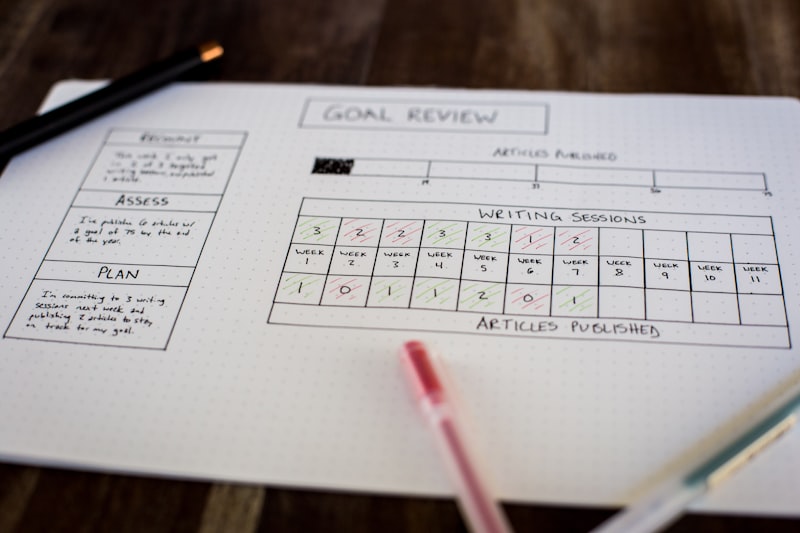
Knowing how to analyze competition rules effectively becomes very powerful when you apply it to your personal game. Many World and National champions say that “knowing the rules is as important as knowing the moves.” Here’s how to convert rule knowledge into winning strategies for your next IBJJF or similar gi/no-gi event.
First, make a list of the techniques and strategies you prefer. Then, check each one against the rulebook. For example, if you use footlocks, ensure you know the exact rules for legal grips, leg entanglements, and attack positions per your belt level.
Next, test these scenarios in training matches. Ask coaches or experienced referees to watch and call out rule violations or scoring opportunities live. This feedback helps sharpen your awareness under real match conditions.
For game-planning, identify high-percentage points and advantages. For example, if you often get close to passing but struggle to stabilize, change your training to focus on staying tight and holding the pass for at least three seconds, which meets IBJJF’s criteria.
On the other hand, use your knowledge to create “trap” situations. For example, baiting an opponent into a stalling penalty if they refuse to engage. High-level competitors in 2026 are known for using rule-based strategies to win tough matches, especially when skill levels are similar.
Furthermore, learn about potential DQ situations. In IBJJF, certain submissions, like heel hooks, are not allowed in all divisions. Double-check your division’s specific allowances. There are cases each year where favorites are disqualified due to simple legal mistakes.
If possible, attend referee seminars or watch review sessions, even if online. Seeing how referees interpret rules in live time offers insights no manual can provide. IBJJF and other major organizations now provide official seminar recordings for continuing education.
Lastly, keep a running “rules checklist” before each tournament. Review key points with training partners. This habit prevents costly last-minute mistakes and sets you apart from less-prepared competitors.
Improving Your Rule Analysis with Practical Tools and Teamwork
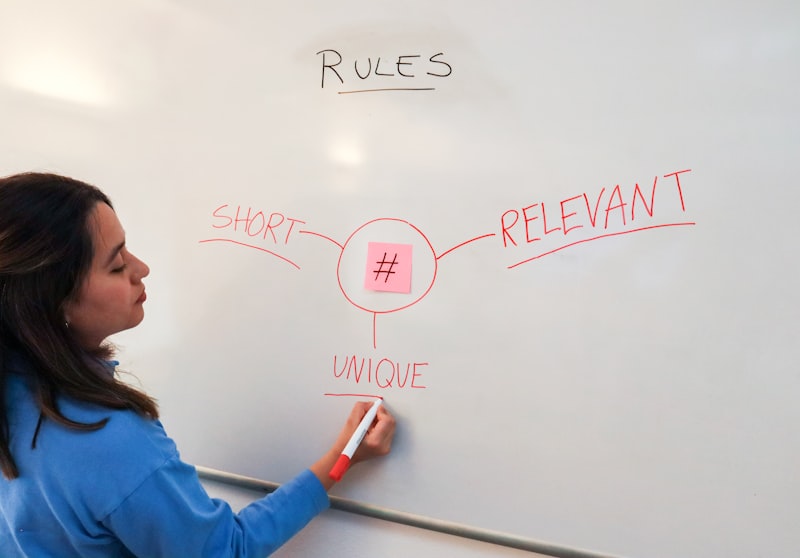
Today, many teams use modern tools to enhance their ability to analyze competition rules effectively. Technology, checklists, and regular group study sessions all help.
To start, set up a simple spreadsheet or shared document. List out the most important rule points for your division: scoring methods, illegal moves, uniform standards, and timeout rules. Share this with your team so everyone stays on the same page.
Use video analysis software or apps to slow down real matches and spot moments where rules come into play. For example, tools like BJJFlowcharts and Coach’s Eye let you tag positions and note when points or penalties are awarded. Study matches from major IBJJF events and pause to discuss referee decisions. This process builds practical, situational knowledge.
Another valuable approach is themed “rules nights” at your academy. Once a month, set aside a class focused only on common rule questions. Use live drills to simulate situations like “how to escape a penalty” or “how to fight for advantage points in the closing seconds.”
Encourage your athletes to ask questions, even about small issues like belt color or gi fit. In 2026, there have been cases where competitors were disqualified for having sleeves a few centimeters too short or wearing the wrong color belt. Attention to these details builds a championship mindset.
If your academy competes in both gi and no-gi events, compare differences between IBJJF rules and other organizations like UAEJJF or ADCC. For instance, heel hooks are legal in ADCC but banned at most IBJJF gi events. As a result, being aware of these differences helps prevent costly mistakes.
Finally, create a mock “rules quiz” before major events. For example, quiz each other on stalling signals, points, or DQ scenarios. Many top teams use this friendly competition to spot and fix rule knowledge gaps.
Common Pitfalls and How to Avoid Them When Studying Rules
Despite best efforts, athletes often make mistakes that cost them valuable points or even result in disqualification. In this section, we’ll look at common pitfalls to avoid so your rule analysis remains sharp and effective.
The first mistake is relying only on coaches for rule knowledge. In fact, everyone needs to read the current rulebook themselves. Even experienced coaches can miss year-to-year updates or misinterpret small changes.
Another pitfall is ignoring “gray areas” where referee interpretation matters. For example, the exact criteria for giving advantages or calling stalling can vary from one referee to another. Therefore, watching matches judged by different referees, and even competing under different officials in local tournaments, helps you get a broader sense of real-world application.
Assuming rules are the same for every tournament is also risky. While major organizations like IBJJF have consistent standards, smaller events might add or remove rules. Always review the specific rules for each event you enter, even if it seems similar to what you already know.
Neglecting pre-tournament gear checks is another common cause of avoidable problems. Make sure your gi, belts, and other gear fit within required specifications. For IBJJF, gi sleeve length, patch placement, and even color must adhere to strict guidelines. For example, in 2025, over 100 athletes were disqualified at Worlds due to uniform rule violations.
Finally, not adapting strategy based on the specific ruleset can slow your progress. Some athletes stick to a single game plan, ignoring opportunities available in different points systems or with permitted submissions. In summary, flexibility—and ongoing rules research—is key to consistent tournament success.
Conclusion
Knowing how to analyze competition rules effectively is a foundational skill for any serious competitor. The ability to break down, understand, and use tournament rules sets you apart in high-stakes situations. Begin by carefully reading the latest rulebooks, taking thorough notes, and applying your findings in targeted training sessions.
Build consistent habits with your team, use modern tools for review, and never overlook critical details like uniform checks or event-specific updates. Finally, stay curious: watch top-level events, attend seminars, and keep learning from each tournament. If you do, you’ll give yourself the best possible chance to achieve your goals on the mats.
For more tips about competition rules, scoring systems, and how to prepare for your next tournament, continue reading the Competition Rules & Tournament Prep guides here on ismartfeed.com.