
Learning the best techniques for effective guard sweeps is a game-changer for grapplers at every skill level. In Brazilian Jiu-Jitsu (BJJ), mastering guard sweeps gives you more control, opportunities for points, and paths to submissions.
In this article, you will find tried-and-true sweeps from closed, open, and half guard structures. We will explain what makes a sweep effective and give practical details for each guard system. Therefore, whether you aim to score in competition or sharpen your skills for the gym, this guide will help.
Guard sweeps are the foundation of an active bottom game. For example, understanding off-balancing and proper timing can turn a defensive position into an attack. Because of this, guard sweeps are valuable for practitioners of all levels. Let’s break down the most important approaches and see how you can apply them to your training.
Guard Structure Matters: Closed, Open, and Half Guard Sweeps
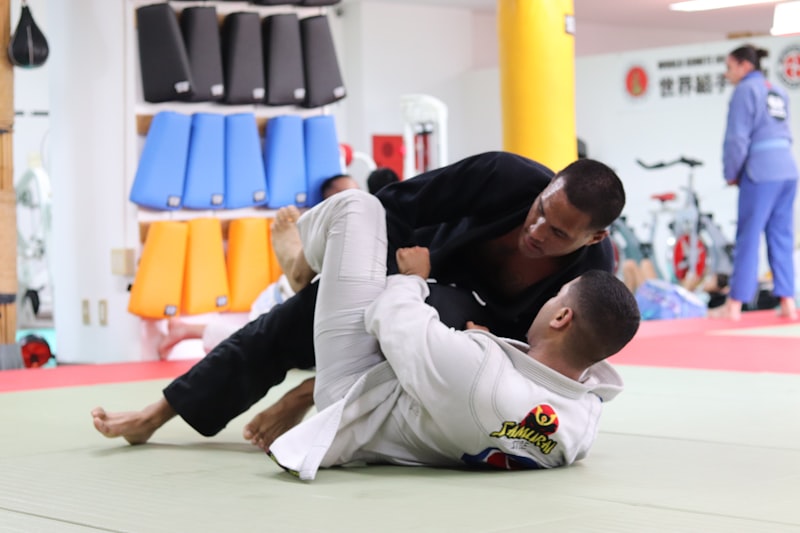
The best techniques for effective guard sweeps depend on starting with the right guard structure. First, you need to understand what closed, open, and half guard mean in practice. Each guard has unique sweep options, and the right setup leads to dramatic results. Veja tambem: Step by Step Guide to Guard Sweeps: Master Every Position Faster.
The closed guard is a classic position where your legs encircle your opponent’s waist. It keeps your opponent close and limits their movement. From closed guard, you can launch the hip bump sweep, scissor sweep, or flower sweep. For example, a well-timed hip bump sweep shifts your opponent’s weight and allows you to come on top quickly. Veja tambem: Common Mistakes in Guard System Sweeps: Avoid These for Better Results.
The open guard uses hooks, grips, and frames with your legs, often with your feet on the opponent’s hips or biceps. This guard offers a variety of sweeps, such as the tripod sweep and the lasso sweep. In fact, the tripod sweep is great for disrupting your opponent’s balance and catching them off guard. Many competitors in 2026 still use it successfully at all levels. Veja tambem: Top Guard Sweep Techniques for Beginners: Essential BJJ Sweeps.
Half guard is where you trap one of your opponent’s legs between yours. This guard gives you a strong set of sweeps, including the old school sweep and the deep half underhook sweep. Because of the leg entanglement, you can use your hips to roll, bump, or elevate your opponent before sweeping. Veja tambem: Advanced Guard Sweeps for Competition: Techniques and Strategies.
Each guard type changes your sweep strategy. According to the International Brazilian Jiu-Jitsu Federation’s rulebook, guard sweeps remain among the highest-percentage scoring moves in competition (source). Their rules define a sweep as a reversal executed from the guard and award points that can win matches.
Proper guard structure is the first step. Position your body, control grips, and anchor yourself before attacking. Therefore, you maximize the chances that the sweep will succeed. In summary, knowing which sweep fits each guard style sets your foundation for success.
Closed Guard Sweep Example: The Hip Bump
One practical example is the hip bump sweep from closed guard. You post your foot, sit up, and bump your hips into your opponent’s chest. Their balance breaks, and you roll them over to mount. Because of this, the move surprises opponent and is fast to execute.
Key Concepts: Off-Balancing (Kuzushi) and Timing
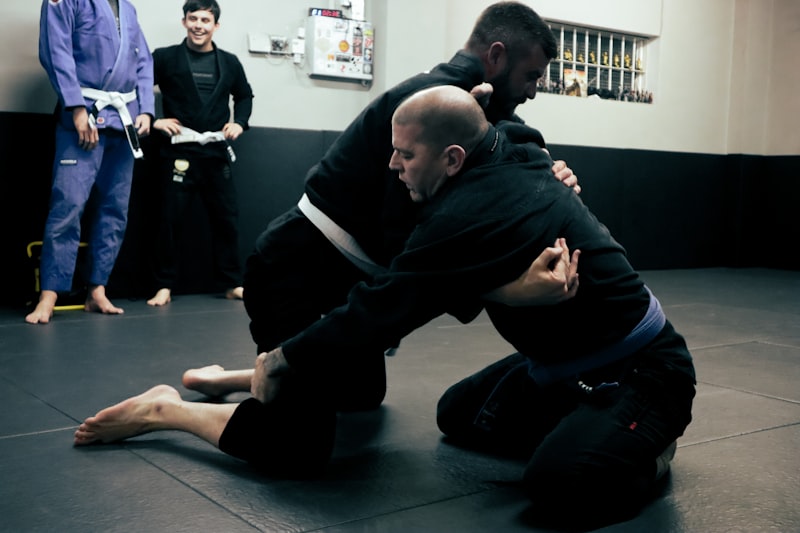
A central element in the best techniques for effective guard sweeps is the skill of off-balancing, also known as “kuzushi.” In fact, most sweeps fail because the opponent’s base remains strong. Good sweeps work by disrupting balance, making it easier to reverse the position.
First, off-balancing works by pulling, pushing, or shifting your opponent before launching the sweep. For example, in the scissor sweep, you pull your opponent forward while scissoring your legs. They become light, and you capitalize on their loss of balance. A study published by the Journal of Combat Sports and Martial Arts notes that kuzushi is a key factor for sweep effectiveness (read the study).
Timing is just as important as technique. If you attack a sweep while the opponent’s base is solid, it is easy for them to resist. However, if you wait for them to adjust posture or move a limb, their base becomes weak. For example, the tripod sweep is most effective right as your opponent stands to break your guard.
Another aspect is using feints or combinations to force reactions. For example, you might feint a submission attempt to prompt your opponent to posture up. When they react, you launch a sweep in the opposite direction.
You must practice recognizing weight shifts. In addition, drilling with partners of different sizes helps you recognize optimal timing. The faster you seize these chances, the higher your sweep success rate.
In summary, effective sweeps do not just rely on strength. They require excellent off-balancing and timing. By building these skills, you will land sweeps against bigger and more skilled opponents.
Sweep Combinations: Linking Attacks for Maximum Effectiveness
Even the best techniques for effective guard sweeps work even better when combined. Sweep combinations involve linking several sweeps or mixing sweeps with submission threats. Because your opponent must defend multiple attacks, their balance breaks down.
One powerful example is the classic scissor sweep and triangle choke combination from closed guard. You attack the scissor sweep; if the opponent counters by posting a hand, you can transition straight into a triangle choke. This approach forces your opponent to split their focus.
In open guard, the collar-and-sleeve grip lets you flow between sweeps and submissions. You might go from a lasso sweep, fail, and instantly attack a sit-up guard sweep because your opponent overcompensated. As a result, the chaining of attacks increases your chances of success.
Half guard presents similar options. For example, you can attack the old school sweep. If your opponent bases out, you can go to the electric chair sweep or transition to dogfight position. These combinations keep your opponent guessing. They allow you to switch strategies based on their reaction.
In fact, high-level competitors in 2026 use attack chains as their primary strategy. Recent match footage from the European BJJ Championships shows sweep-to-submission transitions deciding many finals. Top-level coaches, such as John Danaher, advocate for “attack blizzards”—constant combinations to overwhelm the guard passer.
To apply combinations, drill sequences in the gym. Start with two or three chains for each guard system. In addition, pay close attention to transition points—where the defense opens a new sweep or submission route. As you get better, your combinations will become more fluid.
Finally, sweep combinations transform your guard from reactive to proactive. You will dictate the pace and force your opponent into your rhythm.
Training Tips and Common Mistakes When Practicing Guard Sweeps
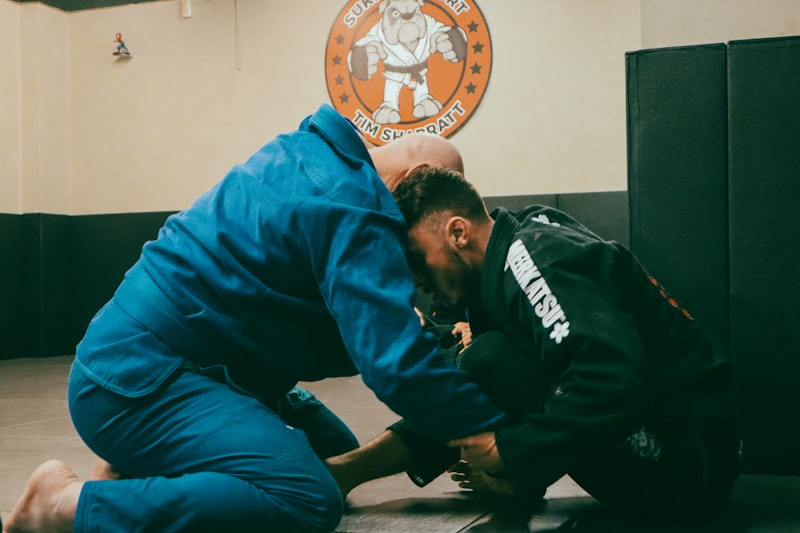
To master the best techniques for effective guard sweeps, smart training is essential. Because of this, you need to focus on quality, not just quantity. Let’s look at how to build your sweeping skills with efficient practice.
First, always break down movements. Drill sweeps slowly at first, focusing on each step. This helps your body learn the motion and balance shifts. For example, when drilling the flower sweep from closed guard, isolate your leg swing, arm pull, and hip shift. As you improve, increase speed and add resistance from your partner.
Use positional sparring. In fact, set timer rounds where you start in closed, open, or half guard. Your objective is to sweep, while your partner tries to pass. This creates real resistance and tests your application under pressure.
Film your rounds or ask instructors for feedback. Seeing yourself in action will show small errors. For example, you might notice that you fail to pull your opponent’s sleeve far enough during the scissor sweep. Fixing these details improves success.
Common mistakes include attacking sweeps without Kuzushi, telegraphing your moves, or not controlling the opponent’s base. As a result, your opponent can defend or counter-attack. To avoid this, always set up with grips, break balance, and attack with purpose.
Do not forget the importance of recovery. If your sweep fails, re-establish guard quickly. High-level grapplers recover position instead of accepting top pressure.
In summary, approach training for sweeps with focus. Small details lead to big differences over time.
Conclusion
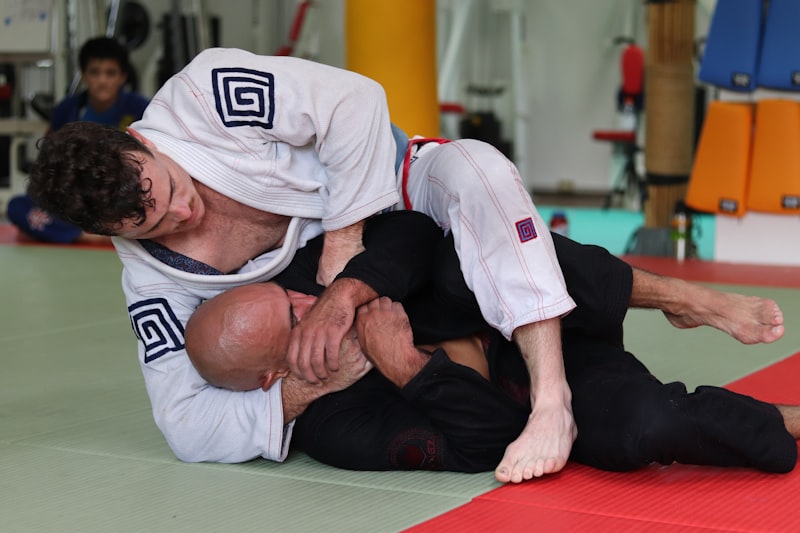
The best techniques for effective guard sweeps involve more than just learning a move. You must understand guard structures, master off-balancing, and use sweep combinations. Moreover, smart training and attention to detail will help you succeed against any opponent.
Closed, open, and half guard each offer unique sweeps. By matching structure and technique, you can control the pace from the bottom. Practicing combinations keeps opponents off-balance and raises your success rate.
Keep drilling, watch your own technique, and ask experienced coaches for feedback. For more in-depth guides on guard sweeps and systems, explore more resources on iSmartFeed.com. Start applying these sweeping strategies to your mat time, and watch your guard game evolve.