
Learning the top guard sweep techniques for beginners is one of the fastest ways to improve your bottom game in Brazilian Jiu-Jitsu (BJJ). As you progress, understanding how to off-balance, control, and sweep opponents from closed, open, and half guard will give you a solid grappling foundation.
Guard sweeps are BJJ moves that help you reverse positions. They let you go from under your opponent (on bottom) to the top. This gives you a dominant grappling position and often leads to better control or submission opportunities.
In this guide, we’ll explore key sweeps for those just starting. You’ll also see how to link off-balancing (also called “kazushi”) with sweep techniques. Practical tips, clear steps, and real examples will help you build confidence as you work through fundamental sweeps from different guard positions.
Why Every Beginner Should Master These Guard Sweep Techniques
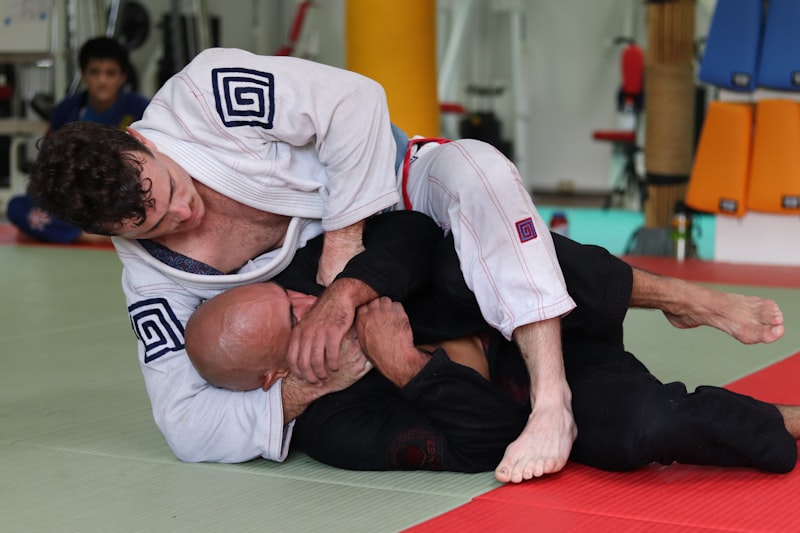
The closed, open, and half guard positions are some of the most used in modern BJJ. That’s why most top guard sweep techniques for beginners start from these “classic” locations. Knowing when and how to sweep from these guards is critical for beginners for several reasons. Veja tambem: Advanced Guard Sweeps for Competition: Techniques and Strategies.
First, sweeps create scoring opportunities in competitions. Most major BJJ tournaments, like IBJJF events in 2026, give points for a clean sweep. For example, scoring two points for a sweep can make the difference between winning and losing a close match. Veja tambem: What Is a Guard System in Grappling? Key Fundamentals Explained.
In addition, sweeps give you more confidence if you’re caught underneath an opponent. If you can quickly change from bottom to top, you’ll feel less “stuck” or pressured. This skill is not only valuable in sport BJJ. It also helps in self-defense situations where gaining top control can keep you safe. Veja tambem: List of Essential Guard Sweeps: Key Techniques for BJJ Success.
Similarly, learning sweeps helps beginners understand basic guard retention and off-balancing principles. When you practice sweeps, you learn to time your movements, control your opponent’s arms or legs, and react to their attempts to break your guard.
Take, for example, the classic scissor sweep from closed guard. With good timing and an understanding of leverage, even a smaller beginner can reverse a bigger opponent. According to BJJ Fanatics, mastering sweeps is one of the top priorities for new grapplers.
Because of this, every beginner should spend time learning when to sweep and how to connect their sweeps with submissions or guard recovery. This forms the core of a strong guard system.
Essential Closed Guard Sweep Techniques and Setups
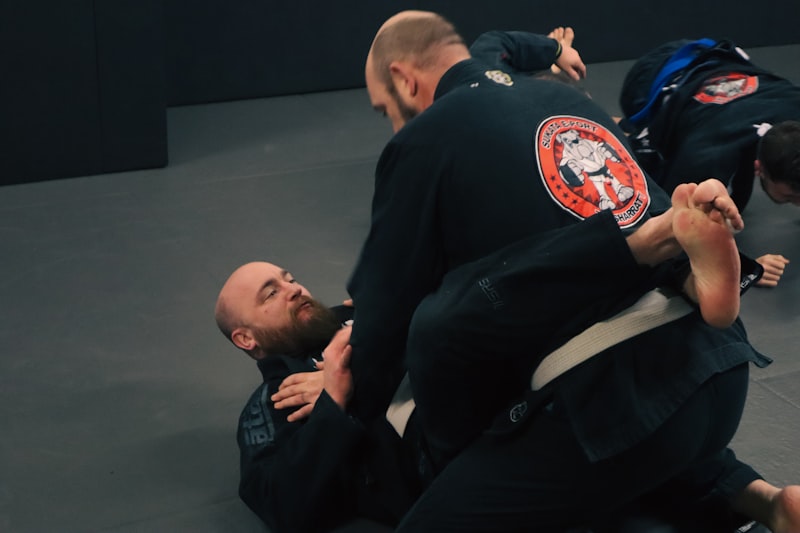
Closed guard is the foundation for many beginners. In closed guard, your legs wrap around your opponent’s waist, locking them between your thighs. From here, you can attack submissions or sweep your opponent. Let’s look at two must-know closed guard sweeps for beginners, along with tips on setups.
The classic hip bump sweep (also called sit-up sweep) is a perfect entry point. Start in closed guard, plant your feet on the mat, and sit up quickly. As you post on your hand, you bump your hips into your opponent’s chest while grabbing their elbow or belt. As a result, you’ll knock them sideways. Roll over your arm, land on top, and secure the mount.
Because of its simplicity, the hip bump sweep works for most body types. It even links with the kimura submission if your opponent posts their arm to block the sweep.
Another essential sweep is the scissor sweep. For this move, open your guard, and shift your hips. Use one shin across your opponent’s belt and your other leg’s knee out to the side. Pull your opponent forward as you “scissor” your legs, turning onto your side. This motion makes them lose balance and flips them over. You can land directly into mount or a strong top position.
In both sweeps, good grips are vital. For the hip bump, post your hand and hug your opponent’s triceps. For the scissor sweep, control their sleeve or wrist and grip their collar. This gives you leverage and blocks their defenses.
Once you master these two sweeps, you’ll notice your closed guard feels more “dangerous.” Your training partners won’t feel safe, as you can attack or sweep at any opening. Consistent drilling is the key. According to Gracie Barra, new students should aim to drill sweeps like these at least 50 times per class to develop muscle memory.
In summary, strong closed guard sweeps are the heart of every guard system for beginners. Learn the grips, trust your hips, and drive at your opponent’s base.
Troubleshooting Common Closed Guard Mistakes
Many beginners struggle with sweeps because they use only upper body strength. However, in guard sweeps, your hips and legs do most of the work. Always use your legs to generate power. If your opponent is heavy or sprawling, try breaking their posture first. Pull their upper body down, control their arms, or shift their base. This makes it easier to launch a sweep.
In addition, if your sweep fails, quickly move to another attack. Link your sweep with an armbar, triangle, or a switch to open guard. By connecting moves, you keep your opponent guessing and improve your overall guard game.
Open Guard Sweeps: Making Space and Off-Balancing
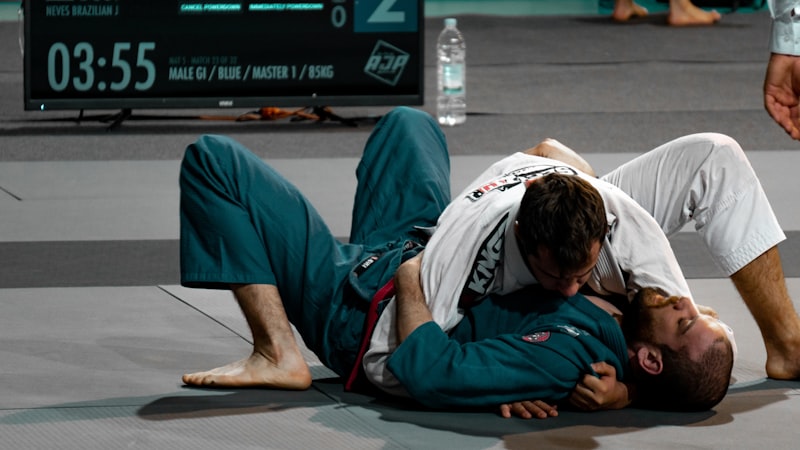
Open guard is any position where your legs are not locked around your opponent’s waist. This guard includes butterfly guard, De La Riva, and spider guard. Many top guard sweep techniques for beginners rely on learning to control distance and break your opponent’s balance.
The butterfly sweep is one of the most effective beginner sweeps from open guard. Start seated with your feet on the mat and your shins under your opponent’s thighs. Grip their arm (wrist or sleeve). Lean back slightly and then quickly lean forward, loading their weight onto your legs. Next, lift with your butterfly hook (your lifted leg), using your arm to pull them sideways. This motion tips them over, letting you come on top.
Butterfly sweeps are popular because they work well in both gi and no-gi training. In addition, you don’t need to be flexible to use butterfly guard.
Another important open guard sweep is the tripod sweep. This sweep often begins when your opponent stands up to pass. Place one foot in their hip crease and grip their ankle while using your other leg to block behind their knee. Push with one leg, pull their ankle, and use your other foot to “tripod” sweep them backwards. When they fall, stand up quickly to get on top.
Both butterfly and tripod sweeps rely on off-balancing (kazushi). You must make your opponent’s weight shift before you finish the sweep. For example, pulling their arm forward or tilting their shoulders sideways opens a window to attack their base.
Because of the versatility, open guard sweeps are critical for competition and self-defense. Many top athletes—like Marcelo Garcia—built their games on a strong open guard and consistent sweeps from butterfly or seated guard. You can see effective open guard sweeps at every belt level, from white to black.
However, pay attention to your own balance when trying these sweeps. Anchor yourself by posting a hand or foot as needed. Always look for openings rather than forcing the sweep.
Finally, mix your open guard sweeps with submission attempts. If your opponent resists, quickly switch to an arm drag, triangle, or omoplata. This “combinational” style will make your guard much more threatening.
Half Guard Sweeps: Fundamentals for Reversals from Bottom
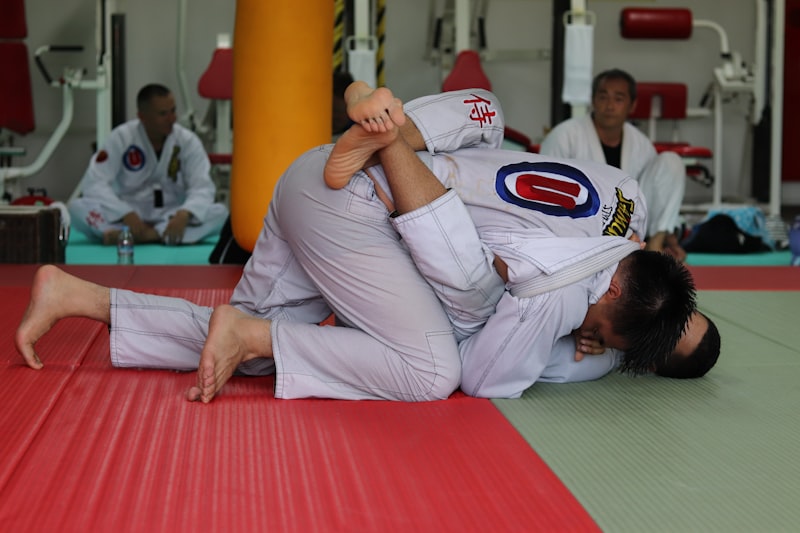
Half guard is a position where one of your opponent’s legs is trapped between your legs, but you are still on the bottom. It’s one of the most important transitional guards in modern BJJ systems. For beginners, learning half guard sweeps builds your ability to escape pressure and reverse strong top players.
The basic “old school” sweep is a must-know for anyone starting half guard. First, you establish an underhook with your arm under your opponent’s armpit. You “lockdown” their trapped leg using your own legs. Next, reach and grip their far foot or ankle. Pull this foot toward yourself while loading your opponent’s weight forward. Then, turn your hips and drive through their base. This movement tips your opponent over, allowing you to scramble up to top position.
Another simple and safe sweep is the half guard “knee lever” or “half butterfly” sweep. From half guard, place your outside foot as a hook under your opponent’s inner thigh—like a butterfly guard. Frame with your arms on their chest or under their armpit. Use your hook and the twist of your hips to lift and tip your opponent over. This sweep does not require much strength. Instead, it relies on correct angles and timing.
These half guard sweeps are crucial for beginners because they work against opponents who try to pass tightly (smashing your hips to the mat). With good timing, you can also combine sweeps with submissions. For example, attempt a kimura or guillotine if your opponent posts a hand to base out.
The importance of half guard in fighting off strong top pressure cannot be overstated. According to a comprehensive analysis by Jiu Jitsu Times, the half guard is “arguably the most important position” for learning sweeps as a beginner.
In summary, working half guard sweeps improves your escapes, reversals, and transition skills. Commit to drilling these moves on both sides for a balanced game.
Off-Balancing and Transition Strategies from Half Guard
In beginner sparring, opponents often try to flatten you out in half guard. Your first job is to get off your back and onto your side. Use frames—your arms and shin—to create space. Try to win the underhook battle. This helps set up your sweeps. If your sweep fails, recover to closed or open guard rather than giving up the pass.
Timing is everything with half guard sweeps. As soon as your opponent shifts their weight or posts, react and launch your reversal. Practicing with partners who resist—but don’t smash you—builds both timing and courage to attack from bottom.
Building a Sweep Combination Game and Troubleshooting Common Problems
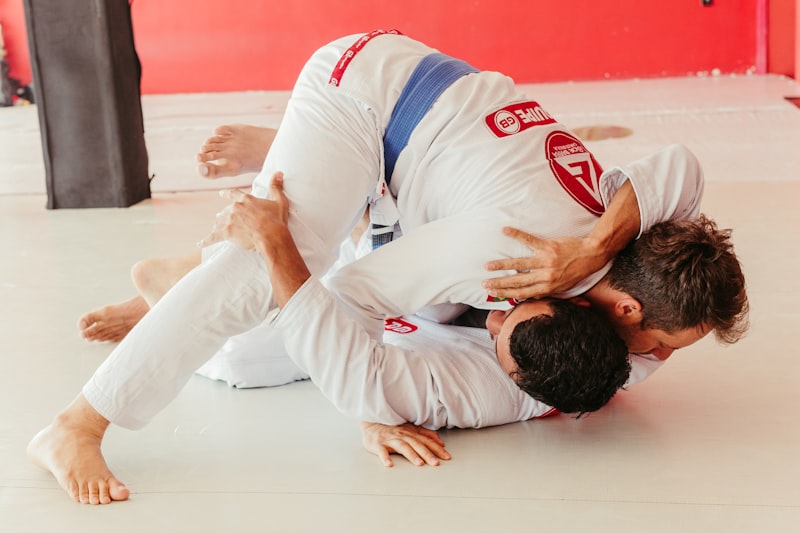
Now that you know fundamental sweeps from closed, open, and half guard, the next step is to link them into combinations. Top guard sweep techniques for beginners are most effective when used in series, not solo.
For example, connect your closed guard hip bump to a triangle or kimura. When your opponent blocks the hip bump, attack an armbar or switch to an open guard sweep. This style—called “chain attacks”—forces your opponent to guess rather than dictate the pace.
Similarly, in open guard, flow between tripod sweeps, sweeps from lasso or De La Riva guard, and submissions. If your opponent stands tall, use a tripod sweep. If they drop weight low, sit up to butterfly sweep.
Common problems in sweep attempts include poor grips, lack of hip movement, and not controlling the opponent’s arms or posture. To fix this, focus on posture control. Pull your opponent’s head or arm forward before sweeping. Use your legs to shift angles and create space.
In addition, keep your own balance. Don’t fall flat on your back during sweeps. Sit up, base on your hand if needed, and move your hips with your upper body.
Finally, repetition is key. Commit to drilling each sweep at least 10-20 times each practice. Ask your coach to correct small details. Watch videos of successful competitors for inspiration and new transitions. This consistent practice builds lasting sweep skills.
Conclusion
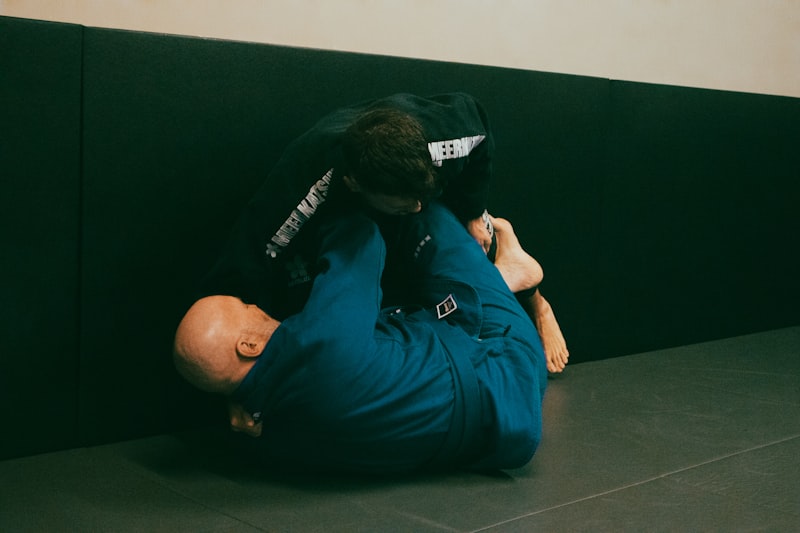
In summary, the top guard sweep techniques for beginners are essential for every new grappler. Closed guard sweeps like the hip bump and scissor sweep establish control from the start. Open guard sweeps such as butterfly and tripod sweeps offer flexibility and modern applications. Half guard sweeps help you reverse pressure and recover from tough spots.
Remember to focus on timing, grips, and off-balancing above raw strength. Troubleshoot common failures by moving your hips and linking attacks. Drill sweeps in combinations to make your guard unpredictable.
Start with these fundamentals and practice regularly. Over time, you’ll build confidence and become a danger from any guard position. For more details and demonstrations, check resources like BJJ Fanatics or ask your instructor about the best sweeps for your body type. Now is the best time to build your foundation and sweep your way to the top.