
Starting out in Brazilian Jiu-Jitsu can feel overwhelming, so using practical BJJ beginner tips will help you progress faster and avoid common mistakes. Whether you are aiming for fitness, self-defense, or competition, this guide is here to support your early journey.
In fact, many new students drop out before reaching blue belt because they struggle with basics and training habits. Therefore, getting the right advice early leads to greater satisfaction, fewer injuries, and effective learning.
This article will cover core BJJ beginner tips. You will find advice on mindset, training routines, technique priorities, and smart strategies for steady improvement. Each section uses straightforward language and aligns with smart approaches adopted by successful practitioners.
Build the Right Mindset: The Mental Game for BJJ Beginners
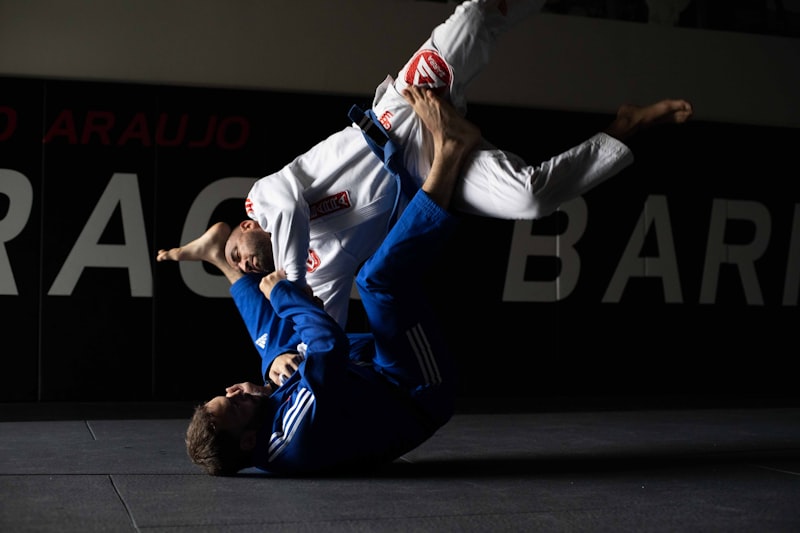
Starting in BJJ is more about mindset than most realize. First, BJJ is known for its steep learning curve. Beginners often feel lost, especially in their first few weeks. However, with the right approach, you can make the most of your early learning phase. Veja tambem: Is BJJ Good for Weight Loss? Real Benefits, Science & Tips.
Start by accepting that progress in BJJ is slow. You may not tap anyone for months. In fact, most people struggle to grasp the basics at first. Many BJJ instructors, including John Danaher, stress the need to focus on learning rather than winning during early sessions. Veja tambem: Essential Escapes Every BJJ Beginner Should Learn for Fast Progress.
Patience is key. For example, new students should not judge themselves by rolling results. Instead, track small signs of progress. Did you escape a tough position today? Were you able to hold guard a bit longer? These are early wins. Celebrate them.
Also, avoid comparing yourself to advanced teammates. Everyone learns at their own pace. Doing drills and asking questions will open doors. In addition, try to leave your ego off the mats. This way, you reduce frustration and allow room for skill development.
Finally, set realistic goals. Many BJJ beginners quit after a few months due to unrealistic expectations. Instead, aim to attend 2-3 classes per week and complete one full month. As a result, you will build the habit of training and see your confidence grow.
Master the Fundamental Movements and Positions
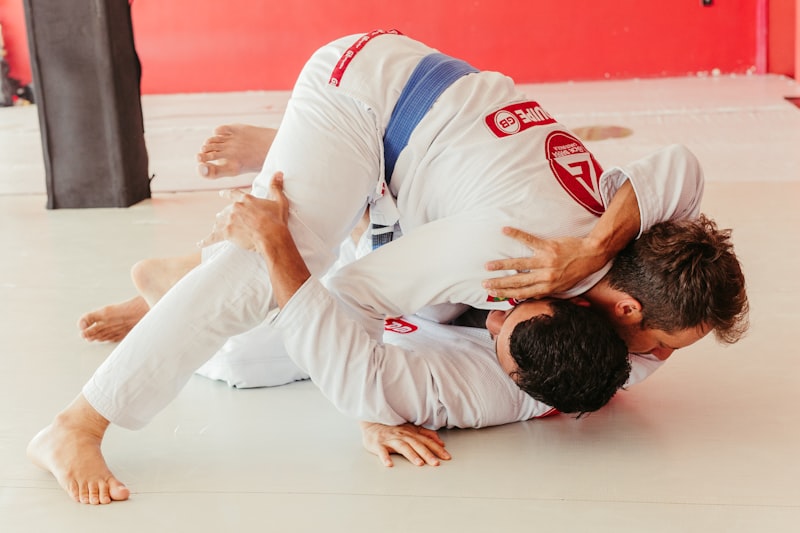
No list of BJJ beginner tips is complete without focusing on fundamentals. Learning and drilling basic movements will help you avoid injury and lay the groundwork for future progress.
The most important basic movements include hip escapes (shrimping), bridging, forward and backward rolls, and technical stand-ups. You will repeat these movements in almost every class. They are the core actions behind escaping bad positions and launching attacks. For example, shrimping helps you escape from pins and recover guard. Bridging is essential to breaking free from side control or mount.
However, many beginners focus too much on memorizing submissions. This is a mistake. Techniques like armbars and chokes only work if you can get into the right position. Therefore, concentrate first on mastering positions such as closed guard, mount, and side control. According to Alliance Jiu Jitsu, 70% of a white belt’s progress comes from better understanding and control of these core positions (see source).
In addition, learn to recognize when you are in a safe versus a dangerous position. For example, being stuck in mount means you are in danger of being submitted. Your first job is survival and escape, not attacking.
Drill escapes as often as possible. Ask your classmates and instructors to help you focus on these skills. For instance, dedicate at least ten minutes each session to drills like the Upa escape from mount or the elbow escape from side control. Over time, these basics will become automatic. In summary, prioritize learning how to move and survive before you attack. This will help you succeed down the road.
The Importance of Consistent Drilling
Drilling may seem repetitive, but it is one of the most effective ways to build muscle memory. Aim to repeat each fundamental movement at least 50 times per week. For beginners, consistency trumps intensity. Practice the same escapes and sweeps until your body reacts without thinking.
Smart Training Routines and Hygiene for Beginners
A smart approach to class attendance helps beginners build steady progress and avoid injuries. In other words, how you train is as important as what you learn.
Start by aiming for two to three classes per week. Many coaches, including those interviewed by BJJ Heroes, recommend this frequency for new students (reference). It gives you time to recover and absorb new information, while making the habit stick. Practicing too infrequently leads to slow growth, while overtraining increases risk of burnout or injury.
Always arrive on time. The warm-up is crucial for preparing your body, and missing it puts you at greater risk of injuries. For example, skipping muscle activation exercises can make you vulnerable to strains.
In addition, hygiene matters. BJJ is a close-contact sport, so always wear a clean gi or rash guard. Trim your nails and wash your hands and feet before class. This helps reduce the spread of skin infections like ringworm or staph, which are unfortunately common in martial arts environments.
Another essential tip is to pay close attention during instruction. Take mental notes or write skills down after class. For instance, keep a simple training journal with techniques learned and key takeaways. Doing this helps with knowledge retention, especially in the early months.
Finally, ask your instructors for feedback regularly. Be open to corrections. Learning to accept feedback with a growth mindset will help you improve faster than trying to copy advanced grapplers’ moves.
Learning to Spar: Surviving and Thriving as a Newcomer
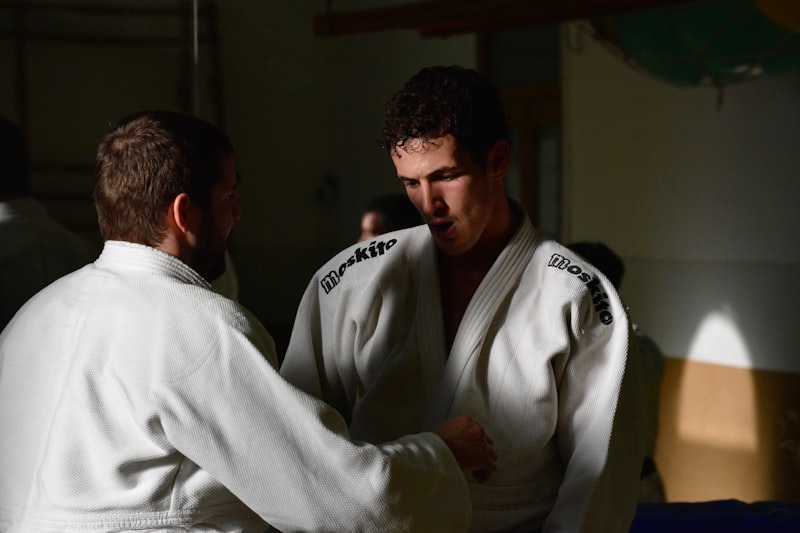
Sparring, known as “rolling,” is a big part of Brazilian Jiu-Jitsu. Many new students worry about sparring with more skilled partners. However, the right approach to sparring will help you learn faster and feel safer.
First, always follow the safety rules set by your academy. If you are not sure, ask your instructor before your first class with live rolling. Some gyms have no-rolling policies for absolute beginners. Others encourage light positional sparring from day one.
During sparring, tap early and tap often. Submissions can come fast. If you feel pain or trapped, tap clearly with your hand or voice. Tapping is not a sign of weakness. Instead, it shows you are learning how to protect yourself and your training partners.
For your first few rolls, focus on breathing calmly and staying relaxed. Many new students panic and lose all technique. If you get stuck under a bigger opponent, take slow breaths. Look for small windows to escape or create space. If you get tired, ask to pause or switch partners. There is no shame in pacing yourself.
Work on applying at least one escape or position you practiced that week. For example, if you drilled the upa mount escape, try it during sparring. You probably will not get it right for weeks, but trying under pressure is vital.
Classic beginner mistakes in sparring include using too much strength, holding the same position for too long, and forgetting movements learned in class. As a result, remind yourself each roll to keep moving and not force submissions.
In fact, colored belt teammates are likely to help you if you communicate your experience level at the start. For instance, say “I’m new, can we go light?” Most people will respect this and guide you through the round.
At the end of each class, reflect on what went well and identify one area to focus on for your next roll. This simple habit leads to faster improvement over time compared to chasing new techniques every day.
Track Progress and Overcome Common BJJ Obstacles
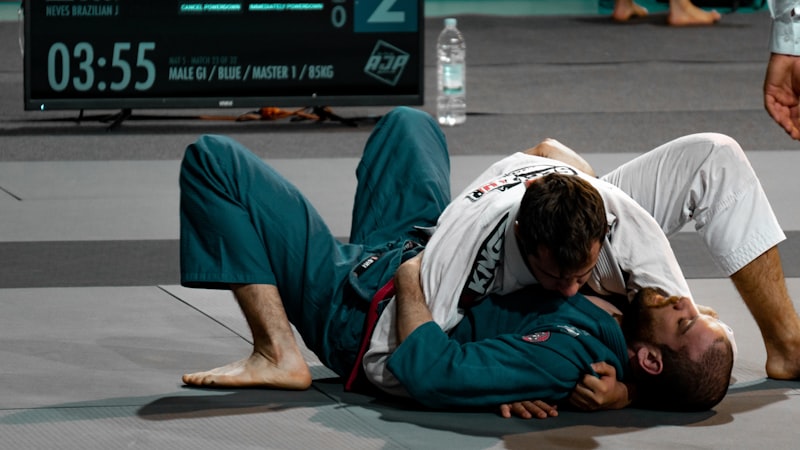
Measuring your success in BJJ as a beginner can be challenging. Because of this, tracking small improvements becomes even more important. A simple notebook or digital log is very effective.
Write down techniques and movements covered in each class. For example, list your top three escapes and details to remember. As you attend more classes, compare notes to see how much you are retaining.
Jiu-Jitsu progress does not always show up as new belts or submissions. Sometimes, you are doing better just by escaping faster, surviving longer, or catching techniques in warm-ups. In addition, set short-term goals. For example, aim to pass an opponent’s guard or recover guard using a specific movement. Celebrate when you reach these goals.
Plateaus will come. Nearly every practitioner faces stretches where progress seems to stall. During these times, remind yourself that everyone goes through slow periods. Continue training, drilling basics, and asking for advice. Often, a plateau signals that you are close to a breakthrough.
Another major obstacle is injury. Beginners may get sore wrists, fingers, or even bruised ribs. Therefore, pay close attention to your body. Rest when needed. Light stretching, ice, and rest days will help you recover. If pain persists, consult a doctor and avoid high-intensity training until you are healed.
Feeling overwhelmed by complex terminology or class structure is normal at first. Therefore, ask higher-ranked students or coaches to explain unfamiliar terms. Many gym communities welcome beginners and will gladly help.
Finally, remind yourself often why you started BJJ. For fitness, stress relief, or self-defense—these goals help you push forward through the tough days.
Conclusion
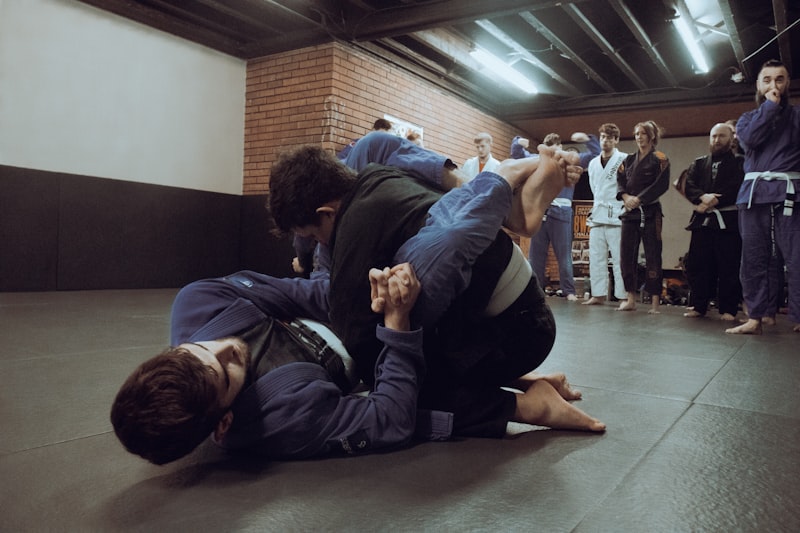
Brazilian Jiu-Jitsu is challenging for any newcomer, yet following the right BJJ beginner tips makes the journey enjoyable and rewarding. Focus on building a learning mindset, drilling basics, attending classes consistently, and communicating during sparring. Over time, you will develop real skills and confidence.
Track your progress with small goals and celebrate each step. Setbacks and plateaus are natural, but persistence brings improvement. For more ways to learn smart, check out resources like the Alliance Jiu Jitsu basics guide.
Start slow, ask questions, and enjoy the process. Your future self on the mats will thank you.