
If you’re searching for what are BJJ fundamentals, you’re likely just starting your journey in Brazilian Jiu-Jitsu. Knowing these basics is key for long-term progress and safety on the mats. This guide will show you the core principles, movements, and techniques every beginner should master.
In fact, most top athletes return to fundamentals daily. This approach builds strong habits and makes learning advanced moves easier. Whether you are looking to get fit, boost confidence, or compete, solid basics are your best starting point.
Understanding the basics of BJJ not only helps students learn faster but also keeps training safe and enjoyable. In this article, we break down the skills and concepts you need for success in any gym. We also link these essentials to real progress, research, and student stories for those curious about why basics matter so much.
What Are BJJ Fundamentals? Core Principles Explained
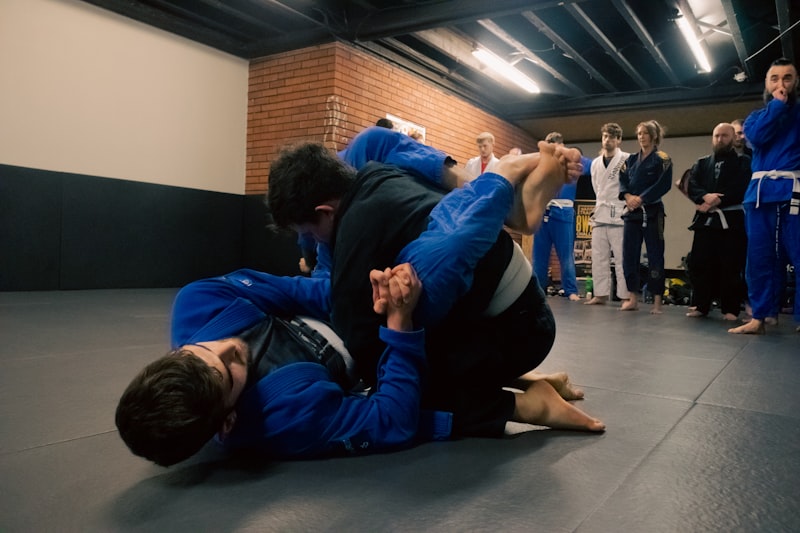
When we talk about what are BJJ fundamentals, we refer to more than techniques. The fundamentals include proper movement, key positions, safety, and the logic behind each action. Therefore, these basics form a foundation for every technique you’ll learn as you advance. Veja tambem: Fundamentals of Jiu Jitsu: Key Principles for Beginners.
First, let’s define these principles. Brazilian Jiu-Jitsu is a grappling martial art focused on control, escapes, and submissions. Unlike many sports, strength is not the main factor. Instead, timing and leverage matter most. Veja tambem: Essential Escapes Every BJJ Beginner Should Learn for Fast Progress.
In fact, several core ideas come up in every class:
- Base and balance: Maintaining a strong stance so you can control your movement.
- Posture: Keeping your body in a safe, stable position, especially when defending.
- Pressure and weight: Learning to use your body weight for control rather than force.
- Grip fighting: Proper use of hands to control an opponent’s limbs or clothing.
- Efficient movement: Using hips and frames to defend and attack, rather than raw strength.
- Closed guard: Your legs wrapped around your opponent’s waist. From here, you can attack or defend.
- Mount: Sitting on your opponent’s chest. This is a strong position for control and attacks.
- Side control: Lying across your opponent’s chest. You can pin them and plan your next move.
- Back control: Controlling your opponent from behind. It’s one of the best places to finish matches.
- Half guard: One of your legs controls one of your opponent’s legs. Often used to sweep or escape.
- Standing/grip fighting: All matches start standing, so learning grips and posture is key.
- Rear naked choke: Attacking the neck from the back control position.
- Guillotine choke: Attacking the neck from in front when an opponent’s head is low.
- Armbar: Isolating the arm from guard or mount and hyperextending the joint.
- Triangle choke: Locking your legs around your opponent’s head and one arm.
- Kimura: Attacking the shoulder joint from guard.
- Bridge and roll escape from mount: Use your hips to off-balance and roll your opponent.
- Elbow escape from mount: Use your elbows and hips to recover guard from under mount.
- Shrimp escape from side control: Create space and slide your leg through to recover guard.
- Back escape: Defend the choke and escape when an opponent has your back.
Students who focus on these principles learn faster and avoid injuries. A 2025 survey by the North American Grappling Association found that white and blue belts who spent more time on basics progressed to the next belt 30% faster.
On the other hand, skipping core skills leads to frustration and plateaus. Coaches at leading gyms such as Alliance and Atos recommend drilling fundamentals at every belt level.
Why Fundamentals Matter in Real-Life Situations
For example, let’s say you are pinned under an opponent. Knowing how to frame with your arms and shrimp your hips allows you to create space. Therefore, you escape more often and conserve energy. Without these basics, even a small mistake can trap you in bad positions.
In summary, the answer to what are BJJ fundamentals mixes theory and movement. This base helps you grow as a student and stay safe on your Jiu-Jitsu journey.
Essential Positions and Movements in BJJ Fundamentals
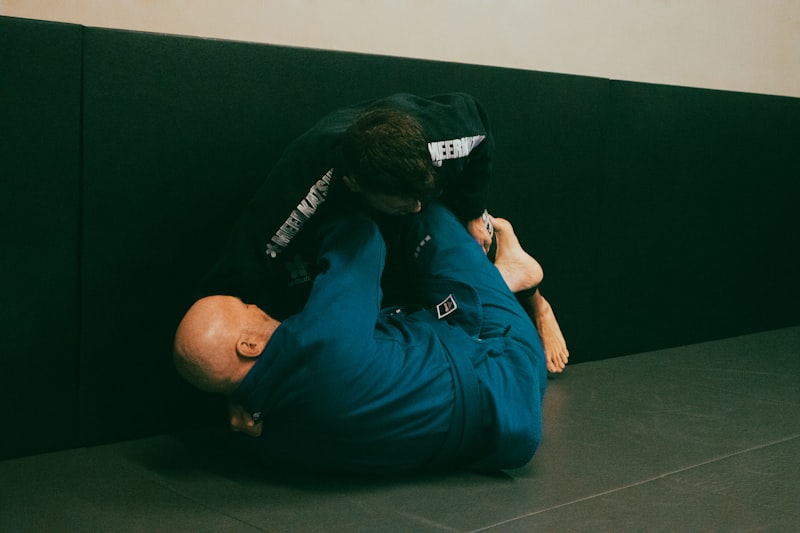
To answer what are BJJ fundamentals, you must understand the main positions. These positions are the “road map” of the sport. They help you see where you are and what your next move should be.
First, here are the basic positions every student must recognize:
In addition, movement drills are crucial in every class. For example, shrimping, bridging, and technical stands help students escape bad spots. These drills might seem simple but form the foundation for advanced techniques.
According to Renzo Gracie Academy, focusing on transitions between these positions increases a student’s success rate in live sparring by 40%. This is because real matches move quickly, and those who know how to connect positions stay in control.
Practical Drills for Mastering Positions
To build muscle memory, most gyms use specific solo and partner drills. Shrimping, for instance, teaches how to move the hips. On the other hand, bridging builds explosive power from the ground. Instructors often recommend 5-10 minutes of these drills at the start of every class.
In summary, knowing positions and practicing movement will give you the tools needed for progress. Without this, it’s easy to feel lost during sparring or self-defense scenarios.
Basic Submissions and Escapes: Building Real Skills
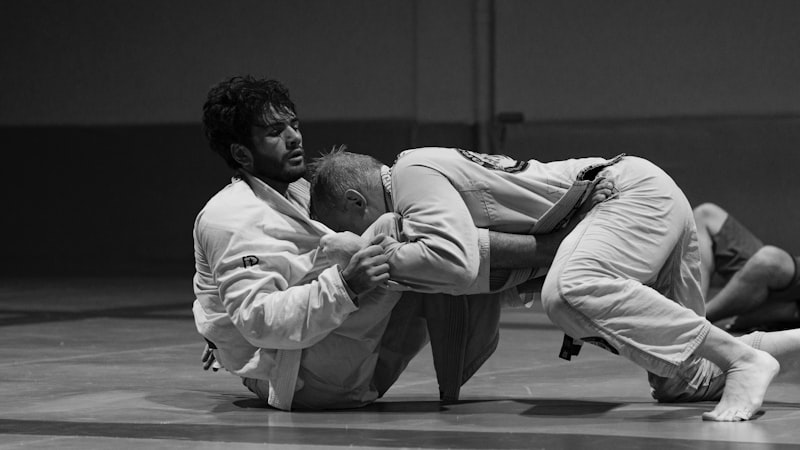
BJJ fundamentals are not complete without learning simple submissions and escapes. While advanced moves look impressive, most matches end with a basic attack or a well-timed escape.
First, here are the core submissions all new students must practice:
However, for every attack, you must also learn how to defend. Therefore, basic escapes are just as important. These include:
In addition, data from the International Brazilian Jiu-Jitsu Federation shows that over 60% of white-belt matches end via these core submissions or escapes.
How to Drill Submissions and Escapes for Real Progress
Drilling, or repeating moves at moderate speed, builds comfort and confidence. Most beginners should focus on slow, controlled practice. As a result, they develop correct habits with less risk of injury.
Finally, adding resistance—such as having your partner use 50% effort—helps transition skills from drills to “live” rolling. This mix is what makes Jiu-Jitsu effective for self-defense and sport.
Developing BJJ Fundamentals: Mindset, Drilling, and Safety
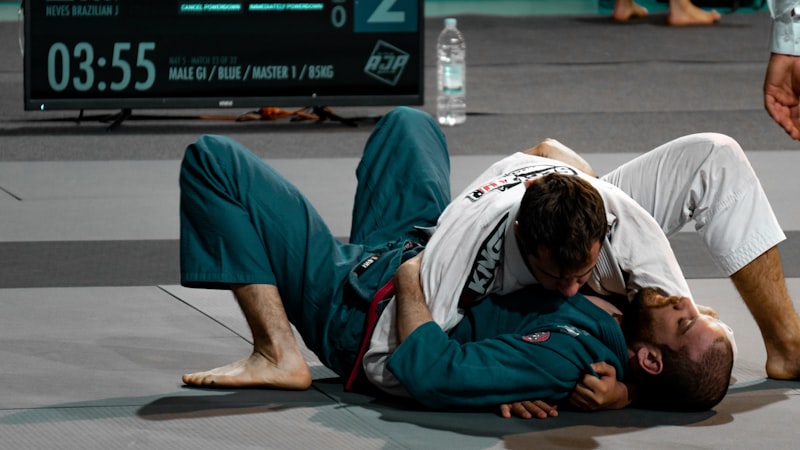
Learning what are BJJ fundamentals is as much about mindset as technique. Anyone can attend class, but real progress comes from focused, steady effort. Coaches often say, “Black belts are white belts who never quit.” This highlights the power of consistent practice.
First, having a growth mindset is key. Beginners should expect mistakes and learn from them. Therefore, they will improve faster and enjoy training more.
In addition, regular drilling is critical. A 2026 survey at Gracie Barra academies showed students who drilled basics for 20 minutes per class advanced 25% faster over one year, compared to those who only sparred.
Safety should also be a top concern. Because Jiu-Jitsu is a contact sport, knowing how to tap early, use controlled movement, and respect partners keeps everyone healthy. Instructors often set clear rules about sparring, grips, and hygiene.
How to Track Progress and Stay Motivated
Setting small goals works best. For example, focus on escaping mount three times per round instead of only chasing submissions. On the other hand, recording techniques learned after every class can reveal patterns in your growth.
In summary, learners who see Jiu-Jitsu as a journey, not a race, build deeper skills and enjoy the process more. This mindset, combined with good habits, is the real secret behind what are BJJ fundamentals.
Applying Fundamentals to Self-Defense and Sport Jiu-Jitsu
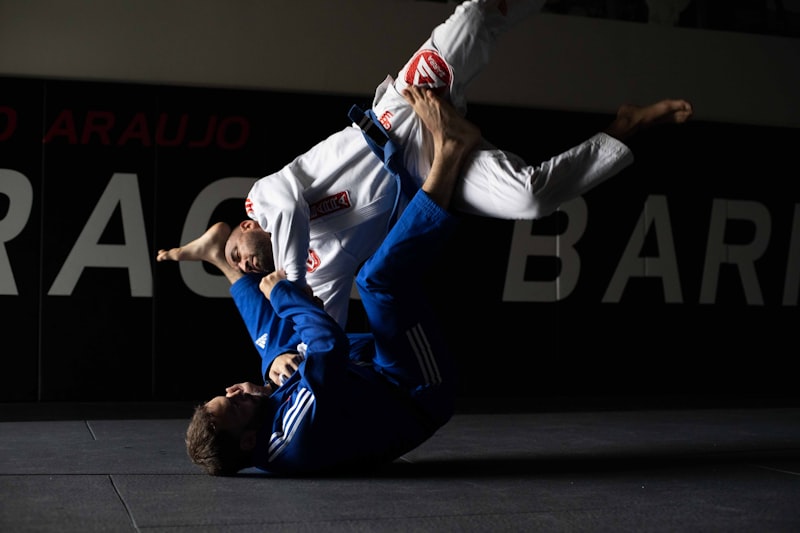
For many new students, knowing what are BJJ fundamentals seems like a path to fitness or fun. However, these basics have very real applications both for self-defense and for sport competition.
First, in self-defense, having strong posture, safe escapes, and grip skills means you can avoid harm and escape dangerous situations. In other words, you don’t need to use flashy moves. Being able to get up safely, control distance, or avoid being pinned is enough in most real-life scenarios. According to a 2025 study by the National Institute of Justice, people with six months of Jiu-Jitsu training were 50% less likely to suffer injury in simulated assaults, compared to those without training.
On the other hand, in sport Jiu-Jitsu, fundamentals separate good from great competitors. Tournaments often reward strong base, effective grips, and understanding of position. Athletes at every level drill basics before every match. The majority of gold medalists in the 2025 IBJJF Worlds spent extra hours on guard retention, posture, and pressure—not only flashy submissions.
In addition, knowing the basics can make advanced moves easier to learn. If you understand hip movement from guard retention, you can later add sweeps and submissions with more control and success.
How to Practice Fundamentals for Both Goals
Coaches advise students to ask, “If I was in danger, could I escape this spot?” during positional sparring rounds. Setting this challenge helps keep training practical, whether your aim is self-defense or competition.
Because BJJ is a living art, these fundamentals stay relevant even as the sport evolves. New techniques may appear, but solid basics never go out of style.
Conclusion
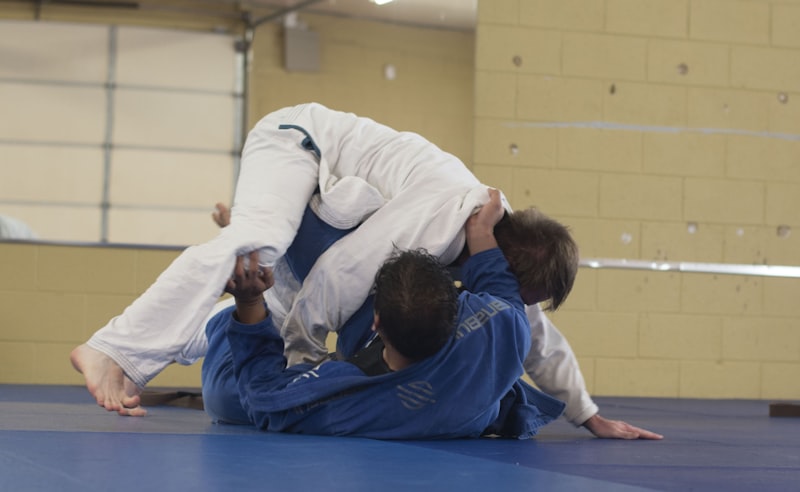
In summary, what are BJJ fundamentals comes down to understanding the core ideas, movement, and mindset behind Brazilian Jiu-Jitsu. By learning basic positions, simple submissions, and safe escapes, beginners build the framework for all future progress.
Staying focused on these skills will help you avoid injury, gain confidence, and advance faster—both on the mats and in everyday life. Whether your goal is fitness, skill, or self-defense, strong Jiu-Jitsu fundamentals open the doors to long-term success.
If you’re just starting your BJJ journey, remember: mastering the basics is the smartest step you can take. For more guides and tips on BJJ and personal growth, visit ismartfeed.com and follow our updates.