
Effective closed guard sweeps techniques are essential for any modern grappler who wants to control and reverse opponents from the bottom. In Brazilian Jiu-Jitsu and grappling sports, the closed guard remains a powerful tool for both defense and attack.
Closed guard sweeps allow a fighter not only to survive but also to switch positions and gain the upper hand. By using key concepts and tried-and-true moves, you can surprise your opponents, score points, and finish matches from guard.
This article explores the secrets of closed guard sweeps. You’ll learn essential mechanics, top techniques, gripping strategies, and common mistakes to avoid. Every section provides real examples and actionable tips, perfect for any practitioner aiming to update their closed guard arsenal in 2026. Saiba mais sobre List of Essential Guard.
Closed Guard: Fundamentals and Why Sweeps Matter
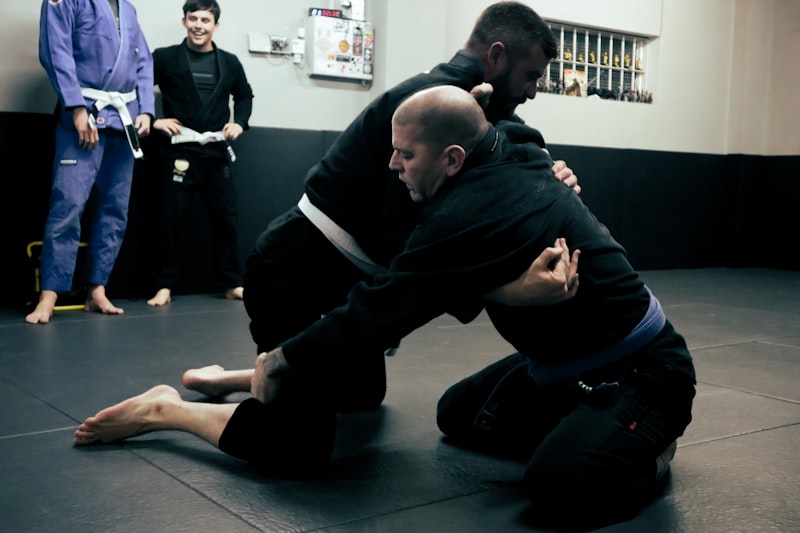
The closed guard is a classic position in Brazilian Jiu-Jitsu, submission grappling, and MMA. In this position, you use your legs to wrap around your opponent’s waist and keep them close. Although this is a defensive stance, it can quickly turn offensive through the use of effective closed guard sweeps techniques. Veja tambem: How to Transition from Guard to Sweep: Step-by-Step Guide for 2026.
For practitioners at any level, understanding the benefits of this guard structure is key. By keeping your legs locked, you prevent your opponent from easily passing or striking. In addition, you control their posture and limit their movement options. Veja tambem: Key Principles of Guard Systems: Building an Effective Bottom Game.
Closed guard sweeps matter because they let you turn a defensive posture into a position of dominance. For example, a successful sweep allows you to land in mount or on top in guard. This means you can control the pace, hunt for submissions, or work to score points, depending on the ruleset. Veja tambem: Guard Sweep Drills for Increased Efficiency: Boost Your Bottom Game.
According to the International Brazilian Jiu-Jitsu Federation (IBJJF), sweeps from closed guard remain some of the most common scoring techniques in tournaments today. In their official rules, sweeps earn you two points, but their true value is in gaining top control.
Finally, closed guard sweeps help neutralize larger, heavier, or more aggressive opponents. By focusing on off-balancing and timing, smaller grapplers can level the playing field. In fact, even the world’s top black belts regularly use closed guard sweeps at the highest levels.
Core Concepts of Effective Sweeps from Closed Guard
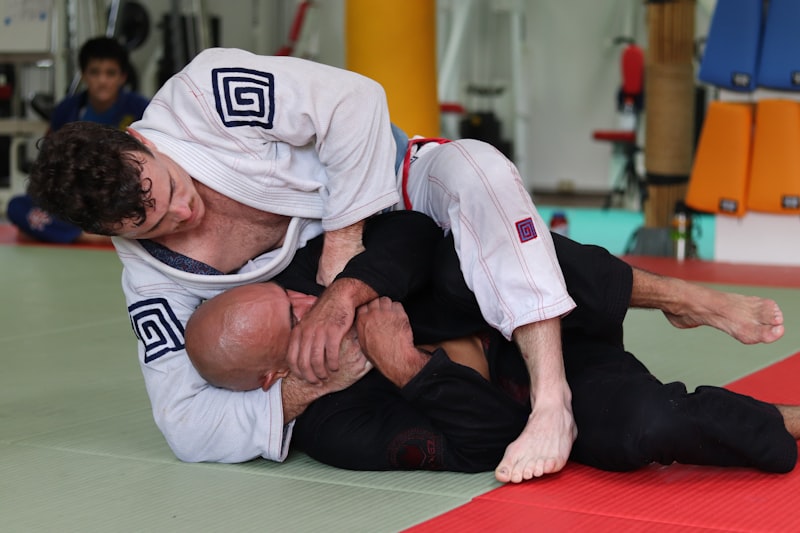
To succeed with effective closed guard sweeps techniques, you need more than just memorizing move sequences. First, you must develop a solid understanding of the core principles behind every sweep.
The first key idea is “off-balancing,” or kuzushi. By breaking your opponent’s posture, you create opportunities to roll or tip them over. For example, when they base their hands on the mat, you can manipulate their arms and shoulders to shift their center of gravity. As a result, even a slight off-balance can set up powerful sweep options.
Second, grips are fundamental to closed guard attacks. Your hands connect you to your opponent’s sleeves, wrists, collar, or belt, depending on the ruleset. Strong grips limit their ability to defend and guide their body where you want it to go.
Another important principle is hip movement. Your hips are the engine behind every sweep. By shifting your hips, you change angles, generate force, and keep the guard dynamic. For example, in a hip bump sweep, you explode your hips upward to drive your opponent off balance.
In addition, timing plays a major role. Rather than forcing a sweep when your opponent is stable, look for moments when they adjust, base, or reach. Catching these moments makes sweeps smoother and more successful.
Finally, successful sweeps require a follow-through. This means controlling the top position after the reversal and neutralizing your opponent’s potential escapes. Without a strong follow-up, all the hard work of the sweep can be lost.
To sum up, mastery of off-balancing, grips, hip movement, and timing is vital for effective sweeps. Practicing these fundamentals every class will translate to better results in live sparring and competition.
Top Effective Closed Guard Sweeps Techniques in 2026
Modern closed guard sweeps have evolved with the sport. However, many classic techniques still dominate local gyms and top tournaments. This section explains several reliable sweeps, including set-ups and practical examples. Saiba mais sobre Top Guard Sweep Techniques.
Hip Bump Sweep
The hip bump sweep is one of the most direct moves from closed guard. First, wait until your opponent posts a hand on the mat and leans forward. Second, uncross your legs and sit up quickly, reaching your arm over their shoulder. Third, bump your hips to the side and drive your opponent backward. This sweep works well when your opponent tries to pin your hips or block collar ties.
According to studies from top academies like Atos Jiu-Jitsu, the hip bump sweep remains effective even in no-gi matches in 2026. This is because the move relies on momentum and timing, rather than strong grips on clothing.
Scissor Sweep
The scissor sweep is a staple of gi and no-gi grapplers. Start by grabbing your opponent’s sleeve and collar with your strong hand. Shrimp your hips out to the side, then position one shin across your opponent’s belly and the other leg on the mat. Use a chopping motion, like a pair of scissors, to knock your opponent over while pulling their arm across your body.
This sweep is especially handy when your opponent is on one knee. You can adjust the angle or switch to omoplata attacks if the first attempt fails.
Flower Sweep (Pendulum Sweep)
The flower or pendulum sweep is another highly efficient option. Use this when your opponent overcommits one arm inside your guard. First, control their wrist and underhook the opposite leg with your arm. Then, swing your leg wide in a pendulum motion, generating enough force to tip them over. Saiba mais sobre Best Techniques for Effective.
In 2026, many instructors recommend drilling the pendulum sweep as it transitions well to armlocks and triangle attacks if the initial sweep does not land. Therefore, it’s a high-reward choice for all levels.
Lumberjack Sweep
The lumberjack sweep targets standing opponents. When your opponent stands up to open your guard, grip both of their ankles and use your legs to kick their hips while pulling on their ankles. This breaks their base, causing them to topple backward.
For example, this is a go-to move in IBJJF tournaments, where guard passers are required to stand frequently. Similarly, fighters in mixed martial arts have used the lumberjack sweep to disrupt base and regain top control.
In summary, each sweep covers different situations and opponent reactions. By learning several, you arm yourself with options for every match scenario.
Troubleshooting and Common Mistakes with Closed Guard Sweeps
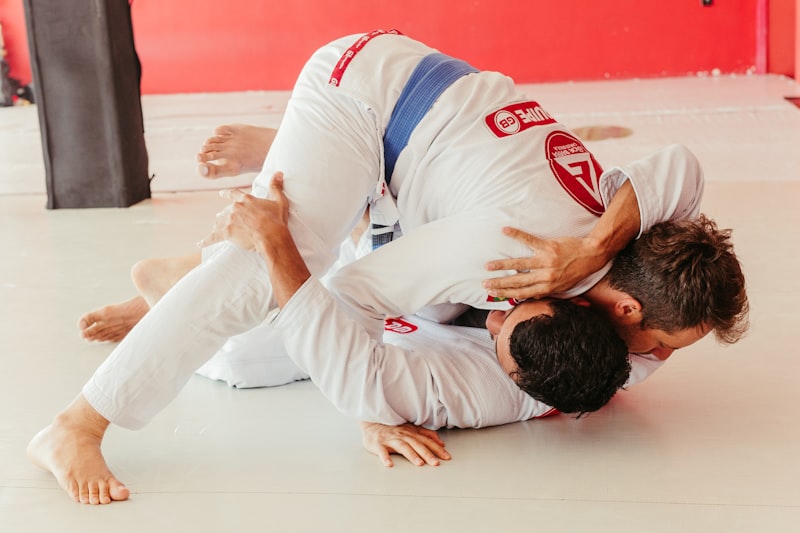
While effective sweeps can change a match, incorrect execution leads to frustration and lost opportunities. First, many practitioners attempt sweeps without first breaking their opponent’s posture. As a result, the opponent stays balanced and easily resists the move.
Another frequent problem is poor grip control. If your grips are loose or misaligned, you lose control of your opponent’s arms and upper body. Therefore, always adjust grips before committing to a sweep.
Timing also makes a difference. Many beginners force sweeps before creating the right off-balance. Sweeping during a stable moment rarely works. It’s better to wait for your opponent to reach, shift, or attack. Take advantage of these changes in base to initiate your move.
Failure to use hip movement is another common issue. Beginners often stay flat on their backs rather than angling their hips to generate force. In fact, experienced instructors teach students to keep their hips mobile and reactive the entire time.
Lastly, some grapplers neglect to anchor the top position after completing a sweep. For example, they reverse the opponent but allow them to scramble or re-guard. Therefore, you must maintain pressure, keep tight grips, and quickly move to a dominant position after landing a sweep.
If you want more details on troubleshooting sweep mechanics, the popular BJJ resource BJJ Fanatics provides in-depth breakdowns with step-by-step videos. Regular drilling and “positional sparring” on each sweep will also help you internalize correct mechanics and timing.
Training Tips: Drills and Combinations for Building a Strong Closed Guard
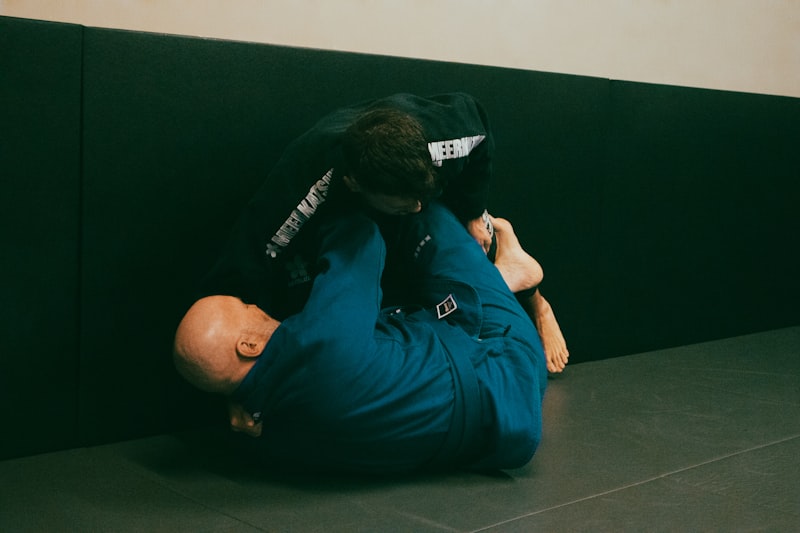
Repetition builds mastery. To develop effective closed guard sweeps techniques, you must train specific drills and combinations regularly. Start with static reps to perfect the motion, then add live resistance as you improve.
One valuable drill is the “hip movement loop.” For five minutes, practice hip bumping, shifting angles, and returning to closed guard. This keeps your hips reactive and primed for sweeps.
Next, cycle through your three favorite sweeps in sequence—hip bump, scissor, and pendulum. Drill chaining them together, reacting to your partner’s defense. For example, if an opponent resists the hip bump, immediately set up a scissor sweep using their posted arm.
Another effective approach uses “flow rolling.” Instead of going hard, you and a partner take turns sweeping from closed guard. Each successful sweep leads to a restart, keeping the pace fast and teaching how to flow between options.
Additionally, practice your sweeps both in gi and no-gi. Grips may change, but the concepts remain the same. This helps your closed guard work in IBJJF tournaments, submission grappling, or MMA.
Instructors also recommend “situational sparring.” Start every round in closed guard with the goal of sweeping or submitting within two minutes. This pressure builds real skill, improved timing, and confidence under fire.
Finally, always review your sparring footage or ask a training partner for feedback. Small corrections in grip, angle, or hip movement can make a big difference. Over time, your closed guard will become a dangerous asset for both attack and defense.
Conclusion
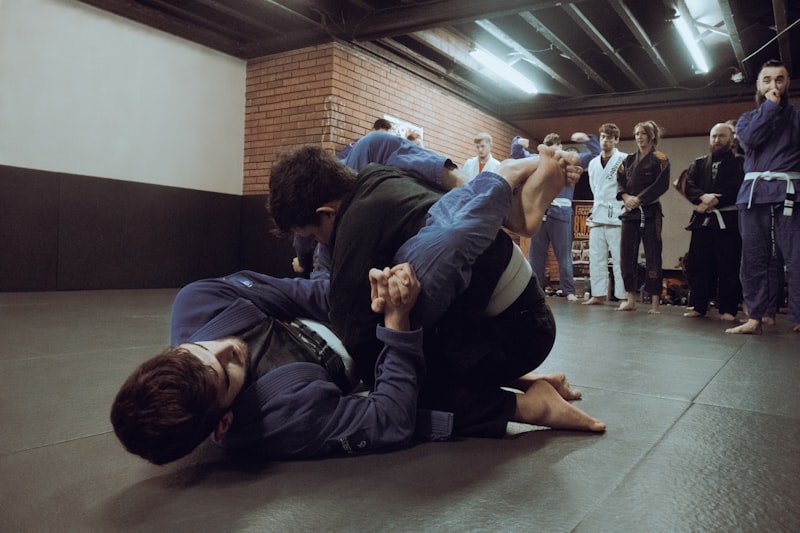
In summary, effective closed guard sweeps techniques remain vital for success in grappling in 2026. Mastering the basics—off-balancing, gripping, hip movement, and timing—sets you up to challenge any opponent. By drilling classic sweeps and learning to chain them together, you increase your odds of gaining top position in every match.
Practice, feedback, and situational training help turn closed guard into a consistent scoring weapon. Review the fundamentals, troubleshoot common mistakes, and adapt your sweeps to both gi and no-gi settings. For those dedicated to improving their guard game, consistent progress and success will follow.
Keep training smart, review new footage, and always look for chances to put your sweeps into action. With the right approach, the closed guard will stay a reliable tool at every level of competition.